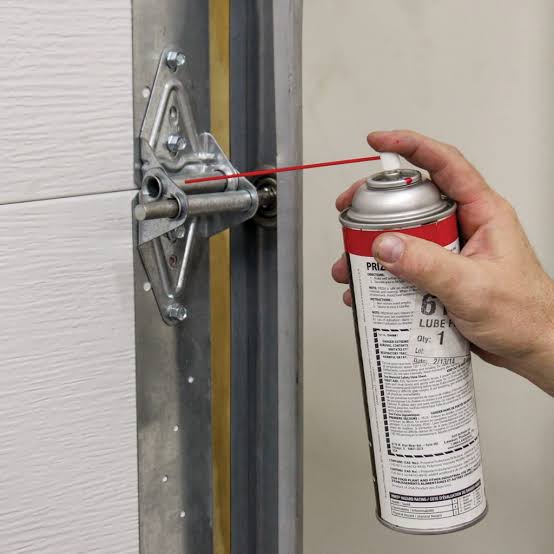
There is nothing quite as frustrating as being woken up early in the morning by a screeching noise that echoes through the neighborhood. If you are constantly asking yourself, “Why does my garage door squeak when opening and closing?”, you are certainly not alone. Let’s dive into the root causes of this annoying noise and explore simple, effective ways to get your door running smoothly and silently once again.
Why Does My Garage Door Squeak When Opening And Closing: The Root Causes
To solve the problem, we first need to understand the mechanics behind it. A garage door is a heavy, complex machine consisting of hundreds of moving metal parts. Over time, the natural friction between these components increases.
When metal rubs against metal without proper lubrication, it creates vibrations. These vibrations translate into the high-pitched squeaking or grinding noises you hear. According to the International Door Association (IDA), over 60% of premature garage door failures are directly linked to a lack of basic routine maintenance.
Furthermore, environmental factors play a massive role. Temperature fluctuations cause metal tracks to expand and contract, which can misalign the hardware and increase friction.
What Are the Most Common Culprits Behind the Noise?
Identifying the exact source of the squeak is the first step toward a permanent fix. Here are the primary suspects:
- Dry Hinges: The hinges connect the door panels. As the door bends along the curved track, these hinges undergo extreme stress.
- Worn-Out Rollers: Rollers guide the door up and down. If their bearings dry out, they will squeak loudly.
- Torsion Springs: The springs above the door bear the brunt of the door’s weight. A squeaking spring is often a sign that it is losing its temper or needs lubrication.
- Dirty Tracks: Dust, dirt, and debris in the tracks force the rollers to work much harder than necessary.
Text Infographic: Steel vs. Nylon Rollers
If your rollers are the culprit, you might need to replace them. Here is a quick comparison to help you choose:
| Feature | Steel Rollers | Nylon Rollers |
|---|---|---|
| Noise Level | Very Loud | Extremely Quiet |
| Durability | High (but prone to rust) | High (no rust, but can crack) |
| Maintenance | Requires frequent lubrication | Virtually maintenance-free |
| Best For | Heavy wooden doors | Standard residential doors |
Pro Tip: If you want a silent garage door, always opt for nylon rollers.
How Do You Fix a Squeaky Garage Door? (Step-by-Step)
Fixing a noisy door does not always require calling a professional. You can silence it yourself by following these concrete steps.
Step 1: Clean the Tracks Thoroughly Before applying any lubricants, you must remove the grit. Use a damp microfiber cloth to wipe down the metal tracks on both sides. Ensure you clear at least 12 inches of the track where the rollers make the most contact.
Step 2: Tighten All Loose Hardware The constant vibration of the door can loosen bolts over time. Grab a socket wrench and check the 10 to 12 bolts that secure the tracks to the wall framing. Tighten any that feel loose, but be careful not to overtighten and strip the threads.
Step 3: Lubricate the Moving Parts This is the most crucial step. Use a high-quality garage door lubricant.
- Apply exactly 3 to 4 drops of white lithium grease to the pivot points of every single hinge.
- Spray a light coat of silicone-based lubricant onto the roller bearings (avoid spraying the wheels themselves if they are nylon).
- Apply 2 short bursts of spray to the torsion spring (never the extension springs on the sides).
Step 4: Test the Door Operate the door up and down three full times. Listen carefully to see if the squeaking has subsided. If a specific area is still noisy, apply one more drop of lubricant to that exact spot.
What is the Best Lubricant to Use for Garage Doors?
Many homeowners make the mistake of grabbing a can of standard WD-40. However, WD-40 is primarily a solvent and water-displacer, not a long-term lubricant. It will actually strip away existing grease and make the squeaking worse in the long run.
According to the principles of tribology (the study of friction and lubricants), you need a product designed to reduce wear and withstand heavy loads.
The best options for your garage door are:
- White Lithium Grease: Excellent for metal-on-metal parts like hinges and springs.
- Silicone Spray: Perfect for nylon parts and general lubrication without attracting heavy dust.
- Garage Door Specific Sprays: These are usually a blend of both and are formulated specifically for overhead doors.
Certified garage door technician Mark Davis notes, “A squeak is simply the door begging for lubrication before a part snaps. Using the right grease can add up to five years to the lifespan of your door’s hardware.”
Frequently Asked Questions (FAQ)
1. Can I use WD-40 to stop my garage door from squeaking?
No, you should avoid using standard WD-40. It is a degreaser and will wash away the existing lubricants, leaving your metal parts completely dry and more prone to squeaking and rusting. Always use a dedicated silicone spray or white lithium grease.
2. How often should I lubricate my garage door?
For optimal performance and noise reduction, you should lubricate your garage door’s moving parts every six months. If you live in an area with extreme weather conditions or use your door multiple times a day, consider doing it every three to four months.
3. Is a squeaky garage door dangerous?
A squeak itself is not dangerous, but it is a warning sign. It indicates that parts are experiencing high friction and wearing down rapidly. If left unaddressed, a dry roller or hinge could snap while the door is in motion, potentially causing the door to fall or the spring to break violently.
4. Why is my garage door squeaking only on one side?
If the noise is isolated to one side, it usually means the track on that specific side is slightly misaligned, or the rollers on that side are more worn out than the others. Check the track alignment with a level and ensure all brackets on that side are tightly secured to the wall.
Conclusion
Understanding why does my garage door squeak when opening and closing is the first step toward a peaceful, quiet home. By identifying the root causes—like dry hinges, worn rollers, or dirty tracks—and applying the right lubricants every six months, you can easily solve the problem yourself. Regular maintenance not only silences the noise but also extends the life of your entire garage door system, saving you money on costly repairs.
Did you find these DIY tips helpful? Please share this article on your favorite social media platforms to help your friends and family silence their noisy garage doors too!
Leave a Reply