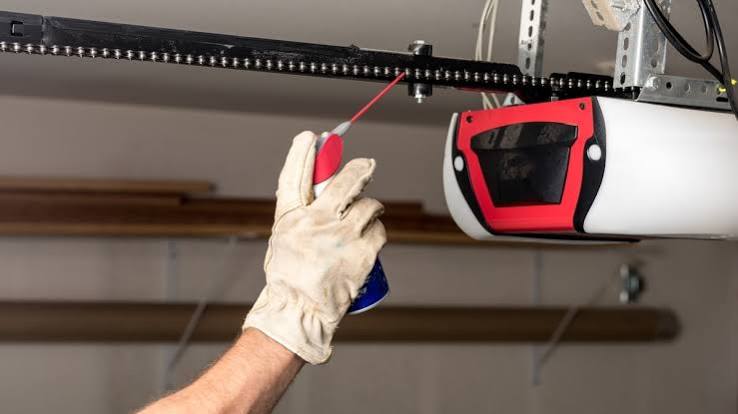
Is that annoying squeaking sound driving you crazy every time you pull into the driveway? If you are wondering what is the best lubricant for garage door tracks to fix this issue, you are in the right place. Let’s get your door gliding smoothly and quietly again!
What Is The Best Lubricant For Garage Door Tracks? (Top Picks)
When it comes to silencing a noisy door, choosing the right product is half the battle. The two industry gold standards are silicone spray and white lithium grease. Both are fantastic, but they serve slightly different purposes.
Here is a quick comparison to help you decide which one fits your specific needs.
Comparison Table: Silicone Spray vs. White Lithium Grease
| Feature | Silicone Spray | White Lithium Grease |
|---|---|---|
| Best For | Nylon rollers, hinges, and general parts | Metal rollers, heavy-duty metal-on-metal parts |
| Consistency | Thin liquid that dries quickly | Thick, heavy paste |
| Dirt Attraction | Very low (dries clean) | Moderate (can attract dust over time) |
| Weather Resistance | Excellent in extreme cold | Excellent in high heat and heavy loads |
Text Infographic: Pros vs. Cons
🟢 Silicone Spray
- Pros: Dries quickly, leaves no messy residue, perfect for freezing temperatures, and safe for rubber and plastic parts.
- Cons: Can drip if you over-apply it, and it may require slightly more frequent reapplication.
🔵 White Lithium Grease
- Pros: Heavy-duty protection, lasts much longer, and provides a thick cushion for heavy metal components.
- Cons: Can attract dirt and grime over time, messy to apply, and too thick for some small plastic parts.
Expert Tip: Many professional technicians recommend using silicone spray for the rollers and hinges, and white lithium grease specifically for the heavy metal springs.
What Lubricants Should You NEVER Use?
Before we get to the application, we need to talk about what to avoid. Using the wrong product can actually damage your door.
Never use standard WD-40. Standard WD-40 is a solvent and a water displacer, not a true lubricant. According to the general principles of a lubricant, the goal is to reduce friction between moving parts. Standard WD-40 will actually strip away your existing lubrication, leaving your metal parts completely dry and causing them to grind together.
Avoid motor oil and heavy cooking oils. Motor oil is incredibly messy, drips everywhere, and stains your concrete driveway. Furthermore, thick oils act like a magnet for dust, dirt, and debris, eventually creating a thick sludge that jams your tracks.
Signs Your Garage Door Needs Immediate Lubrication
How do you know it is time to grab the spray? Listen to your door.
- Squeaking or Screeching: This is the most obvious sign of metal-on-metal friction.
- Jerky Movements: If the door shudders or stutters when opening or closing, the rollers are likely sticking.
- Slow Operation: A well-lubricated door moves swiftly. If it feels sluggish, friction is slowing it down.
- Straining Motor: If your garage door opener sounds like it is working overtime, the lack of lubrication is making the motor work harder.
How to Lubricate Your Garage Door: Step-by-Step Guide
Applying lubricant is a simple DIY task. Follow these concrete steps to ensure you do it perfectly.
Step 1: Clean the Tracks and Rollers Before applying any new lubricant, you must remove old grime. Mix 1 cup of warm water with 2 tablespoons of mild dish soap. Dip a rag into the solution and wipe down the metal tracks and the rollers.
Step 2: Dry Everything Completely Use a dry microfiber cloth to wipe away all moisture. Never apply lubricant to wet surfaces, as it will trap the water and cause rust.
Step 3: Lubricate the Rollers and Hinges Take your silicone spray and apply 2 to 3 short bursts directly onto the metal shaft of each roller. Move to the hinges and apply 1 short burst to the pivot points. Wipe away any immediate drips.
Step 4: Lubricate the Springs For Torsion Springs (mounted above the door): Spray 3 to 4 even coats of white lithium grease along the entire length of the spring. For Extension Springs (mounted on the sides): Stretch the spring slightly by lowering the door halfway, and apply 2 to 3 short bursts of silicone spray.
Step 5: Test the Door Step back and run the door through 3 full open-and-close cycles. This distributes the lubricant evenly across all moving parts.
How Often Should You Lubricate Your Garage Door?
Consistency is key to a long-lasting garage door. According to the International Door Association (IDA), homeowners should lubricate their garage door moving parts every 6 to 12 months.
If you live in an area with extreme weather—like very harsh winters or highly humid summers—you should lean toward lubricating every 6 months. Regular maintenance prevents costly spring replacements and opener burnouts, saving you hundreds of dollars in the long run.
Frequently Asked Questions (FAQ)
1. Can I use standard WD-40 on my garage door?
No, you should never use standard WD-40 as a lubricant. It is a cleaner and solvent that will strip away existing grease, ultimately causing more friction and wear on your door’s moving parts. If you must use a WD-40 brand product, ensure it is their Specialist Silicone Spray or White Lithium Grease.
2. Should I lubricate the actual metal tracks?
Surprisingly, no! You should never lubricate the actual metal tracks where the rollers glide. The tracks are designed to operate dry. Lubricating the tracks can cause the rollers to slip, which may lead to the door derailing or the safety sensors malfunctioning. Only lubricate the rollers, hinges, and springs.
3. Is silicone spray better than white lithium grease?
Neither is strictly “better”; they just serve different purposes. Silicone spray is superior for nylon rollers, plastic parts, and cold weather because it dries clean. White lithium grease is better for heavy metal-on-metal components like torsion springs. Using both where appropriate is the ultimate solution.
4. How do I know if my garage door needs lubrication?
Your door will tell you! If you hear loud squeaking, grinding, or screeching noises, it needs lube. Additionally, if the door moves jerkily, operates slower than usual, or if the opener motor sounds like it is straining, it is time to apply a fresh coat of lubricant.
5. What is the best lubricant for garage door tracks in winter?
In freezing temperatures, silicone spray is the absolute best choice. Unlike thick greases that can harden and freeze in extreme cold, silicone spray remains fluid and flexible, ensuring your door operates smoothly even when it is 10°F (-12°C) outside.
Conclusion
Fixing a noisy garage door is one of the easiest and most rewarding home maintenance tasks you can do. By choosing the right products—like silicone spray for the rollers and white lithium grease for the springs—you can instantly eliminate annoying squeaks. More importantly, proper lubrication reduces strain on your opener and extends the lifespan of your entire garage door system.
Leave a Reply