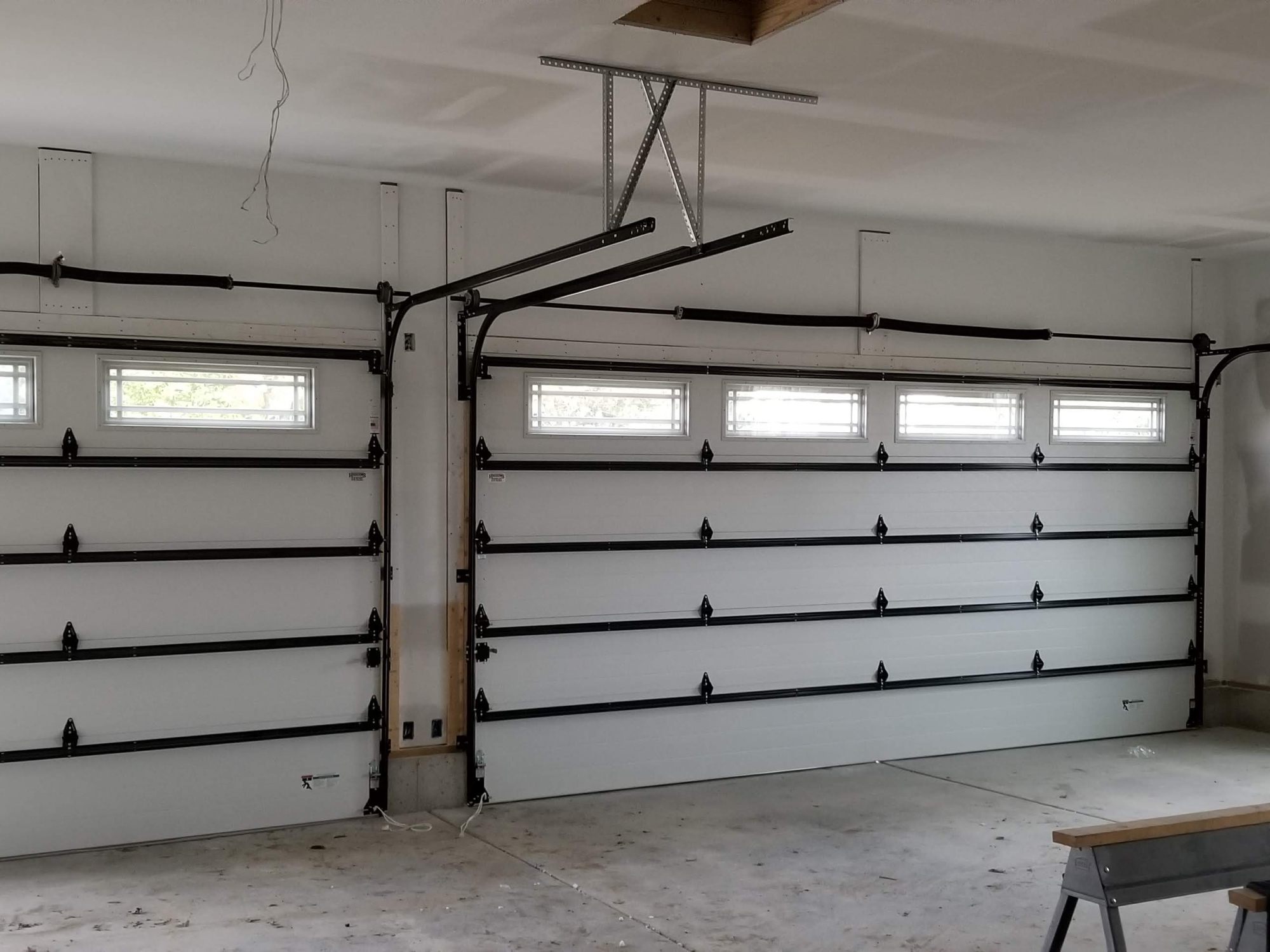
Have you ever pulled into your driveway, hit the remote, and winced as your garage door screeched, rattled, or banged its way open? It is more than just an annoyance; it can be embarrassing and even a sign of impending mechanical failure. If you are asking yourself, “Why does my garage door make so much noise,” you are not alone. This guide will help you identify the culprit and restore peace to your home.
Understanding the Sources of Garage Door Noise
Before we dive into fixes, it is crucial to understand that a garage door is a complex system of springs, cables, rollers, and tracks. When one component fails or wears out, the entire system suffers. According to industry experts, a well-maintained garage door should operate quietly. Excessive noise is rarely normal and usually indicates friction, misalignment, or wear.
Identifying the type of noise is the first step in diagnosis. Is it a high-pitched squeak? A low rumble? Or a sharp clanking sound? Each sound points to a different issue. By understanding these auditory clues, you can save time and money on repairs.
Common Causes: Why Is Your Garage Door So Loud?
1. Worn-Out or Metal Rollers
One of the most common reasons for a noisy garage door is the type of rollers installed. Older doors often come with steel rollers. While durable, steel-on-steel contact creates significant friction and noise. Over time, these rollers can also develop flat spots or rust, exacerbating the problem.
The Solution: Consider upgrading to nylon-coated steel rollers or pure nylon rollers. These materials absorb vibration and glide smoothly along the track. Most homeowners report a dramatic reduction in noise after this simple swap.
| Roller Type | Noise Level | Durability | Cost |
|---|---|---|---|
| Steel | High | High | Low |
| Nylon-Coated Steel | Medium | High | Medium |
| Pure Nylon | Low | Medium | Medium-High |
2. Lack of Lubrication
Friction is the enemy of silence. If your garage door hasn’t been lubricated in the last six months, it is likely screaming for attention. The moving parts—hinges, rollers, springs, and tracks—require regular lubrication to function smoothly.
However, not all lubricants are created equal. Avoid using WD-40 as a long-term lubricant; it is a solvent that attracts dust and dirt, which can eventually gum up the works. Instead, use a silicone-based spray or a lithium-based grease. These products are designed to withstand temperature fluctuations and provide long-lasting protection without attracting debris.
3. Loose Hardware
Your garage door vibrates every time it opens and closes. Over years of operation, this constant movement can loosen nuts, bolts, and screws. Loose hardware doesn’t just create a rattling noise; it can lead to misalignment and even safety hazards.
Step-by-Step Check:
- Safety First: Disconnect the opener by pulling the release cord.
- Inspect: Walk around the door and check all visible bolts on the hinges, tracks, and bracket mounts.
- Tighten: Use a socket wrench to tighten any loose fasteners. Be careful not to overtighten, especially on the track brackets, as this can distort the metal.
- Test: Reconnect the opener and test the door.
4. Misaligned Tracks
If your garage door tracks are bent or misaligned, the rollers will struggle to move through them. This creates a grinding or scraping sound. You might also notice the door jerking or sticking at certain points.
To check for alignment, look at the gap between the roller and the track. It should be consistent. If you see significant gaps or if the track looks wavy, it may need professional adjustment. Attempting to bend heavy-gauge steel tracks back into place can be dangerous and is often best left to certified technicians.
5. The Opener Itself
Sometimes, the noise isn’t coming from the door at all, but from the opener motor. Chain-drive openers are notoriously loud because of the metal chain moving against metal gears. If you have an older chain-drive model, this might be the primary source of your noise pollution.
Upgrade Option: If your opener is over 10 years old, consider replacing it with a belt-drive or direct-drive model. Belt-drive openers use a rubber belt, which operates almost silently. They are slightly more expensive but offer a significant improvement in noise reduction and smoothness. For more technical details on opener mechanisms, you can refer to general mechanical principles on Wikipedia.
How to Silence Your Garage Door: A Action Plan
Now that you know the potential causes, here is a prioritized action plan to quiet your garage door.
Step 1: Tighten All Hardware
Start with the easiest fix. Grab your wrench and tighten every bolt and screw on the door sections, hinges, and track brackets. This alone can eliminate rattling noises.
Step 2: Lubricate Moving Parts
Apply a silicone-based lubricant to:
- Roller bearings (if accessible)
- Hinge pins
- Spring coils (lightly)
- Lock assembly
Note: Do not lubricate the plastic parts of nylon rollers or the tracks themselves, as this can attract dirt.
Step 3: Inspect and Replace Rollers
Look at your rollers. If they are steel and worn, replace them with nylon-coated ones. This is a moderate DIY project. Ensure you secure the door in the open position before removing any rollers to prevent the door from falling.
Step 4: Check Track Alignment
Visually inspect the tracks for bends or gaps. If minor, you might be able to gently tap them back into place with a rubber mallet. If severe, call a professional.
Step 5: Evaluate the Opener
If the door itself is quiet but the motor is loud, consider upgrading to a belt-drive opener. Look for models with “soft start/stop” features, which further reduce noise and wear.
FAQ Section
Q1: Why does my garage door make a loud popping noise?
A loud popping noise often indicates a broken torsion spring. Torsion springs are under extreme tension and help lift the heavy door. If one breaks, it releases energy with a bang. This is a dangerous situation. Do not attempt to repair a broken spring yourself. Contact a professional garage door technician immediately.
Q2: Is it normal for a new garage door to be noisy?
No, a new garage door should operate quietly. If your new door is noisy, it may be due to improper installation, lack of lubrication from the factory, or defective rollers. Contact the installer or manufacturer to address the issue under warranty.
Q3: Can weather affect garage door noise?
Yes, temperature changes can cause metal components to expand and contract, leading to temporary creaking or groaning sounds. Additionally, cold weather can thicken lubricants, making them less effective. Regular maintenance with temperature-resistant lubricants can mitigate this.
Q4: How often should I lubricate my garage door?
It is recommended to lubricate your garage door’s moving parts at least twice a year, ideally in the spring and fall. This prevents rust, reduces wear, and keeps the operation quiet.
Q5: Why does my garage door shake when it closes?
Shaking or jerking during closure can be caused by loose hardware, worn rollers, or an imbalance in the spring system. It could also indicate that the travel limits on the opener need adjustment. Start by tightening hardware and inspecting rollers. If the problem persists, have a professional check the spring balance.
Q6: Will insulating my garage door reduce noise?
Insulating your garage door can help dampen external noise and improve energy efficiency, but it won’t significantly reduce the mechanical noise of the door operating. However, insulated doors are often heavier and built with sturdier materials, which might vibrate less than thin, uninsulated panels.
Conclusion
Dealing with a noisy garage door is frustrating, but it is rarely a mystery. By asking “Why does my garage door make so much noise,” you have taken the first step toward a quieter home. In most cases, the solution involves simple maintenance tasks like tightening hardware, lubricating moving parts, or upgrading worn rollers.
Remember, a quiet garage door is not just about comfort; it is a sign of a healthy, well-maintained system. Regular maintenance extends the life of your door and prevents costly repairs down the road. If you have tried these steps and the noise persists, do not hesitate to call a professional. Safety should always be your top priority.
Did you find this guide helpful? Share it with your neighbors or friends who might be struggling with their own noisy garage doors. Let’s keep our communities quiet and our doors running smoothly!
Leave a Reply