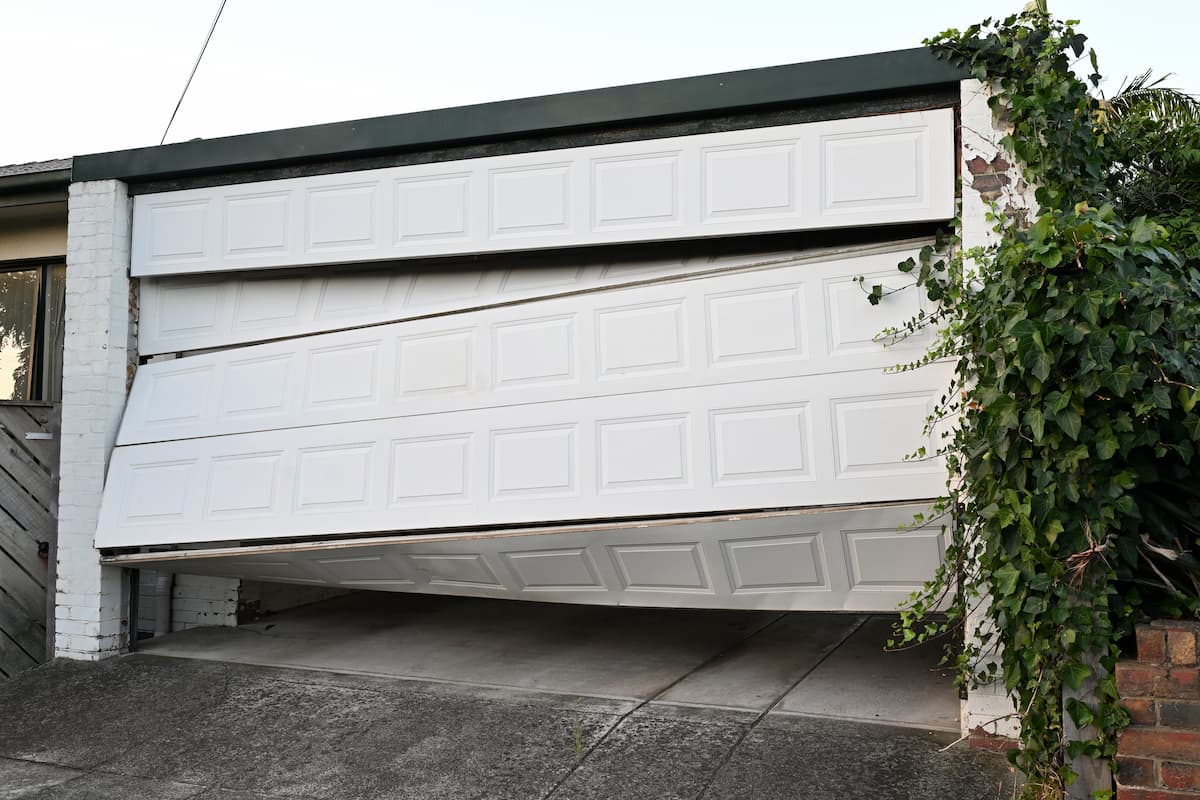
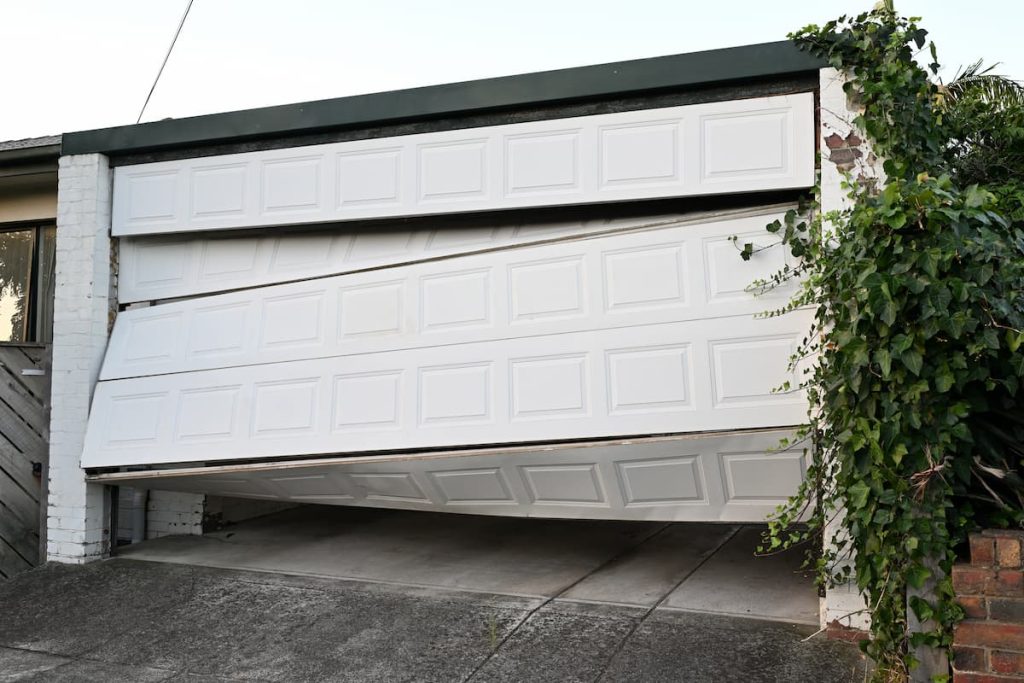
Accidentally backing into your own garage door is a highly stressful and expensive mistake, but please do not panic. If you are wondering exactly what to do when you hit your garage door, this step-by-step guide will help you assess the damage, secure your home, and get it fixed quickly.
What To Do When You Hit Your Garage Door: Immediate Steps
The first few minutes after a collision are crucial for your safety and your wallet. Here is the exact protocol you need to follow immediately.
1. Stop and Ensure Total Safety Do not attempt to open or close the door immediately. A impacted door might have bent tracks or snapped cables. Operating a damaged garage door can cause the spring to snap, which is incredibly dangerous. Keep your vehicle parked exactly where it is until you have visually inspected the area.
2. Document the Damage Thoroughly Before moving your car, pull out your smartphone. Take clear, well-lit photos of the dent on the door, the position of your vehicle, and any surrounding damage. This visual evidence is mandatory if you decide to file an insurance claim later.
3. Secure the Garage Manually If the door is jammed or hanging unevenly, do not use the automatic opener. The motor will strain and potentially burn out. Instead, engage the manual release cord (usually a red handle hanging from the rail) and carefully slide the door shut by hand. If it is stuck, simply lock your main house doors leading to the garage.
How Do You Assess the Structural Damage?
Once the area is safe, you need to determine the severity of the impact. Not every collision requires a full door replacement.
Inspect the following components closely:
- The Panels: Are they deeply dented, cracked, or completely caved in?
- The Tracks: Look at the metal rails on both sides. Are they bent or separated from the wall?
- The Rollers and Hinges: Check if the small wheels are cracked or if the metal hinges connecting the panels are twisted.
To help you decide on the best course of action, here is a quick Pros vs. Cons text infographic comparing your two main options:
| Feature | Repairing the Existing Panel | Replacing the Entire Panel |
|---|---|---|
| Cost | Low ($100 – $300) | High ($250 – $800+) |
| Time Required | 1 to 3 hours for DIY | 2 to 4 hours for a pro |
| Aesthetics | Might leave visible marks | Flawless, factory-like finish |
| Structural Integrity | Restores 80% of strength | Restores 100% of strength |
Can You Fix Minor Dents on a Garage Door Yourself?
If the impact only caused a shallow dent and the door still operates smoothly, you might be able to fix it yourself. Here is a concrete, step-by-step tutorial for minor metal or aluminum dents.
Step 1: Clean the Area Wash the dented area with soap and water. Dry it completely with a microfiber cloth. Any dirt will interfere with the repair process.
Step 2: The Plunger Method (For Shallow Dents) Take a standard rubber cup plunger (do not use a flange plunger). Wet the rim of the plunger with a few drops of water to create a seal. Press it firmly onto the center of the dent and pull straight outward with steady force. Repeat this 3 to 4 times until the metal pops back into place.
Step 3: The Heat Method (For Stubborn Dents) If the plunger fails, use a heat gun.
- Set your heat gun to exactly 250°F (121°C).
- Hold the nozzle 6 inches (15 cm) away from the dented metal.
- Move the heat gun in a circular motion for exactly 45 seconds.
- Warning: Do not exceed 60 seconds, or you risk melting the paint finish. Once heated, push the dent out from the inside using a wooden block and a rubber mallet.
Should You File an Insurance Claim for the Damage?
Deciding whether to involve your insurance provider is a common dilemma. To understand your coverage, it helps to review how standard home insurance policies classify sudden, accidental physical damage to structures on your property.
Here is the golden rule: Only file a claim if the repair cost significantly exceeds your deductible.
According to industry experts, the average home insurance deductible is around $1,000. If replacing a single garage door panel costs $600, paying out-of-pocket is much smarter. Filing a small claim can actually increase your future premiums by up to 15%. However, if the entire door is crushed and the replacement costs $3,500, filing a claim is absolutely the right move.
How Much Does It Cost to Repair a Hit Garage Door?
Understanding the financial impact helps you budget effectively. Here is a breakdown of average out-of-pocket costs in the US:
- Minor Dent Repair (DIY): $20 – $50 (Tools and materials)
- Professional Dent/Paint Repair: $150 – $350
- Single Panel Replacement: $250 – $800 (Depending on wood, steel, or aluminum)
- Bent Track Repair: $150 – $300
- Full Door Replacement (Severe Damage): $800 – $2,500+
Pro Tip: If you need to replace a single panel on an older door, finding an exact color and style match might be impossible. In such cases, replacing the entire door might actually boost your home’s curb appeal and energy efficiency.
Frequently Asked Questions
1. Will my home insurance cover a garage door I backed into?
Yes, most standard homeowners insurance policies cover “sudden and accidental” damage, which includes backing your car into the door. However, the final payout will be subject to your deductible, and it will only cover the structural damage, not the damage to your vehicle (which falls under your auto insurance).
2. Can a dented garage door still open safely?
It depends on the severity of the dent. If the dent is purely cosmetic and the tracks are perfectly aligned, it is generally safe to operate. However, if the dent has twisted the hinges or bent the track, operating the door can cause the cables to derail or the springs to snap. When in doubt, keep it closed and call a professional.
3. How long does it take to replace a single garage door panel?
A professional technician can typically remove the damaged panel and install a new one in about 2 to 3 hours. If you are attempting a DIY panel replacement and are unfamiliar with the high-tension springs, it can take a beginner anywhere from 4 to 6 hours.
4. Does hitting the garage door void the manufacturer’s warranty?
No, accidentally hitting the door with your vehicle is considered “accidental damage” or “user error,” which does not void the warranty. The warranty will still cover manufacturing defects on the undamaged panels, the motor, and the springs, but it will not cover the cost of fixing the dent you caused.
5. Can I just replace one panel if the rest of the door is old?
Technically, yes, you can unscrew and replace just one panel. However, if your door is over 10 years old, the new panel will likely look slightly different due to sun fading on the old panels. Furthermore, the structural integrity of the older panels might not match the new one, potentially causing balance issues.
Conclusion
Knowing what to do when you hit your garage door can save you from unnecessary stress, costly mistakes, and safety hazards. By staying calm, documenting the damage, accurately assessing the structural impact, and weighing your repair options against your insurance deductible, you can resolve the situation efficiently. Remember, safety always comes first—never force a jammed door!
Found this guide helpful and want to save a friend from a similar panic? Please share this article on your social media or send it directly to a friend who needs a quick garage door rescue!
Leave a Reply