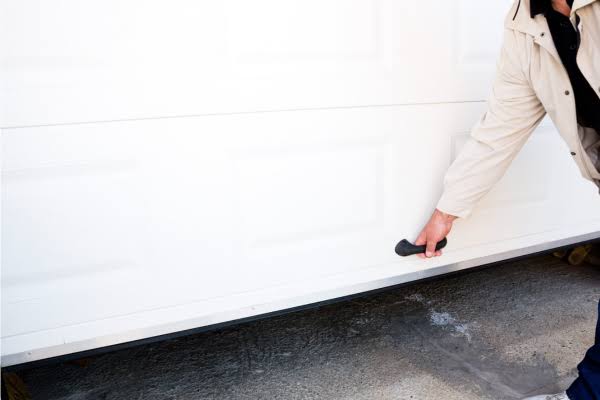
Have you ever backed out of your garage only to hear that sickening crunch? Maybe a stray basketball hit the wrong spot, or a minor fender bender left a dent that ruins the curb appeal of your home. It’s frustrating, but here is the good news: you rarely need to replace the entire door. If you are asking yourself, “Where can I buy a single garage door panel,” you are on the right track to saving hundreds, if not thousands, of dollars.
Replacing just the damaged section is a smart, cost-effective solution. However, it isn’t as simple as walking into a big-box store and picking one off the shelf. In this guide, we will walk you through exactly where to find replacements, how to ensure a perfect match, and whether you should tackle this job yourself or call a pro.
Why Is It Hard to Find a Single Garage Door Panel?
Before we dive into where to buy, it is crucial to understand why this specific part is elusive. Unlike standard lumber or plumbing fixtures, garage doors are highly customized systems.
Manufacturers produce doors in specific styles, materials (steel, aluminum, wood, composite), and insulation ratings. Furthermore, designs change frequently. A model bought five years ago may no longer be in production. This lack of standardization means you cannot simply buy a “universal” panel. You must find a match for your specific make and model.
According to industry standards, garage doors are built in sections that interlock. If one section is compromised, the structural integrity of the whole system can be affected if not replaced correctly. This is why precision in sourcing is vital. For more background on how these systems are engineered, you can review general construction principles on Wikipedia’s Garage Door page.
Top Places to Buy a Replacement Panel
So, where can you actually find this elusive part? Here are the four most reliable sources, ranked by likelihood of success.
1. The Original Manufacturer (Best Option)
Your first stop should always be the company that made your door. Major brands like Clopay, Amarr, Overhead Door, and Raynor keep archives of their models.
- How to do it: Locate the label on the inside of your garage door. It usually contains the model number, serial number, and date of manufacture.
- Pros: Guaranteed color and style match; exact fit.
- Cons: May be expensive; older models might be discontinued.
2. Local Authorized Dealers
Most major manufacturers do not sell directly to consumers. They work through a network of authorized dealers and installers.
- Action Step: Search for “[Brand Name] dealer near me.” Call them with your model number. Even if they don’t have the panel in stock, they can often order it from the factory warehouse.
- Pros: Professional advice; access to proprietary hardware.
- Cons: Some dealers may refuse to sell parts without hiring them for installation.
3. Specialized Online Retailers
If local dealers fail, specialized online garage door parts retailers are your next best bet. Websites like GarageDoorNation.com, StarrySkyOverheadDoor.com, or Amazon Business often carry common panels.
- Warning: Be extremely careful with color matching. Screen displays vary, and “White” from one brand may look cream-colored next to another.
- Pros: Wider selection; competitive pricing; home delivery.
- Cons: Shipping costs for large, heavy items can be high; return policies are strict.
4. Salvage Yards and Habitat for Humanity ReStore
For older or discontinued doors, salvage yards can be a goldmine.
- Strategy: Bring your model number and a photo of the panel. You may need to buy a whole used door to harvest the one good panel you need.
- Pros: Extremely cheap; eco-friendly.
- Cons: Time-consuming; no warranty; potential for hidden damage (rust/dents).
How to Identify Your Garage Door Model
You cannot buy the correct panel without the right data. Guessing leads to wasted money and frustration. Follow this checklist before making any calls.
- Find the Label: Look on the interior side of the door, typically on the back of a section or near the hinges.
- Record Key Data: Write down the Model Number, Serial Number, and Section Width.
- Measure the Panel: Use a tape measure to get the exact width and height of the visible face of the panel. Note the thickness (usually 1.5 to 2 inches).
- Identify the Style: Is it raised panel? Flat? Carriage house? Take clear photos of the front and back.
- Check the Color Code: Many steel doors have a paint code stamped on the label or on the bottom edge of the door.
Pro Tip: If the label is missing or faded, take high-resolution photos of the hinge holes and the profile of the panel edges. Experts can often identify the manufacturer by the shape of the interlocking joints.
DIY vs. Professional Installation: What Should You Choose?
Once you have found where to buy a single garage door panel, you face the next decision: installation.
| Feature | DIY Installation | Professional Installation |
|---|---|---|
| Cost | $150 – $400 (Part only) | $400 – $800+ (Part + Labor) |
| Time | 4–8 Hours | 2–3 Hours |
| Difficulty | High (Requires precision) | Low (Handled by experts) |
| Risk | Potential injury; misalignment | Minimal; insured work |
| Tools Needed | Drills, wrenches, clamps, ladder | Provided by pro |
When to DIY
If you are handy, have a helper, and the door is a standard steel model, DIY is feasible. However, you must be comfortable working with heavy objects at height.
When to Hire a Pro
- If your door uses torsion springs (the heavy spring above the door). These are under extreme tension and can cause severe injury if mishandled.
- If the door is wood or custom-made.
- If the tracks are bent or damaged.
Step-by-Step Guide to Replacing a Panel
If you decide to proceed with the replacement yourself, follow these concrete steps. Safety is paramount.
- Disconnect the Opener: Pull the red emergency release cord to disconnect the door from the automatic opener.
- Secure the Door: Close the door completely. Clamp the tracks on both sides just below the bottom roller of the panel above the one you are replacing. This prevents the door from sliding up unexpectedly.
- Remove Hardware: Unscrew the hinges and rollers attached to the damaged panel. Keep all screws and bolts organized.
- Extract the Damaged Panel: Carefully slide the damaged panel out. You may need to wiggle it to disengage the interlocking lips. Note: This requires two people.
- Insert the New Panel: Slide the new panel into place. Ensure the interlocking edges seat perfectly with the panels above and below.
- Reattach Hardware: Install the rollers and hinges. Tighten all bolts securely.
- Test Movement: Remove the clamps. Manually lift the door halfway and let go. It should stay in place. If it slides, the balance is off, and you need a professional adjustment.
- Reconnect Opener: Plug the opener back in and test the automatic cycle.
Frequently Asked Questions (FAQ)
1. Can I buy a single garage door panel at Home Depot or Lowe’s?
Generally, no. Big-box stores sell complete garage door kits or generic repair hardware (rollers, springs), but they do not stock individual replacement panels for specific branded doors. You must go through specialized dealers or manufacturers.
2. How much does a single garage door panel cost?
The cost varies widely based on material and insulation. A basic non-insulated steel panel may cost $150–$250. Insulated or wood-grain finished panels can range from $300 to $600. Always factor in shipping costs if buying online.
3. Will a new panel match the old ones perfectly?
If the door is less than five years old and you buy from the original manufacturer, the match should be nearly perfect. However, sun exposure causes fading over time. The new panel may look slightly brighter than the weathered older panels. Painting the entire door after replacement is often recommended for a uniform look.
4. Is it worth replacing just one panel?
Yes, if the rest of the door is in good condition. Replacing a single panel costs roughly 20–30% of the price of a new door. However, if the door is old, noisy, or lacks insulation, investing in a full replacement might offer better long-term value and energy efficiency.
5. What if my garage door model is discontinued?
If the model is discontinued, try contacting local salvage yards or searching eBay for used parts. Alternatively, some companies offer “retrofit” panels that can be adapted to fit older systems, though this usually requires professional installation.
Conclusion
Finding an answer to “Where can I buy a single garage door panel” requires patience and precise information, but it is entirely possible. By identifying your model number and reaching out to authorized dealers or specialized online retailers, you can restore your garage’s appearance without the expense of a full replacement.
Remember, safety comes first. If you are unsure about handling the heavy components or dealing with spring tension, do not hesitate to hire a professional. The peace of mind is worth the extra cost.
Found this guide helpful? Share it with your neighbors on Facebook or Pinterest—they might save their budget on their next garage mishap too!
Leave a Reply