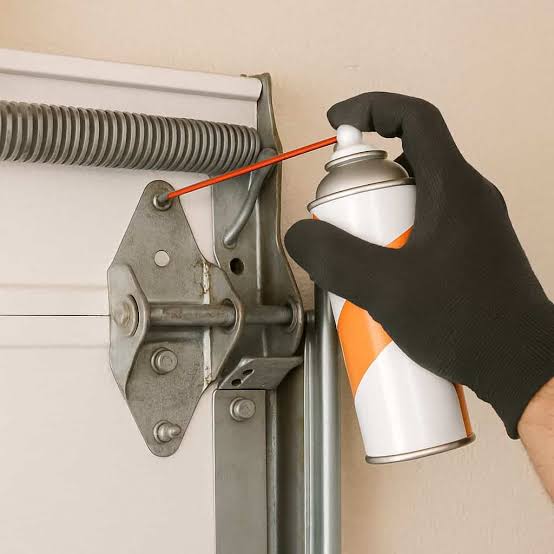
Is your garage door squeaking, grinding, or sticking every time you open it? You’re not alone—millions of homeowners face this frustrating issue. Knowing what should you use to lubricate a garage door can save you from costly repairs and extend the lifespan of your system. In this guide, we’ll break down the best lubricants, how to apply them correctly, and common mistakes to avoid.
Why Lubricating Your Garage Door Matters
Before diving into specific products, let’s understand why lubrication is critical. A garage door system consists of multiple moving parts: rollers, hinges, springs, tracks, and the opener chain or screw. Without proper lubrication, these components experience increased friction, leading to:
- Premature wear and tear
- Noisy operation
- Higher energy consumption by the opener motor
- Potential safety hazards if parts seize up
According to the International Door Association (IDA), regular maintenance—including lubrication—can extend a garage door’s lifespan by up to 50%. That’s a significant return on a minimal investment.
Best Lubricants for Garage Doors: A Detailed Comparison
Not all lubricants are created equal. Using the wrong type can attract dirt, gum up mechanisms, or even damage components. Here’s a breakdown of the most recommended options:
1. Silicone-Based Spray Lubricant
Best for: Rollers, hinges, and tracks
Silicone spray is widely regarded as the gold standard for garage door lubrication. It offers several advantages:
- Non-sticky formula: Doesn’t attract dust or debris
- Water-resistant: Protects against rust and corrosion
- Wide temperature range: Performs well in both extreme heat and cold
- Easy application: Comes with a precision nozzle for targeted spraying
Expert Tip: Look for silicone sprays labeled specifically for garage doors or automotive use. Avoid general-purpose silicone sprays that may contain additives unsuitable for metal-on-metal contact.
2. White Lithium Grease
Best for: Springs, hinge pins, and high-friction points
White lithium grease is a thicker, long-lasting option ideal for components under heavy load:
- Excellent adhesion: Stays in place even under pressure
- Long-lasting protection: Requires less frequent reapplication
- Corrosion resistance: Forms a protective barrier against moisture
However, it can attract more dirt than silicone spray, so use it sparingly and wipe away excess.
3. Teflon-Based (PTFE) Lubricant
Best for: Tracks and roller bearings
Teflon lubricants provide a dry, slick coating that reduces friction without attracting grime:
- Clean application: Leaves no oily residue
- Durability: Withstands repeated movement
- Compatibility: Safe for plastic and rubber components
Lubricants to Avoid
| Lubricant Type | Why to Avoid |
|---|---|
| WD-40 (standard formula) | It’s a penetrant, not a lubricant; evaporates quickly and offers no long-term protection |
| Motor oil or household oil | Attracts dirt, becomes gummy, and can damage rubber seals |
| Graphite powder | Messy, difficult to apply evenly, and can stain surrounding areas |
| Vegetable-based oils | Rancid over time, attracts pests, and provides poor lubrication |
For more information on lubricant chemistry and properties, you can refer to Wikipedia’s article on lubricants.
Step-by-Step Guide: How to Lubricate Your Garage Door Properly
Now that you know what should you use to lubricate a garage door, let’s walk through the application process. Follow these steps for optimal results:
Tools and Materials Needed
- Silicone spray or white lithium grease
- Clean rag or microfiber cloth
- Ladder (if needed for high tracks)
- Safety glasses and gloves
Step 1: Clean the Components
Before applying any lubricant, remove built-up dirt, grime, and old lubricant residue. Use a clean rag to wipe down:
- Roller bearings
- Hinge joints
- Track surfaces (inside and out)
- Spring coils (exercise caution—springs are under high tension)
Note: If components are heavily corroded, consider using a wire brush gently. For severe rust, consult a professional.
Step 2: Apply Lubricant to Rollers
Focus on the roller bearings where the wheel meets the axle:
- Hold the silicone spray nozzle about 2–3 inches from the bearing
- Spray a short burst (1–2 seconds) directly into the bearing
- Rotate the roller manually to distribute the lubricant evenly
- Wipe away any excess spray
Repeat for all rollers (typically 8–16 depending on door size).
Step 3: Lubricate the Hinges
Garage doors have multiple hinge sections connecting each panel:
- Identify all hinge pivot points
- Apply a small amount of white lithium grease or silicone spray to each pin
- Open and close the door slowly to work the lubricant into the joints
- Wipe away drips or overspray
Step 4: Treat the Tracks
The metal tracks guide the rollers and must remain smooth:
- Lightly spray silicone lubricant along the inside surface of both vertical and horizontal tracks
- Use a clean rag to spread the lubricant evenly
- Avoid over-application—excess lubricant can attract debris
Step 5: Lubricate the Springs
Caution: Garage door springs are under extreme tension. Never attempt to adjust or repair them yourself.
For lubrication only:
- Apply a thin coat of white lithium grease to the spring coils
- Use a brush or rag for precise application
- Avoid getting lubricant on cables or drums
Step 6: Service the Opener Mechanism
If you have a chain-drive opener:
- Apply white lithium grease to the chain links
- For screw-drive openers, use a specialized screw-drive lubricant
Belt-drive openers typically require no lubrication.
Step 7: Test the Door
Operate the door 3–5 times to distribute the lubricant fully. Listen for reduced noise and smoother movement. If squeaking persists, recheck all lubricated points.
How Often Should You Lubricate Your Garage Door?
Frequency depends on usage and environmental conditions:
- Standard residential use: Every 6 months
- High-traffic or commercial use: Every 3–4 months
- Harsh climates (extreme heat, cold, or humidity): Every 4–6 months
Set a calendar reminder to stay consistent. Regular maintenance prevents 80% of common garage door problems, according to industry surveys.
Common Mistakes to Avoid
Even with the right lubricant, improper application can cause issues:
- Over-lubricating: Excess lubricant attracts dirt and creates a gummy mess
- Using the wrong product: WD-40 or motor oil will worsen the problem
- Ignoring cleaning: Applying lubricant over dirt accelerates wear
- Neglecting safety: Always disconnect the opener before working on springs or cables
FAQ Section
Q1: Can I use WD-40 to lubricate my garage door?
A: No. Standard WD-40 is a water-displacing penetrant, not a true lubricant. It evaporates quickly and provides no lasting protection. Use silicone spray or white lithium grease instead.
Q2: Is it safe to lubricate garage door springs myself?
A: Light lubrication of spring coils is generally safe if you avoid adjusting tension. However, never attempt to repair, replace, or adjust springs yourself—they store dangerous amounts of energy. Call a professional for spring-related issues.
Q3: What happens if I don’t lubricate my garage door?
A: Unlubricated components experience increased friction, leading to premature wear, noisy operation, higher energy costs, and potential failure. Regular lubrication extends lifespan and ensures smooth, quiet performance.
Q4: Can I use cooking oil or vegetable oil as a temporary solution?
A: Absolutely not. Vegetable oils become rancid, attract pests, gum up mechanisms, and offer poor lubrication. Always use products designed for mechanical applications.
Q5: How do I know if my garage door needs lubrication?
A: Signs include squeaking or grinding noises, sluggish movement, visible rust on components, or jerky operation. If it’s been more than six months since your last maintenance, it’s time to lubricate.
Q6: Will lubricating my garage door void the warranty?
A: No. Most manufacturers recommend regular lubrication as part of routine maintenance. Check your warranty documentation for specific guidelines, but proper lubrication with approved products typically supports warranty compliance.
Conclusion
Knowing what should you use to lubricate a garage door is essential for maintaining a smooth, quiet, and long-lasting system. Silicone-based sprays and white lithium grease are your best bets, offering superior protection without attracting dirt. By following the step-by-step guide above and lubricating every six months, you’ll prevent costly repairs and enjoy hassle-free operation.
Don’t wait for that annoying squeak to drive you crazy. Grab your silicone spray, spend 15 minutes on maintenance, and give your garage door the care it deserves. Share this guide with friends and family who might be struggling with noisy garage doors—help them avoid expensive service calls!
Have questions or tips of your own? Drop a comment below or share this article on social media to spread the knowledge. Your garage door (and your neighbors) will thank you.
Leave a Reply