Is your garage door squeaking, sticking, or making annoying grinding noises? You’re not alone. Many homeowners reach for the nearest can of lubricant—often WD-40—to silence the noise. But before you spray, you need to ask: can you use WD-40 on garage door rollers? The short answer is no, and using it incorrectly can lead to costly repairs down the line. Let’s explore why this common household product isn’t the right choice and what you should use instead.
Why WD-40 Is Not Suitable for Garage Door Rollers
Many people mistakenly believe that WD-40 is a lubricant. In reality, it is primarily a water displacer and solvent. While it has some light lubricating properties, its main function is to clean, degrease, and protect metal from rust by pushing out moisture.
The Problem with Using WD-40 on Rollers
When you spray WD-40 on your garage door rollers, hinges, or tracks, it initially feels smooth. However, because it is a solvent, it strips away existing grease and lubrication. Once the WD-40 evaporates—which happens quickly—it leaves the metal parts dry and unprotected. This leads to:
- Increased Friction: Without proper lubrication, metal-on-metal contact increases wear and tear.
- Dust Accumulation: WD-40 can leave a sticky residue that attracts dust, dirt, and debris. This grime builds up in the rollers and bearings, causing them to jam or wear out faster.
- Short-Term Fix: The silence is temporary. Within days or weeks, the squeaking returns, often worse than before because the original protective grease has been removed.
According to most garage door manufacturers, using petroleum-based solvents like standard WD-40 on nylon or steel rollers voids warranties and accelerates component failure. For more detailed information on the chemical composition and intended uses of WD-40, you can refer to its Wikipedia page.
What Should You Use Instead?
If WD-40 is off the table, what is the correct lubricant for your garage door system? The industry standard recommends two specific types of lubricants:
1. Silicone-Based Lubricant
Silicone spray is one of the best options for garage door rollers, especially if you have nylon rollers. It is:
- Non-sticky: It does not attract dust or dirt.
- Temperature Resistant: It performs well in both extreme heat and cold.
- Safe for Plastic: It won’t degrade nylon or plastic components.
2. Lithium-Based Grease (White Lithium Grease)
For steel rollers and metal hinges, white lithium grease is highly recommended. It is:
- Long-Lasting: It adheres well to metal surfaces and doesn’t drip easily.
- Heavy-Duty: It provides a thick barrier against friction and corrosion.
- Water-Resistant: It protects against moisture without washing away easily.
| Feature | WD-40 (Standard) | Silicone Spray | White Lithium Grease |
|---|---|---|---|
| Primary Function | Solvent/Cleaner | Lubricant | Heavy-Duty Lubricant |
| Best For | Cleaning rust/debris | Nylon Rollers/Hinges | Steel Rollers/Metal Parts |
| Dust Attraction | High (after evaporation) | Low | Low |
| Longevity | Very Short | Medium | Long |
| Safety on Plastic | Risky | Safe | Generally Safe |
Step-by-Step Guide: How to Properly Lubricate Garage Door Rollers
Now that you know what to use, let’s walk through the process of lubricating your garage door correctly. This simple maintenance task can extend the life of your door by years.
Tools You Will Need:
- A sturdy ladder
- Clean rags or paper towels
- Silicone spray or white lithium grease
- Safety glasses (optional but recommended)
Step 1: Close the Garage Door
Ensure the door is fully closed. This allows you to access all the rollers, hinges, and springs safely. Disconnect the opener if necessary for safety, though it’s usually not required for simple lubrication.
Step 2: Clean the Components
Before applying new lubricant, wipe down the rollers, hinges, and tracks with a clean rag. Remove any old grease, dirt, or debris. If there is significant grime, you can use a small amount of WD-40 only as a cleaner at this stage, but make sure to wipe it completely dry before proceeding.
Step 3: Apply Lubricant to Rollers
Focus on the bearings of the rollers, not just the wheel itself.
- For nylon rollers: Spray a small amount of silicone lubricant into the bearing area. Rotate the roller manually to distribute the lubricant evenly.
- For steel rollers: Apply a thin layer of white lithium grease to the bearing. Avoid over-greasing, as excess can drip onto the floor.
Step 4: Lubricate Hinges and Springs
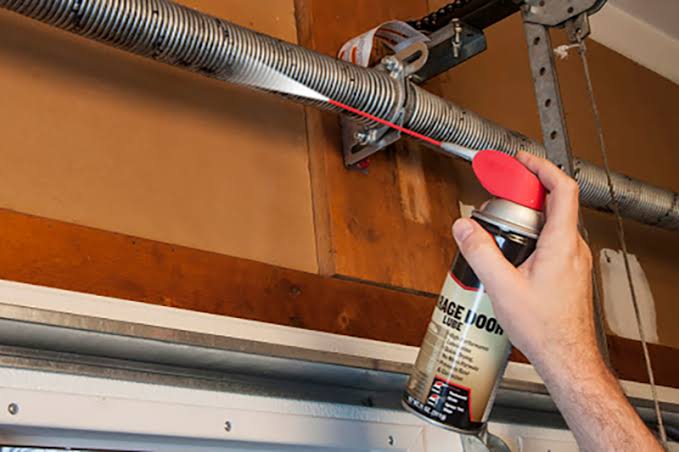
Don’t forget the hinges connecting the door sections. Apply lubricant to the pivot points. For the torsion spring (the large spring above the door), lightly spray silicone lubricant along its length. Never touch or adjust the springs yourself, as they are under high tension and can be dangerous.
Step 5: Wipe Away Excess
Use a rag to wipe away any dripping lubricant. Excess lubricant attracts dirt, so less is more. Your goal is a thin, even coat.
Step 6: Test the Door
Open and close the door several times to work the lubricant into the moving parts. Listen for any remaining squeaks. If you hear noise, identify the specific roller or hinge and apply a tiny bit more lubricant.
Common Mistakes to Avoid
Even with the right lubricant, mistakes can happen. Here are the most common errors homeowners make:
- Lubricating the Tracks: Never spray lubricant inside the metal tracks where the rollers move. This creates a slippery surface that can cause the rollers to slip or accumulate grime, leading to misalignment. The tracks should always be kept clean and dry.
- Over-Lubricating: More is not better. Excess lubricant drips onto your car, driveway, or floor, creating a mess and attracting pests.
- Ignoring Weather Conditions: If you live in a dusty area, silicone is better than grease. If you live in a humid coastal area, ensure your lubricant is water-resistant.
FAQ Section
1. Can I use WD-40 Specialist Silicone Lubricant on garage door rollers?
Yes! WD-40 Brand makes a specific product called WD-40 Specialist Silicone Lubricant. This is different from the classic blue-can WD-40. The specialist silicone version is designed for lubrication and is safe for garage door rollers, especially nylon ones. Always check the label to ensure it says “Silicone” and not just “Multi-Use Product.”
2. How often should I lubricate my garage door rollers?
It is recommended to lubricate your garage door rollers, hinges, and springs at least twice a year. A good schedule is once in the spring and once in the fall. If you live in an extreme climate (very hot, very cold, or very dusty), you may need to do it every three to four months.
3. Can I use cooking oil or motor oil as a substitute?
No. Cooking oil will go rancid, attract pests, and become sticky. Motor oil is too thin, drips excessively, and stains concrete permanently. Always use purpose-made garage door lubricants like silicone or lithium grease.
4. My rollers are still noisy after lubrication. What should I do?
If noise persists, the issue might not be lubrication. Check for:
- Worn-out bearings: If the rollers are old, the bearings inside may be damaged and need replacement.
- Loose hardware: Tighten any loose bolts on hinges and brackets.
- Misaligned tracks: If the tracks are bent or out of alignment, the rollers will grind. This requires professional adjustment.
5. Is it safe to lubricate the garage door springs myself?
You can lightly lubricate the springs with silicone spray, but never attempt to adjust, tighten, or repair them. Torsion and extension springs are under extreme tension and can cause serious injury or death if they snap. If your springs look damaged or worn, call a professional garage door technician immediately.
Conclusion
So, can you use WD-40 on garage door rollers? The classic multi-use WD-40 is a big no. It strips away essential grease and attracts dirt, leading to more damage over time. Instead, invest in a bottle of silicone spray or white lithium grease. These products are designed to withstand friction, resist dust, and protect your garage door components for the long haul.
By following the simple steps outlined above, you can keep your garage door running smoothly, quietly, and safely. Regular maintenance not only saves you money on costly repairs but also ensures your home’s security and convenience.
Did you find this guide helpful? Share it with your neighbors or on social media to help others avoid the WD-40 mistake! A well-lubricated garage door is a happy garage door.
Leave a Reply