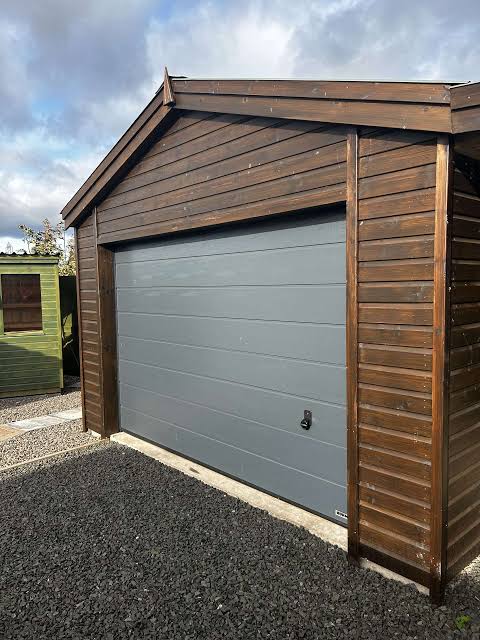
Choosing a new garage door can feel overwhelming given the sheer number of materials, styles, and price points available. You want a door that enhances your home’s curb appeal without breaking the bank or requiring constant repairs. If you are wondering what is the best garage door for the money, you are in the right place to find a balance between cost, durability, and aesthetics.
Understanding Value: It’s Not Just About the Lowest Price
When homeowners ask about the best value, they often mistake “cheap” for “valuable.” However, the true definition of value in home improvement is the ratio of performance to cost over time. A $500 door that rusts in three years is far more expensive than a $1,200 door that lasts twenty years with minimal maintenance.
To determine the best option for your budget, we must look at three core factors:
- Initial Cost: The upfront price of materials and installation.
- Longevity: How long the door lasts under local weather conditions.
- Maintenance: The time and money required to keep it functioning.
According to recent housing market data, replacing a garage door offers one of the highest returns on investment (ROI) for home resale value, often recouping nearly 90% of the cost. This makes choosing the right material a critical financial decision, not just an aesthetic one.
Steel Doors: The Champion of Cost-Effectiveness
For most American homeowners, steel garage doors represent the sweet spot for value. They are widely available, durable, and require very little upkeep compared to other materials.
Why Steel Wins on Budget
Steel doors are manufactured in large quantities, which keeps production costs low. Unlike wood, they do not warp, crack, or rot when exposed to humidity or temperature fluctuations. This resilience makes them ideal for various climates, from the humid Southeast to the chilly Midwest.
| Feature | Single-Layer Steel | Double-Layer Steel | Triple-Layer Steel |
|---|---|---|---|
| Durability | Low (Dents easily) | Medium | High |
| Insulation | None | Polystyrene foam | Polyurethane foam |
| Noise Level | Loud | Moderate | Quiet |
| Best For | Detached garages | Attached garages | Homes above garage |
The Insulation Factor
One hidden cost of cheap garage doors is energy loss. If your garage is attached to your home, an uninsulated single-layer steel door can act as a thermal bridge, letting heat escape in winter and enter in summer.
Opting for a double-layer or triple-layer steel door with polyurethane insulation adds to the upfront cost but significantly reduces energy bills. Polyurethane foam expands to fill the entire cavity, providing superior R-value (thermal resistance) compared to polystyrene boards. For many households, this energy savings pays for the upgrade within five to seven years.
Wood-Composite Doors: The Aesthetic Compromise
If you love the look of traditional carriage-house doors but dread the maintenance of real wood, wood-composite is a strong contender. These doors use a steel or aluminum frame with high-density fiberboard panels that mimic wood grain.
Pros and Cons of Composite
- Pros: They offer the warm, custom appearance of wood at a fraction of the cost. They are resistant to rot and insect damage, which plagues natural timber.
- Cons: While more durable than real wood, they can still be susceptible to moisture damage if the sealant fails. They are generally heavier than pure steel, which may require stronger springs.
For homeowners who prioritize curb appeal but want to avoid the $3,000+ price tag of custom cedar or mahogany doors, composite provides a middle ground. However, purely from a “cost-per-year-of-service” perspective, standard steel usually edges out composite due to lower maintenance requirements.
Aluminum and Glass: Modern Style with Caveats
Aluminum doors are popular in modern architectural designs, particularly in coastal areas where salt air corrodes steel. They are lightweight and rust-resistant, but they come with specific trade-offs that affect their value proposition.
When Aluminum Makes Sense
Aluminum is best suited for mild climates. In areas with high winds or frequent hail, aluminum dents much more easily than steel. Furthermore, glass-paneled aluminum doors provide excellent natural light but offer poor insulation unless specifically engineered with thermal breaks.
If you live in California or Florida and want a contemporary look, aluminum might be your best bet. However, for the average homeowner in Texas or Ohio, the lack of durability against impact makes it a riskier financial choice.
Key Features That Impact Long-Term Value
Beyond the material, several components dictate whether your garage door is a good investment. Ignoring these can lead to premature failure.
1. Gauge Thickness
Steel thickness is measured in gauge. The lower the number, the thicker the steel.
- 24-gauge: Common in budget doors; prone to denting.
- 22-gauge: Standard for mid-range doors; good balance of strength and weight.
- 20-gauge: Premium; highly resistant to dents and wind load.
For the best money’s worth, aim for 22-gauge steel. It provides sufficient durability for residential use without the premium price of 20-gauge commercial-grade doors.
2. Hardware Quality
The door itself is only half the equation. The springs, cables, and rollers bear the weight of the door every time it opens. Cheap nylon rollers wear out quickly and create noise. Investing in steel-reinforced nylon rollers or full steel rollers extends the life of the system and reduces strain on the opener.
3. Warranty Coverage
A robust warranty is a sign of manufacturer confidence. Look for:
- Lifetime warranty on panels against rust-through.
- 5–10 year warranty on mechanical parts.
- 1-year labor warranty from the installer.
Avoid brands that offer only limited 1-year warranties on the entire unit, as this suggests lower quality control. For more detailed information on material properties and manufacturing standards, you can refer to general industrial guidelines on metal fabrication and durability.
Installation: DIY vs. Professional
One of the biggest mistakes budget-conscious buyers make is attempting to install a garage door themselves to save money. Garage doors are under extreme tension, particularly the torsion springs. A snapped spring can cause severe injury or property damage.
Professional installation typically costs between $300 and $800, depending on your location and the complexity of the job. While this adds to the initial expense, it ensures:
- Correct spring calibration for smooth operation.
- Proper sealing to prevent water infiltration.
- Validation of the manufacturer’s warranty (many void warranties if self-installed).
When calculating what is the best garage door for the money, always include professional installation in your total budget. A poorly installed expensive door will perform worse than a professionally installed mid-range door.
FAQ Section
Q: What is the cheapest reliable garage door material?
A: Single-layer steel is the cheapest reliable option. It is durable enough for detached garages or mild climates but lacks insulation and noise reduction. For attached garages, double-layer insulated steel is the minimum recommended standard for reliability.
Q: How often should I replace my garage door?
A: Most high-quality steel doors last 15–30 years. Wood doors may last 10–20 years depending on maintenance. If you notice excessive rust, warped panels, or frequent spring breaks, it may be time for a replacement regardless of age.
Q: Does insulation really save money?
A: Yes, if your garage is attached to your home or used as a workspace. Insulated doors maintain a more stable temperature, reducing the load on your HVAC system. In extreme climates, the energy savings can offset the higher initial cost of an insulated door within a few years.
Q: Can I paint my steel garage door to change its look?
A: Absolutely. Most steel doors come with a baked-on polyester finish that accepts exterior-grade acrylic latex paint well. Painting is a cost-effective way to update your home’s appearance without buying a new door. Ensure you clean and prime the surface properly for adhesion.
Q: What gauge steel should I buy for a windy area?
A: In regions prone to high winds or hurricanes, opt for 20-gauge or 18-gauge steel. These thicker panels resist bending and deformation better than standard 24-gauge doors. Additionally, look for doors rated for specific wind loads (e.g., Miami-Dade County approved).
Conclusion
Finding what is the best garage door for the money ultimately depends on your specific needs, but for the majority of homeowners, insulated double-layer steel emerges as the winner. It offers the perfect triad of affordability, durability, and energy efficiency. While wood-composite offers beauty and aluminum offers style, steel provides the longest lifespan with the least hassle.
Remember, the cheapest upfront price often leads to the highest long-term cost. By investing in a slightly higher gauge steel and professional installation, you secure a door that protects your home and enhances its value for decades.
If you found this guide helpful, please share it with your friends on social media who are planning home improvements. Your network might just save thousands by making the right choice the first time!
Leave a Reply