Introduction
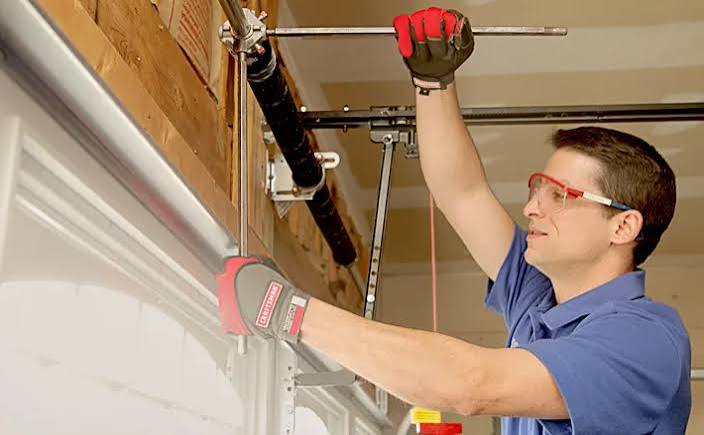
There is nothing quite as frustrating as pulling into your driveway after a long day, pressing the remote, and hearing… silence. A malfunctioning garage door opener isn’t just an inconvenience; it can compromise your home’s security and disrupt your daily routine. If you are asking yourself, “How do I get a replacement garage door opener?” you are not alone. This guide will walk you through the process of selecting, purchasing, and installing a new unit with confidence, ensuring you make the right choice for your specific needs and budget.
Step 1: Diagnose Before You Replace
Before rushing to the hardware store, it is crucial to determine if your entire unit needs replacement or if a simple repair will suffice. Many homeowners spend hundreds on a new opener when a $20 sensor alignment or a new remote battery would have solved the problem.
Check these common issues first:
- Power Source: Is the unit plugged in? Check your circuit breaker.
- Sensors: Are the safety eyes at the bottom of the door tracks aligned and clean?
- Remote Batteries: Have you tried fresh batteries in your handheld remote?
- Lock Mode: Is the “lock” button accidentally engaged on your wall console?
If the motor hums but the door doesn’t move, the gears might be stripped. If there is no sound at all, the motor board may have failed. In these cases, replacement is often more cost-effective than repair, especially if your current unit is over 10 years old.
Step 2: Choose the Right Drive Type
When researching how do I get a replacement garage door opener, understanding the drive mechanism is the most critical technical decision. There are three main types, each with distinct pros and cons.
1. Chain Drive
This is the most traditional and affordable option. It uses a metal chain (similar to a bicycle chain) to pull the trolley that moves the door.
- Pros: Lowest cost, high durability, widely available parts.
- Cons: Noisy operation; not ideal if your garage is attached to living spaces or bedrooms above.
2. Belt Drive
These units use a steel-reinforced rubber belt. They are rapidly becoming the standard for modern homes.
- Pros: Extremely quiet, smooth operation, low maintenance.
- Cons: Slightly more expensive than chain drives; belts may need replacement after 10+ years (though rare).
3. Screw Drive
A threaded steel rod rotates to move the trolley. These are less common now but still available.
- Pros: Fewer moving parts, good for extreme temperature variations.
- Cons: Can be noisy over time as lubrication dries out; requires regular maintenance.
| Feature | Chain Drive | Belt Drive | Screw Drive |
|---|---|---|---|
| Noise Level | High | Low | Medium |
| Cost | $ | $$ | $$ |
| Maintenance | Low | Very Low | Medium |
| Best For | Detached Garages | Attached Homes | Extreme Climates |
Step 3: Determine Horsepower and Features
Not all openers are created equal. The size and weight of your door dictate the power you need.
Horsepower (HP) Guidelines:
- ½ HP: Suitable for standard single-car doors made of lightweight materials (aluminum or thin steel).
- ¾ HP: The gold standard for most double-car doors or heavier wooden doors. This provides smoother lifting and less strain on the motor.
- 1+ HP: Required for oversized custom doors, heavy solid wood, or frequent commercial use.
Modern Features to Consider: In today’s smart home era, basic up-and-down functionality is no longer enough. Look for these value-added features:
- Wi-Fi Connectivity: Allows you to open/close the door via smartphone app from anywhere.
- Battery Backup: Essential for areas prone to power outages. This ensures you can still operate the door during a storm.
- Security Rolling Codes: Prevents hackers from intercepting your signal. Always choose an opener with advanced encryption.
- LED Lighting: Brighter, longer-lasting lights improve visibility and safety.
For a deeper understanding of garage door safety standards and mechanisms, you can refer to general mechanical principles outlined on Wikipedia.
Step 4: Where to Buy Your Replacement
Now that you know what you need, the next part of answering how do I get a replacement garage door opener is knowing where to look.
1. Big Box Retailers (Home Depot, Lowe’s)
- Best for: Immediate availability and competitive pricing on major brands like LiftMaster, Chamberlain, and Genie.
- Tip: Check their websites for “special buy” discounts or bundle deals that include installation kits.
2. Online Marketplaces (Amazon, Wayfair)
- Best for: Reading user reviews and comparing specifications side-by-side.
- Tip: Ensure the seller is authorized to guarantee warranty validity. Watch out for third-party sellers offering significantly lower prices, which may indicate refurbished or counterfeit units.
3. Professional Dealers
- Best for: High-end luxury openers or complex installations.
- Tip: While more expensive, these dealers often provide superior customer support and extended warranties.
Step 5: Installation – DIY vs. Professional
Can you install it yourself? Yes, but should you?
DIY Installation: If you are handy with tools, have a helper, and are comfortable working on a ladder, you can save between $150–$300 in labor costs. Most modern openers come with detailed manuals and pre-assembled rail systems.
- Time Commitment: 3–5 hours for a first-timer.
- Tools Needed: Drill, wrenches, ladder, locking pliers, and a helper.
Professional Installation: Hiring a pro is recommended if:
- Your existing springs are damaged (never touch torsion springs yourself; they are under high tension and can cause severe injury).
- You lack the physical strength to lift the motor unit into place.
- You want the convenience of a warranty that covers both parts and labor.
Safety Warning: Always disconnect the power before beginning any work. Ensure the door is balanced and moves smoothly manually before attaching the new opener.
Frequently Asked Questions (FAQ)
Q1: How much does a replacement garage door opener cost?
A: The cost varies by type and features. A basic chain-drive model starts around $150–$200. Mid-range belt-drive models with Wi-Fi cost $250–$400. High-end models with battery backup and advanced security can range from $400–$600. Professional installation typically adds $150–$300.
Q2: Can I replace just the motor unit without changing the rail?
A: In some cases, yes. If your existing rail and trolley system are in good condition, you can purchase a “motor head” replacement. However, ensure the new motor is compatible with your existing rail brand and model. Mixing brands is generally not recommended due to compatibility issues with gear teeth and mounting brackets.
Q3: How long do garage door openers last?
A: On average, a well-maintained garage door opener lasts 10 to 15 years. Chain drives may last longer mechanically but become noisy. Belt drives remain quiet but the belt may stretch over time. Regular lubrication of moving parts (excluding the belt) can extend lifespan.
Q4: Do I need a professional to program my new remote?
A: No. Most modern openers feature a “Learn” button on the motor unit. You simply press the button, then press the button on your new remote within 30 seconds. The process is straightforward and detailed in the user manual. Smart Wi-Fi models may require downloading an app and connecting to your home network.
Q5: What should I do with my old garage door opener?
A: Do not throw it in the regular trash. Many big-box retailers offer recycling programs for electronic waste. Alternatively, check with your local municipal waste management facility for e-waste drop-off locations. Some components, like metals and circuit boards, can be recycled responsibly.
Conclusion
Navigating the question of how do I get a replacement garage door opener doesn’t have to be stressful. By diagnosing your current issue, choosing the right drive type (belt for quietness, chain for budget), and selecting appropriate horsepower, you can secure a unit that enhances both convenience and security. Whether you choose the DIY route to save money or hire a professional for peace of mind, upgrading your opener is a worthwhile investment in your home’s functionality.
Don’t let a broken opener leave you stranded outside. Take action today, compare your options, and enjoy the smooth, quiet operation of a modern garage door system.
Leave a Reply