There’s nothing quite as frustrating as waking up to a garage door that won’t open. If you’ve heard a loud bang from your garage, chances are your garage door spring has snapped. You’re probably wondering: what does it cost to replace a garage door spring? This is a common concern for homeowners, and understanding the costs involved can help you make an informed decision without breaking the bank.
In this comprehensive guide, we’ll break down everything you need to know about garage door spring replacement costs, including average prices, factors that influence pricing, and whether you should tackle this job yourself or hire a professional.
Average Cost to Replace a Garage Door Spring
The cost to replace a garage door spring typically ranges between $150 and $350, including parts and labor. However, several factors can push this price higher or lower depending on your specific situation.
Here’s a quick breakdown of average costs:
| Type of Spring | Parts Only | Parts + Labor |
|---|---|---|
| Torsion Spring | $50–$100 | $200–$350 |
| Extension Spring | $30–$80 | $150–$250 |
| Dual Spring System | $100–$200 | $300–$450 |
Torsion springs are more common in modern garage doors and tend to cost slightly more due to their complexity and higher tension requirements. Extension springs, often found in older systems, are generally less expensive but may require replacing both sides for balanced operation.
According to industry experts, most homeowners spend around $225 on average for a single spring replacement. If both springs need replacement (which is recommended for even wear), expect to pay between $300 and $450.
Factors That Affect Garage Door Spring Replacement Costs
Several variables influence the final price tag. Understanding these factors can help you budget appropriately and avoid unexpected charges.
1. Type of Spring System
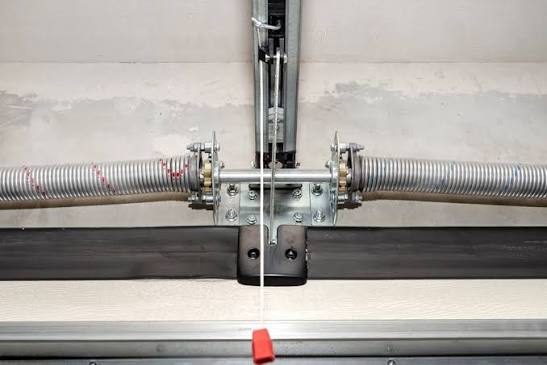
As mentioned above, torsion springs are more expensive than extension springs. Torsion springs are mounted above the garage door and use torque to lift the door, while extension springs stretch along the sides of the door track. Torsion systems are considered safer and more durable, which partly explains their higher cost.
2. Number of Springs Being Replaced
Most garage doors use either one or two springs. If only one spring breaks, technicians often recommend replacing both to ensure balanced lifting and prevent premature failure of the remaining spring. This doubles the parts cost but can save you money in the long run by avoiding another service call soon after.
3. Garage Door Size and Weight
Larger and heavier garage doors require stronger, more expensive springs. A standard single-car garage door typically uses lighter-duty springs, while double-car or custom wooden doors may need heavy-duty springs rated for higher weights. The spring’s wire size, length, and coil count all affect pricing.
4. Labor Costs and Location
Labor rates vary significantly by region. In major metropolitan areas like New York or San Francisco, expect to pay $75–$150 per hour for professional service. In smaller towns or rural areas, labor costs may range from $50–$100 per hour. Most spring replacements take 1–2 hours, so labor alone can add $100–$300 to your bill.
5. Emergency or After-Hours Service
If your garage door spring breaks on a weekend, holiday, or late at night, many companies charge emergency service fees ranging from $50 to $150 on top of standard rates. Planning ahead and scheduling during regular business hours can save you significant money.
6. Additional Repairs or Parts
Sometimes, a broken spring reveals other underlying issues, such as worn cables, damaged rollers, or misaligned tracks. If your technician identifies additional problems, the total cost will increase. Always ask for a detailed estimate before work begins.
DIY vs. Professional Replacement: Which Is Right for You?
One of the biggest questions homeowners face is whether to attempt a DIY replacement or hire a professional. Let’s weigh the pros and cons.
DIY Replacement
Pros:
- Saves on labor costs ($100–$300)
- Sense of accomplishment
- Flexibility in timing
Cons:
- High risk of injury: Garage door springs are under extreme tension (up to 200+ pounds of force). Improper handling can cause serious injuries, including broken bones or eye damage.
- Requires specialized tools (winding bars, vice grips, clamps)
- Potential for incorrect installation, leading to premature failure or door damage
- Voided warranty if not installed by a certified technician
Professional Replacement
Pros:
- Expertise and experience ensure safe, correct installation
- Warranty on parts and labor (typically 1–5 years)
- Proper tools and safety equipment
- Identification of other potential issues
Cons:
- Higher upfront cost
- Scheduling may require waiting for availability
Expert Recommendation: Due to the significant safety risks involved, most professionals strongly advise against DIY garage door spring replacement. The International Door Association emphasizes that improper spring installation is one of the leading causes of garage door-related injuries. Investing in professional service is worth the peace of mind and long-term reliability.
Signs Your Garage Door Spring Needs Replacement
Not sure if your spring is the problem? Look for these common warning signs:
- Loud snapping noise from the garage
- Garage door won’t open or closes too quickly
- Visible gap or separation in the spring coils
- Door appears crooked or uneven when opening
- Spring looks stretched out or rusted
If you notice any of these symptoms, it’s time to call a professional for an inspection.
How Long Do Garage Door Springs Last?
Understanding the lifespan of your garage door springs can help you anticipate replacement needs. On average:
- Torsion springs: 15,000–20,000 cycles (approximately 7–10 years with normal use)
- Extension springs: 10,000–15,000 cycles (approximately 5–7 years)
A “cycle” equals one complete open-and-close motion. If you use your garage door multiple times daily, your springs will wear out faster. Regular maintenance, such as lubricating the springs every six months, can extend their lifespan.
FAQ Section
Q1: Can I replace just one garage door spring?
While it’s technically possible to replace only one spring, most professionals recommend replacing both springs simultaneously. This ensures balanced tension and prevents the remaining old spring from failing shortly after, which would require another service call and additional cost.
Q2: How dangerous is it to replace a garage door spring myself?
Garage door springs are under extreme tension and can be extremely dangerous if handled improperly. A snapped spring or slipping winding bar can cause severe injuries, including fractures, lacerations, or even death. For this reason, DIY replacement is strongly discouraged unless you have proper training and tools.
Q3: Does homeowners insurance cover garage door spring replacement?
In most cases, no. Garage door spring replacement is considered routine maintenance or wear-and-tear, which is typically excluded from homeowners insurance coverage. However, if the spring broke due to a covered peril (such as a storm or vandalism), your insurer may cover part of the cost. Check with your provider for specifics.
Q4: How can I extend the life of my garage door springs?
Regular maintenance is key. Lubricate your springs with a silicone-based lubricant every six months, keep the tracks clean and aligned, and avoid slamming the door. Additionally, consider upgrading to high-cycle springs if you use your garage door frequently.
Q5: What’s the difference between standard and high-cycle garage door springs?
Standard springs are rated for 10,000–15,000 cycles, while high-cycle springs can last 25,000–50,000 cycles. High-cycle springs cost more upfront ($20–$50 extra per spring) but offer better long-term value if you use your garage door heavily.
Q6: How long does it take to replace a garage door spring?
A professional technician can typically replace a garage door spring in 1–2 hours. This includes removing the old spring, installing the new one, adjusting tension, and testing the door’s operation. DIY attempts may take significantly longer, especially for first-timers.
Conclusion
So, what does it cost to replace a garage door spring? Expect to pay between $150 and $350 for professional replacement, depending on the type of spring, location, and any additional repairs needed. While DIY might seem tempting to save money, the safety risks and potential for costly mistakes make professional service the smarter choice.
By understanding the factors that influence cost and recognizing the signs of spring failure, you can address the issue promptly and avoid being stranded with a non-functional garage door. Remember, regular maintenance can extend spring life and save you money in the long run.
Found this guide helpful? Share it with friends and family on social media who might be facing the same garage door dilemma. Your share could save someone from an expensive surprise!
Leave a Reply