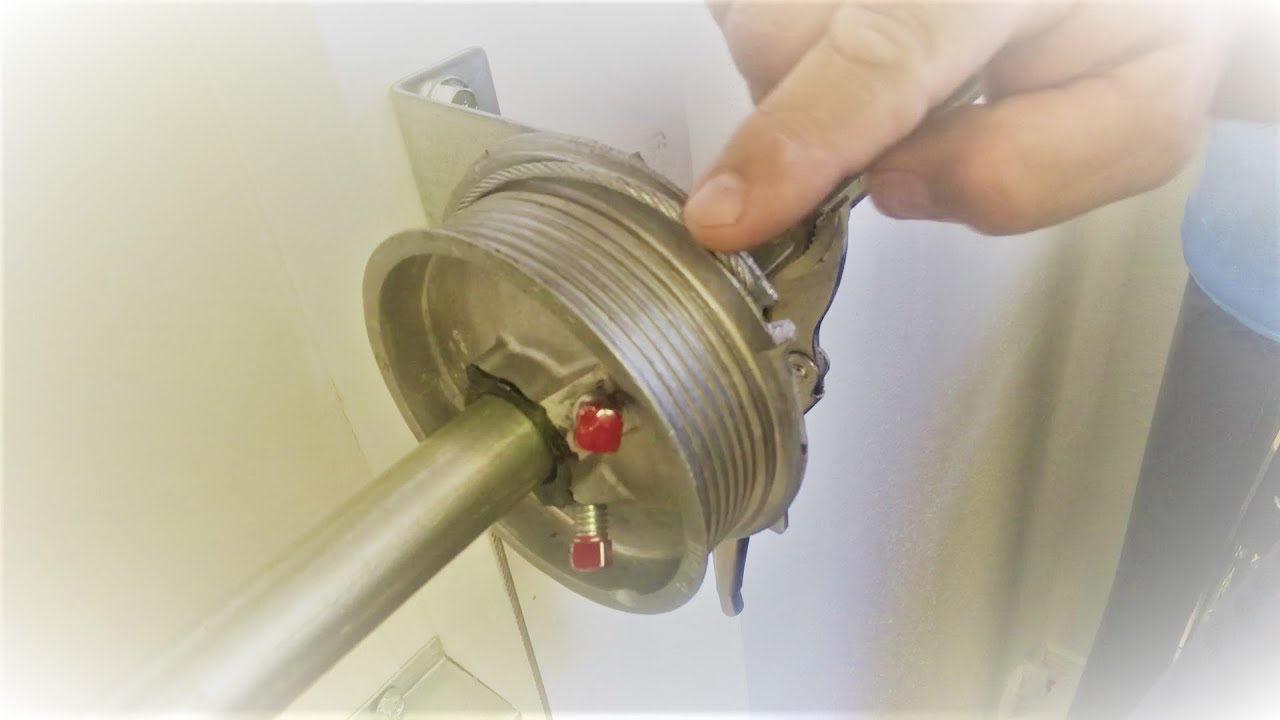
A derailed or snapped cable can leave your car trapped and your morning completely derailed, but there is no need to panic. If you are currently stressing over how to put a garage door cable back on, you have come to the right place to solve this frustrating issue quickly and safely.
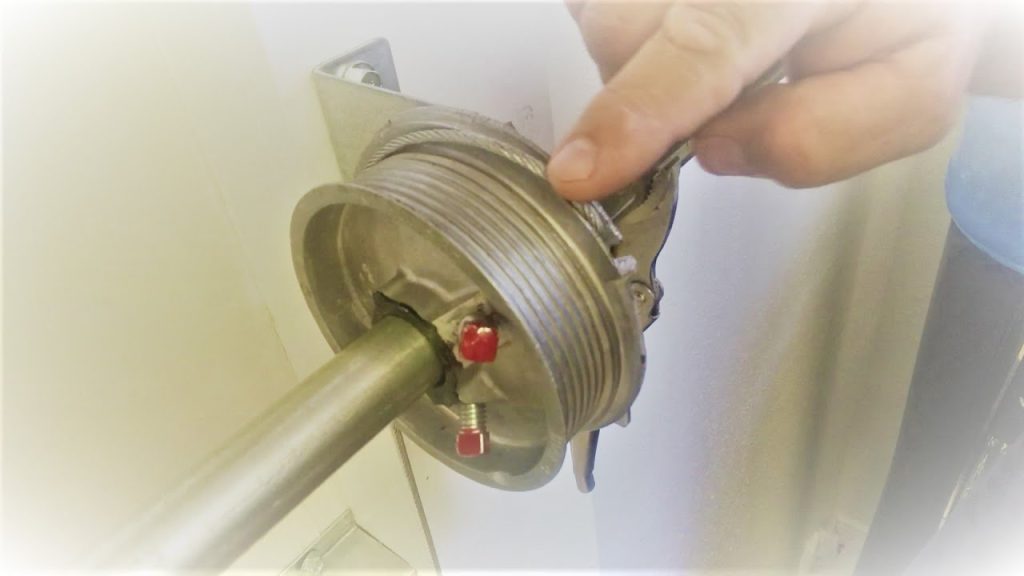
How To Put A Garage Door Cable Back On Safely
When your garage door cable slips off the drum or snaps, the door becomes unbalanced and potentially dangerous. Understanding how to put a garage door cable back on requires patience, the right tools, and a strict adherence to safety protocols.
While the physical act of re-seating a cable is straightforward, the high-tension springs attached to it are not. Let us walk through everything you need to know to get your door moving smoothly again.
What Tools Do You Need for the Job?
Before we dive into the steps, you must gather the proper equipment. Using makeshift tools can lead to stripped screws or severe injuries.
Here is your essential toolkit:
- Safety gear: Heavy-duty work gloves and ANSI-approved safety glasses.
- Locking pliers: (Commonly known as Vise-Grips) to secure the door track.
- Socket wrench set: Specifically a 7/16-inch socket for most standard bracket bolts.
- Allen wrench set: Usually a 3/8-inch or 5/16-inch key for the drum set screws.
- A sturdy stepladder: Ensure it is fully locked and placed on a flat concrete surface.
- Winding bars: Only required if you need to adjust torsion springs (highly discouraged for beginners).
Is It Safe to Fix a Garage Door Cable Yourself?
This is the most critical question you should ask yourself. According to the U.S. Consumer Product Safety Commission, garage door spring and cable injuries send hundreds of people to the emergency room every year. The torsion spring above your door holds enough kinetic energy to lift hundreds of pounds.
If your cable simply slipped off the drum but remains completely intact and attached to the bottom bracket, you can usually re-seat it safely without touching the spring tension. However, if the cable is frayed, snapped, or if the spring is broken, you must call a professional.
To understand the broader mechanics of these heavy systems, you can review the general components and history of a garage door on Wikipedia.
Step-by-Step Tutorial: Re-Seating a Derailed Cable
If your cable is intact but just fell off the drum, follow these concrete steps to fix it.
Step 1: Disconnect the Power and Secure the Door Unplug your automatic garage door opener to prevent accidental activation. Next, close the garage door completely. Take your locking pliers and clamp them tightly onto the vertical metal track exactly 2 inches below the bottom roller bracket on both sides. This prevents the door from shooting up while you work.
Step 2: Inspect the Cable and Drum Climb your stepladder and inspect the cable. Look for any “fishhooks” or frayed steel wires. If the cable is damaged, stop immediately and buy a replacement. If it looks healthy, locate the cable drum at the top of the track (above the torsion spring).
Step 3: Loosen the Drum Set Screws Using your Allen wrench, loosen the set screws on the side of the cable drum. You only need to loosen them about 1/4 of a turn. Do not remove them completely, or the drum will slip out of alignment.
Step 4: Re-Seat the Cable into the Grooves Pull the loose cable taut by hand. Carefully guide the end of the cable back into the circular groove of the drum. The drum has a specific spiral track; ensure the cable sits perfectly flush inside this groove without overlapping itself.
Step 5: Tighten and Tension Once the cable is seated in the groove, use your Allen wrench to tighten the set screws back down. Apply exactly 120 in-lbs of torque to ensure it does not slip under load. Pull the cable downward firmly one last time to ensure it is seated tightly in the drum groove.
Step 6: Test the Balance Remove the locking pliers from the tracks. Pull the red emergency release cord to disconnect the opener. Manually lift the door halfway up and let go. If the door stays perfectly in place, your cable tension is correct. If it slams down or shoots up, your spring tension is off, and you need a professional.
DIY Repair vs. Hiring a Professional
Not sure if you should tackle this yourself? Here is a quick comparison to help you decide.
| Feature | DIY Repair (Cable Re-seating) | Hiring a Professional |
|---|---|---|
| Cost | $0 (if tools are owned) | $150 – $250 average |
| Time Required | 30 – 45 minutes | 1 – 2 hours (including scheduling) |
| Risk Level | Moderate (requires ladder work) | Zero (handled by insured techs) |
| Best For | Intact cables that slipped off | Snapped, frayed cables, or broken springs |
Frequently Asked Questions
Why did my garage door cable come off the drum?
The most common culprit is an unbalanced door or a loose set screw on the drum. Over time, the constant vibration of the door opening and closing can cause the tiny set screws to back out. Additionally, if your tracks are misaligned, the cable will pull at an angle, eventually slipping out of the drum groove.
Can I manually open my garage door if the cable is off?
Absolutely not. If a cable is off or broken, the door is completely unbalanced. The heavy torsion spring is still under extreme tension on one side, while the other side has no counterbalance. Trying to lift it manually can cause the door to jam, derail from the tracks entirely, or cause the remaining cable to snap, leading to severe property damage or injury.
How much does it cost to fix a garage door cable?
If you hire a professional to replace a snapped cable and re-balance the door, you can expect to pay between $150 and $250, depending on your location and the type of door. If you are just re-seating an intact cable yourself, the cost is virtually free, though replacement cables only cost about $15 to $30 at a local hardware store.
How often should I replace garage door cables?
Garage door cables are rated by “cycles” (one cycle equals one open and one close). Standard cables are rated for about 10,000 cycles. For an average household that uses the door four times a day, this translates to roughly 7 to 10 years. If you notice rust, fraying, or loose strands before that time, replace them immediately.
Conclusion
Learning how to put a garage door cable back on can save you a significant amount of money and keep your daily routine running smoothly. By securing the door properly, using the right tools, and carefully re-seating the cable into the drum grooves, you can restore your garage door’s functionality in under an hour. Always prioritize safety, and never hesitate to call a certified technician if you encounter snapped cables or broken springs.
Did this guide help you fix your garage door? Share this article on Facebook, Twitter, or Pinterest to help your friends and family save money on their own home repairs!
Leave a Reply