Is your garage door squeaking, sticking, or making grinding noises every time it opens? You are not alone. Millions of homeowners face this frustrating issue, but the solution is simpler than you might think. Knowing what do you use to lubricate a garage door can save you hundreds of dollars in repair costs and extend the lifespan of your entire system. In this comprehensive guide, we will break down exactly which products work best, how to apply them correctly, and common mistakes you must avoid.
Why Proper Lubrication Matters for Your Garage Door
Your garage door is likely the largest moving object in your home. It operates daily, enduring weather changes, dust, and heavy mechanical stress. Without proper lubrication, metal-on-metal friction increases dramatically. This leads to premature wear on rollers, hinges, springs, and tracks.
According to the International Door Association (IDA), regular maintenance—including lubrication—can extend the life of a garage door system by up to 50%. Yet, many homeowners neglect this simple task until something breaks. By understanding what do you use to lubricate a garage door, you proactively protect your investment and ensure smooth, quiet operation year-round.
What Is the Best Lubricant for Garage Doors?
Not all lubricants are created equal. Using the wrong product can attract dirt, gum up mechanisms, or even damage components. Here are the top three recommended types:
1. Silicone-Based Spray
Silicone spray is widely regarded as the gold standard for garage door lubrication. It penetrates deep into moving parts, resists water, and does not attract dust or debris. It is ideal for:
- Rollers
- Hinges
- Tracks
- Weather stripping
Pros: Clean application, long-lasting, non-sticky.
Cons: Can be slippery if oversprayed on floors.
2. White Lithium Grease
White lithium grease is a thicker, heavier lubricant perfect for high-friction areas. It adheres well to metal surfaces and provides excellent protection against corrosion. It is best used for:
- Spring coils (torsion and extension)
- Bearing plates
- Lock mechanisms
Pros: Durable, excellent for heavy-load parts.
Cons: Messier to apply; can attract dirt if overused.
3. Garage Door Specific Lubricants
Many brands now offer specialized garage door lubricants that combine silicone and lithium properties. These are formulated specifically for the unique demands of garage door systems. While often more expensive, they provide convenience and optimized performance.
| Lubricant Type | Best For | Durability | Cleanliness |
|---|---|---|---|
| Silicone Spray | Rollers, Hinges, Tracks | High | Very Clean |
| White Lithium Grease | Springs, Bearings | Very High | Moderate |
| WD-40 (Standard) | Not Recommended | Low | Sticky |
Expert Note: Avoid using standard WD-40 as a long-term lubricant. While it displaces moisture, it evaporates quickly and leaves a sticky residue that attracts dust, ultimately worsening friction. For more details on lubricant chemistry, you can refer to Wikipedia’s article on lubricants.
How Often Should You Lubricate Your Garage Door?
Frequency depends on usage and climate. As a general rule:
- Standard Use: Lubricate every 6 months.
- High Humidity or Dusty Areas: Lubricate every 3–4 months.
- Heavy Daily Use: Consider quarterly maintenance.
Signs you need immediate lubrication include:
- Squeaking or grinding noises
- Slow or jerky movement
- Visible rust on hinges or springs
Step-by-Step Guide: How to Lubricate Your Garage Door
Follow these precise steps to ensure safe and effective lubrication. Always prioritize safety—disconnect the opener if working near springs.
Step 1: Gather Your Supplies
You will need:
- Silicone spray or white lithium grease
- Clean microfiber cloths
- A ladder (if needed for high tracks)
- Safety glasses
Step 2: Clean the Components
Before applying lubricant, wipe down rollers, hinges, and tracks with a damp cloth. Remove built-up dirt, old grease, and debris. Lubricating over dirt creates abrasive paste that damages parts.
Step 3: Lubricate the Rollers
Focus on the bearings inside the rollers. Apply a small amount of silicone spray to each roller bearing. Rotate the roller manually to distribute the lubricant evenly. Wipe away any excess drip.
Step 4: Lubricate the Hinges
Apply silicone spray or lithium grease to the pivot points of each hinge. Open and close the door slightly to work the lubricant into the joints.
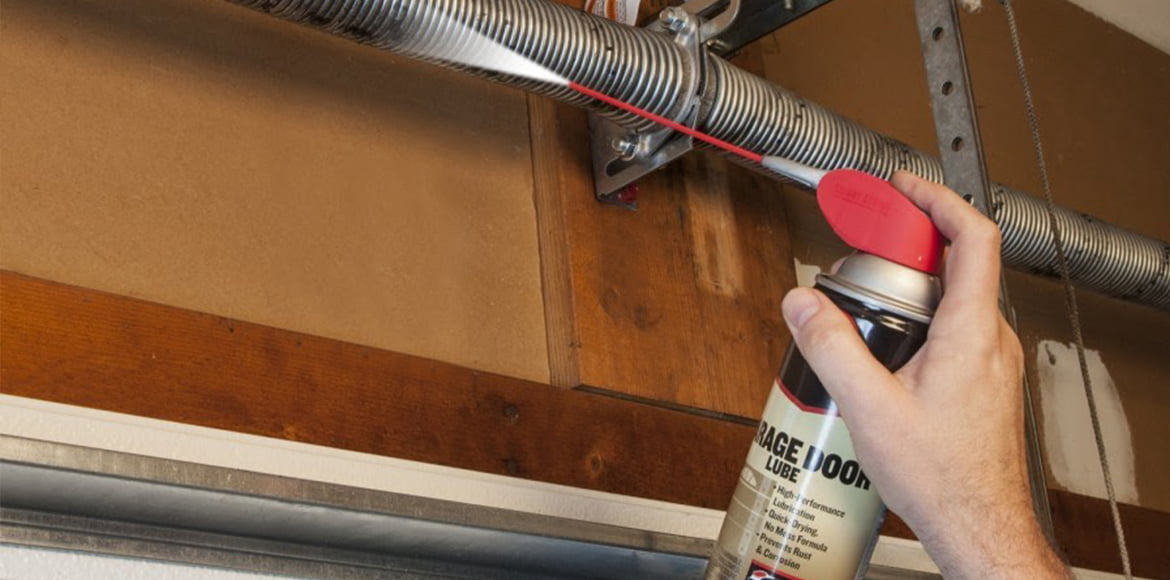
Step 5: Lubricate the Springs
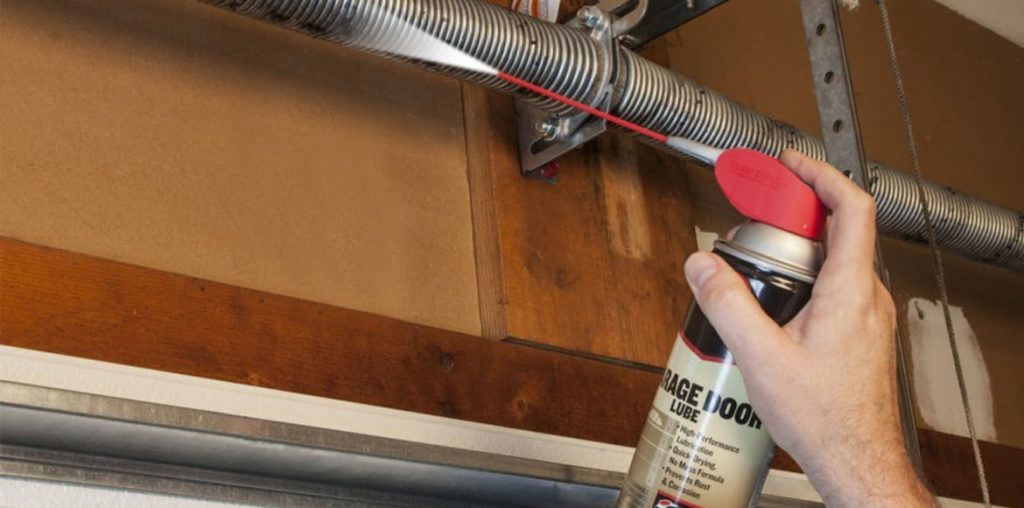
Caution: Garage door springs are under extreme tension. Do not attempt to adjust or remove them. For torsion springs, apply white lithium grease lightly along the coil. For extension springs, lubricate the loops and pulleys. Use sparingly to avoid dripping.
Step 6: Lubricate the Tracks
Lightly spray the inside of the metal tracks where the rollers move. Do not over-lubricate, as excess can attract dirt. Wipe away any pooling liquid.
Step 7: Test the Door
Reconnect the opener and operate the door 2–3 times. Listen for noise reduction and observe smooth movement. If squeaking persists, recheck specific hinges or rollers.
Common Mistakes to Avoid
Even with the right product, errors can cause problems. Avoid these pitfalls:
- Over-Lubricating: More is not better. Excess lubricant drips onto floors, attracts dust, and creates sludge. Use short bursts.
- Using Wrong Products: Never use motor oil, cooking oil, or standard WD-40. These degrade rubber components and attract grime.
- Ignoring Weather Stripping: Silicone spray can also condition rubber weather stripping, preventing cracks and leaks. Do not skip this step.
- Neglecting Safety: Always keep hands clear of moving parts. If unsure about spring maintenance, hire a professional.
FAQ Section
Q1: Can I use WD-40 on my garage door?
A: Standard WD-40 is not recommended for long-term lubrication. It is a water displacer and cleaner, not a durable lubricant. It evaporates quickly and leaves a sticky residue. Use silicone spray or white lithium grease instead.
Q2: How much lubricant should I use per part?
A: Less is more. For rollers and hinges, 1–2 short bursts (about 1 second each) are sufficient. For springs, a light coating along the coil is enough. Over-application causes mess and attracts dirt.
Q3: Can I lubricate plastic rollers?
A: Yes, but use silicone spray only. Avoid petroleum-based greases on plastic components as they can cause degradation over time. Silicone is safe for both metal and plastic.
Q4: Why is my garage door still noisy after lubrication?
A: Noise may indicate worn-out parts rather than lack of lubrication. Check for cracked rollers, loose bolts, or damaged hinges. If lubrication does not resolve the issue, inspect for mechanical wear.
Q5: Is it safe to lubricate garage door springs myself?
A: Light lubrication of springs is safe if done carefully. However, never attempt to adjust, tighten, or replace springs yourself due to high tension risks. If springs appear damaged, contact a professional technician immediately.
Q6: Does temperature affect lubricant choice?
A: Yes. In extreme cold, some greases thicken and hinder movement. Silicone spray performs better in varying temperatures. If you live in a region with severe winters, choose a lubricant rated for low-temperature performance.
Conclusion
Knowing what do you use to lubricate a garage door is essential for maintaining a quiet, efficient, and long-lasting system. By choosing the right product—silicone spray for general parts and white lithium grease for springs—and applying it correctly twice a year, you can prevent costly repairs and ensure smooth operation.
Remember, consistency is key. Set a reminder every six months to perform this simple maintenance task. Your garage door will thank you with years of reliable service.
Did you find this guide helpful? Share it with friends and neighbors on social media to help them keep their garage doors running smoothly too!
Leave a Reply