Water pooling under your garage door isn’t just an inconvenience—it’s a serious threat to your home’s foundation, stored belongings, and overall safety. If you’re wondering how to keep water from getting under garage door, you’re not alone; thousands of homeowners face this frustrating problem every rainy season. The good news is that with the right approach, you can create an effective barrier against moisture intrusion without breaking the bank or hiring expensive contractors.
Why Does Water Get Under Your Garage Door?
Before diving into solutions, it’s essential to understand why water finds its way beneath your garage door in the first place. Several factors contribute to this common issue:
- Improper grading: If your driveway slopes toward the garage instead of away from it, rainwater naturally flows toward the weakest point—your garage door threshold.
- Worn or damaged weatherstripping: Over time, the rubber seals at the bottom of your garage door deteriorate, crack, or become compressed, creating gaps where water can seep through.
- Heavy rainfall or snowmelt: Extreme weather events overwhelm standard drainage systems, pushing water past existing barriers.
- Foundation settling: As your home ages, minor shifts in the foundation can create uneven gaps between the garage floor and the door bottom.
According to the Federal Emergency Management Agency (FEMA), water damage is one of the most common and costly home insurance claims, with average repair costs ranging from $3,000 to $8,000 per incident. Taking preventive measures now can save you significant money and stress later.
Install a High-Quality Garage Door Threshold Seal
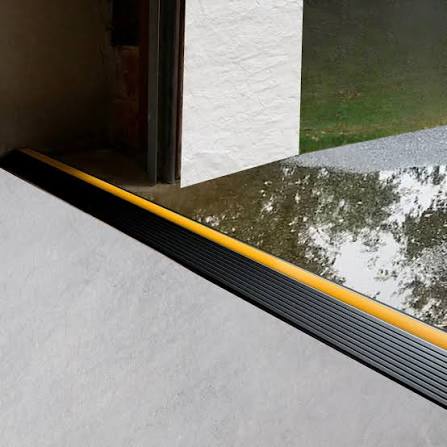
The most effective solution for how to keep water from getting under garage door is installing a dedicated threshold seal. This specialized barrier sits directly on your garage floor and creates a watertight connection with the bottom of your garage door.
Types of Threshold Seals
| Seal Type | Material | Durability | Installation Difficulty | Cost Range |
|---|---|---|---|---|
| Rubber Threshold | Heavy-duty rubber | 5-7 years | Easy (DIY-friendly) | $30-$60 |
| Vinyl Bottom Seal | Flexible vinyl | 3-5 years | Moderate | $20-$40 |
| Aluminum Channel | Aluminum + rubber insert | 10+ years | Complex (may need pro) | $80-$150 |
| Foam Weatherstrip | Closed-cell foam | 2-3 years | Very easy | $10-$25 |
Rubber threshold seals are generally recommended by professionals because they offer the best balance of durability, flexibility, and water resistance. Look for products made from EPDM (ethylene propylene diene monomer) rubber, which resists UV damage, extreme temperatures, and chemical degradation.
Step-by-Step Installation Guide
- Clean the area thoroughly: Sweep and wash the garage floor where the seal will be installed. Remove all dirt, debris, and old adhesive residue. Allow the surface to dry completely.
- Measure accurately: Measure the width of your garage door opening. Add 2-3 inches to each side for proper overlap. Most standard single-car garage doors are 8-9 feet wide, while double-car doors range from 16-18 feet.
- Cut the seal to size: Use a utility knife or heavy-duty scissors to cut the threshold seal to your measured length. Make clean, straight cuts to ensure a tight fit.
- Apply adhesive: If your seal doesn’t come with pre-applied adhesive, use a high-quality construction adhesive designed for outdoor use. Apply a continuous bead along the bottom edge of the seal.
- Position and press: Align the seal with the garage door threshold, ensuring it extends slightly beyond both sides of the door opening. Press firmly along the entire length, applying even pressure for 30-60 seconds.
- Allow curing time: Let the adhesive cure for at least 24 hours before exposing it to water or closing the garage door repeatedly. Check manufacturer specifications for exact curing times.
For more information about building materials and their properties, you can visit Wikipedia’s page on weatherstripping.
Improve Drainage Around Your Garage
Even the best threshold seal won’t help if water pools excessively around your garage entrance. Proper drainage is crucial for long-term success when learning how to keep water from getting under garage door.
Create Positive Slope Away from Garage
Your driveway and surrounding concrete should slope away from the garage at a minimum gradient of 1/4 inch per foot. This means for every foot of distance from your garage door, the ground should drop at least 1/4 inch. Use a level and measuring tape to check your current slope:
- Place a 4-foot level on the driveway near the garage door
- One end should touch the ground at the garage threshold
- The other end should show a gap of at least 1 inch (4 feet × 1/4 inch = 1 inch)
If your slope is insufficient, consider these corrective measures:
Resurface the driveway: Apply a new layer of concrete or asphalt with proper grading. This is the most permanent solution but also the most expensive, typically costing $4-$8 per square foot.
Install channel drains: These linear drainage systems capture surface water before it reaches your garage door. Position them 2-3 feet in front of the garage entrance and connect them to your existing drainage system or a dry well.
Add French drains: For properties with severe water issues, underground French drains can redirect subsurface water away from your foundation. Dig a trench 18-24 inches deep, fill it with gravel, and install perforated pipe sloped away from the garage.
Upgrade Your Garage Door Weatherstripping
While threshold seals handle water at ground level, comprehensive protection requires addressing all potential entry points. The vertical sides and top of your garage door also need proper sealing.
Replace Old Weatherstripping
Inspect your existing weatherstripping for cracks, tears, or compression. If it’s more than five years old or shows visible wear, replacement is recommended. Here’s what to look for:
- Bottom seal: Should make firm contact with the threshold across the entire width
- Side seals: Should compress slightly when the door closes, creating a snug fit
- Top seal: Often overlooked but critical for preventing wind-driven rain
Choose weatherstripping made from silicone or EPDM rubber rather than cheap vinyl options. These materials maintain flexibility in cold weather and resist deterioration from sunlight and ozone exposure.
Maintain Regular Inspection Schedule
Set a reminder to inspect your garage door seals twice yearly—once in spring after winter weather and once in fall before rainy season begins. Look for:
- Cracks or splits in rubber components
- Gaps between seal and door/frame
- Signs of water staining on interior walls
- Mold or mildew growth near door edges
Replace any compromised sections immediately rather than waiting for complete failure.
Additional Protective Measures
Beyond seals and drainage, several supplementary strategies can enhance your defense against water intrusion:
Install a garage door sweep: Similar to door sweeps used on exterior house doors, these flexible strips attach to the bottom interior of your garage door and drag along the floor, blocking water and debris.
Apply waterproof coating: Seal your garage floor with epoxy or polyurethane coating to prevent water absorption and make cleanup easier if minor leakage occurs.
Use absorbent barriers: Place commercial-grade absorbent socks or booms along the garage threshold during severe storms as temporary emergency protection.
Maintain gutters and downspouts: Ensure roof gutters are clean and downspouts direct water at least 6 feet away from your garage foundation. Clogged gutters overflow directly onto areas near your garage door.
FAQ Section
Q: How often should I replace my garage door threshold seal?
A: Most quality threshold seals last 5-7 years under normal conditions. However, inspect them annually and replace sooner if you notice cracking, hardening, or visible gaps. Harsh climates with extreme temperature fluctuations may require more frequent replacement every 3-4 years.
Q: Can I install a threshold seal myself, or do I need a professional?
A: Installing a threshold seal is a straightforward DIY project that most homeowners can complete in 1-2 hours. You’ll need basic tools like a utility knife, measuring tape, and possibly a caulking gun. Professional installation is only necessary if you’re dealing with complex drainage issues or uneven floors that require custom solutions.
Q: Will a threshold seal prevent all water from entering my garage?
A: While threshold seals significantly reduce water intrusion, they work best as part of a comprehensive approach. Combine them with proper drainage, maintained weatherstripping, and correct grading for maximum effectiveness. In extreme flooding situations, no seal can guarantee 100% protection, but proper installation handles typical rain and snowmelt effectively.
Q: What’s the difference between a threshold seal and regular weatherstripping?
A: Threshold seals are specifically designed to handle ground-level water and create a barrier between the garage floor and door bottom. They’re typically thicker, more durable, and angled to deflect water away. Regular weatherstripping focuses on sealing air gaps along the sides and top of the door and isn’t designed to withstand standing water or heavy pressure from vehicle traffic.
Q: How much does it cost to professionally waterproof a garage door area?
A: Professional garage door waterproofing typically ranges from $200 to $600, depending on the methods used and severity of the problem. This usually includes threshold seal installation, weatherstripping replacement, and basic drainage improvements. More extensive work like driveway resloping or French drain installation can cost $1,000-$3,000+.
Q: Can water under my garage door damage my home’s foundation?
A: Yes, persistent water intrusion under your garage door can lead to foundation problems over time. Water saturates soil around your foundation, causing expansion and contraction that leads to cracks, settling, and structural weakness. Additionally, moisture in the garage promotes mold growth, rust on vehicles and tools, and deterioration of stored items. Addressing water issues promptly protects your entire home’s structural integrity.
Conclusion
Learning how to keep water from getting under garage door doesn’t require expensive renovations or professional contractors in most cases. By installing a quality threshold seal, improving drainage around your garage, upgrading weatherstripping, and maintaining regular inspections, you can effectively protect your garage from water damage. These proactive measures not only safeguard your belongings and vehicle but also preserve your home’s value and structural integrity.
Start with the simplest solution—a rubber threshold seal—and assess your results. If water problems persist, gradually implement additional strategies like drainage improvements and comprehensive weatherstripping upgrades. Remember, prevention is always more cost-effective than repair.
Found this guide helpful? Share it with friends and neighbors who might be struggling with similar garage flooding issues. Together, we can help more homeowners protect their properties from water damage!
Leave a Reply