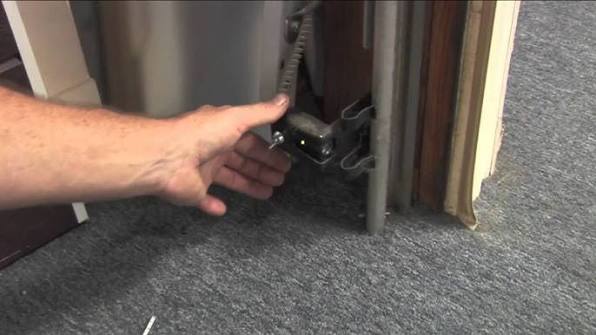
There are few things more frustrating than pressing your remote and watching your garage door stop halfway or reverse immediately. If you are currently searching for how to fix a garage door that will not close, you are likely dealing with a safety sensor issue, a misaligned track, or a simple limit switch error. We understand the urgency of securing your home, and this guide provides safe, actionable steps to diagnose and resolve the problem without unnecessary service calls.
Why Won’t My Garage Door Close All the Way? (Common Causes)
Before grabbing tools, it is vital to understand why the door is failing. Modern garage doors are equipped with redundant safety systems designed to prevent injury or property damage. According to industry data, over 80% of “door won’t close” issues are related to safety sensors rather than mechanical failure.
Here is a quick diagnostic table to help you identify the culprit:
| Symptom | Likely Cause | Difficulty Level |
|---|---|---|
| Door reverses immediately after touching floor | Limit switch misalignment | Easy |
| Lights flash on motor unit; door won’t move | Safety sensor obstruction/misalignment | Easy |
| Door stops halfway and hums | Broken spring or track obstruction | Hard/Dangerous |
| Remote works but wall button doesn’t | Wiring or control board issue | Medium |
| Door closes unevenly or crookedly | Track misalignment or roller damage | Medium |
Understanding these distinctions saves time. As noted in general engineering principles regarding automated safety systems, modern openers manufactured after 1993 must include photoelectric eyes that halt operation if the beam is broken. This federal mandate means sensor issues should always be your first checkpoint.
How Do I Check and Align Garage Door Safety Sensors?
The most frequent answer to how to fix a garage door that will not close lies in the small black boxes mounted near the floor on either side of the door. These photoelectric sensors create an invisible beam; if anything breaks it—including dust, spiderwebs, or misalignment—the door refuses to close as a safety precaution.
Step-by-Step Sensor Troubleshooting
- Inspect for Obstructions: Wipe the lens of both sensors with a clean microfiber cloth. Remove any leaves, dirt, or cobwebs blocking the path.
- Check Indicator Lights: Most sensors have LED lights. Typically, a solid green light indicates alignment, while a blinking red or amber light signals a problem. Consult your specific manual, as colors vary by brand.
- Verify Alignment: Gently adjust the sensor brackets until both LEDs glow steadily. Even a millimeter of shift can break the beam. Use a level to ensure they are at the exact same height (usually 4–6 inches above the ground).
- Test the Beam: Wave an object between the sensors while attempting to close the door. If the door reverses when the beam is blocked, the sensors are functioning correctly. If it still won’t close despite clear alignment, check the wiring for frays or loose connections at the motor head.
⚠️ Safety Warning: Never tape over or bypass sensors to force the door closed. This disables critical safety features and creates severe pinch-point hazards for children and pets.
How to Adjust Garage Door Travel Limits Correctly
If your sensors are perfectly aligned but the door reverses just before hitting the floor, the travel limit switches need adjustment. The opener thinks the door has hit an obstacle because it hasn’t been told where the actual floor is.
Precise Adjustment Instructions
- Locate the limit adjustment screws on the motor unit, usually labeled “Up” and “Down.”
- Using a flathead screwdriver, turn the “Down” screw clockwise in small increments (¼ turn at a time). Clockwise typically increases travel distance; counter-clockwise decreases it.
- Test the door after each adjustment. Allow the full cycle to complete before making further changes.
- Stop adjusting when the door seals evenly against the weatherstripping without excessive force. Over-adjusting can damage the door panels or burn out the motor.
This process requires patience. Rushing leads to stripped gears or damaged sections. If adjustments don’t resolve the issue after 5–6 attempts, the problem may be mechanical rather than electronic.
When Is It Unsafe to DIY Garage Door Repairs?
While learning how to fix a garage door that will not close empowers homeowners, certain repairs demand professional intervention. Garage doors are the largest moving objects in most homes, under extreme tension.
Call a certified technician immediately if you observe:
- Broken torsion springs: These store immense kinetic energy. Attempting replacement without proper winding bars and training can cause fatal injuries.
- Snapped cables: Cables work in tandem with springs; failure indicates systemic stress.
- Bent tracks: Straightening aluminum or steel tracks requires specialized equipment to avoid compromising structural integrity.
- Motor grinding or burning smells: Internal gear or capacitor failures require electrical diagnostics beyond basic troubleshooting.
Statistics from the Consumer Product Safety Commission indicate thousands of emergency room visits annually related to garage door accidents, predominantly involving spring and cable failures. Prioritize safety over savings.
Can Weather Affect Garage Door Operation?
Absolutely. Temperature extremes significantly impact garage door performance, especially in regions with harsh winters or humid summers.
- Cold Weather: Metal tracks contract, lubricants thicken, and rubber weatherstripping hardens. Apply silicone-based lubricant (not WD-40) to rollers and hinges rated for -40°F. Inspect bottom seals for brittleness.
- Heat & Humidity: Wood doors swell, increasing friction. Steel tracks may expand slightly. Ensure adequate ventilation and consider dehumidification if moisture buildup is chronic.
- Sun Exposure: Direct sunlight on sensors can overwhelm infrared receivers. Install sun shields or reposition sensors to avoid direct afternoon glare.
Seasonal maintenance prevents many “won’t close” scenarios before they start. Schedule biannual inspections to catch wear early.
Frequently Asked Questions About Garage Doors That Won’t Close
1. Why does my garage door close then reopen immediately?
This is almost always a limit switch issue. The opener believes the door encountered resistance because the down limit is set too high. Adjust the down limit screw incrementally as described above. Also verify nothing is pressing against the door when fully closed, including uneven concrete or thick weatherstripping.
2. How often should I test my garage door safety sensors?
Test monthly. Place a roll of paper towels or a shoebox in the door’s path and attempt to close. The door must reverse instantly upon beam interruption. If it doesn’t, stop using the automatic function until repaired. Regular testing ensures compliance with safety standards and protects your household.
3. Does disconnecting power reset a garage door opener?
Sometimes. Unplugging the unit for 30 seconds can clear temporary logic errors in older models. However, modern units with battery backups may retain memory. After reconnecting, you may need to reprogram remotes and reset travel limits. Refer to your model’s manual for specific reset procedures.
4. Can a weak remote battery prevent the door from closing?
Yes, indirectly. Weak batteries send inconsistent signals that the opener interprets as interference or incomplete commands. Replace remote batteries annually with premium alkaline cells. If problems persist after fresh batteries, the remote itself or the receiver board may need replacement.
5. What lubricant should I use on garage door components?
Use white lithium grease or silicone spray specifically formulated for garage doors. Avoid petroleum-based products like WD-40, which attract dust and degrade rubber parts over time. Lubricate rollers, hinges, and bearings every six months—but never lubricate the tracks themselves, as this attracts debris that causes binding.
6. How long does a typical garage door opener last?
Most quality openers last 10–15 years with proper maintenance. If yours is older and experiencing repeated closure failures despite sensor and limit adjustments, internal wear is likely. Replacement is often more cost-effective than repairing obsolete units lacking current safety features.
Secure Your Home Today
Learning how to fix a garage door that will not close restores peace of mind and protects your property. By systematically checking sensors, adjusting limits, and recognizing when to call professionals, you maintain both safety and functionality. Remember: consistent maintenance prevents emergencies, and no convenience is worth risking injury.
Found this guide helpful? Share it on Facebook, X (Twitter), or Pinterest to help fellow homeowners avoid late-night garage door panic! Tag us with your success stories—we love seeing DIY wins. Stay safe, stay secure, and keep those doors closing smoothly. 🏡🔧
Leave a Reply