Have you ever heard that annoying rattling sound coming from your garage every time the door opens or closes? Or perhaps you’ve noticed your garage door struggling to move smoothly, leaving you frustrated and concerned about potential damage. If you’re asking yourself “how tight should a garage door opener chain be,” you’re not alone—this is one of the most common questions homeowners face when maintaining their garage doors. Proper chain tension is crucial for smooth operation, longevity, and safety, yet many people overlook this simple yet vital aspect of garage door maintenance.
Why Does Garage Door Opener Chain Tension Matter?
Before diving into the specifics of chain tension, it’s important to understand why it matters so much. The chain in your garage door opener is responsible for transferring power from the motor to the trolley, which moves the door up and down. If the chain is too loose, it can slip, cause excessive noise, or even derail. On the other hand, if it’s too tight, it puts unnecessary strain on the motor and other components, leading to premature wear and tear.
According to industry experts, improper chain tension accounts for nearly 30% of garage door opener issues reported annually. This statistic highlights just how critical proper maintenance is for ensuring your garage door operates efficiently and safely.
Signs Your Chain Is Too Loose
- Excessive rattling or clanking noises during operation.
- Visible sagging in the middle of the chain.
- Difficulty opening or closing the door smoothly.
Signs Your Chain Is Too Tight
- Unusual grinding sounds from the motor.
- Increased energy consumption by the opener.
- Premature wear on sprockets and gears.
How Tight Should A Garage Door Opener Chain Be?
The golden rule for garage door opener chain tension is simple: the chain should have about ¼ to ½ inch of slack when measured at its midpoint. This slight amount of play ensures smooth operation without putting undue stress on the system.
To check the tension:
- Turn off the garage door opener to prevent accidental activation.
- Locate the center point of the chain between the motor unit and the trolley.
- Gently push the chain upward with your finger. It should move freely but not excessively.
If the chain moves more than ½ inch, it’s too loose. If it barely moves at all, it’s too tight. Adjustments are straightforward and can often be done with basic tools.
Step-by-Step Guide to Adjusting Chain Tension
Adjusting your garage door opener chain doesn’t require advanced technical skills. Follow these steps carefully to achieve optimal tension:
Tools You’ll Need:
- Adjustable wrench or socket set
- Ladder (if necessary)
- Flashlight (for better visibility)
Steps:
- Disconnect Power: Always start by unplugging the garage door opener or turning off the circuit breaker to ensure safety.
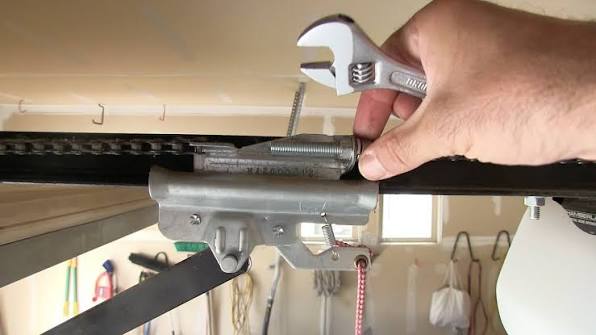
- Locate Adjustment Bolts: Find the two bolts near the motor unit that control chain tension. These are usually located on either side of the rail.
- Loosen the Bolts Slightly: Use your wrench to loosen both bolts slightly. Do not remove them completely.
- Adjust the Chain:
- To tighten the chain, turn the adjustment screw clockwise.
- To loosen the chain, turn the adjustment screw counterclockwise.
- Check Slack: After making adjustments, measure the slack again using the ¼ to ½ inch guideline.
- Tighten Bolts Securely: Once satisfied with the tension, retighten the bolts securely.
- Test the Door: Reconnect power and test the garage door several times to ensure smooth operation.
For visual learners, here’s a quick comparison table:
| Condition | Slack Measurement | Action Required |
|---|---|---|
| Too Loose | More than ½ inch | Tighten the chain |
| Ideal | ¼ to ½ inch | No action needed |
| Too Tight | Less than ¼ inch | Loosen the chain |
Common Mistakes to Avoid When Adjusting Chain Tension
Even experienced DIYers can make mistakes when adjusting garage door chains. Here are some pitfalls to watch out for:
- Over-tightening: This is the most common error. Over-tightened chains put excessive pressure on the motor and gears, leading to costly repairs.
- Ignoring Regular Maintenance: Chains stretch over time due to regular use. Checking tension every six months can prevent major issues.
- Using Incorrect Tools: Using improper tools can strip bolts or damage components. Stick to recommended sizes and types.
As noted in Wikipedia’s article on garage door openers, regular maintenance significantly extends the lifespan of these systems. By avoiding these common mistakes, you can save money and hassle in the long run.
Benefits of Proper Chain Tension
Maintaining the correct chain tension offers numerous benefits beyond just smoother operation:
- Reduced Noise: A properly tensioned chain minimizes rattling and clanking sounds.
- Extended Lifespan: Components like motors, gears, and sprockets last longer under optimal conditions.
- Improved Safety: Ensures reliable performance, reducing the risk of accidents or malfunctions.
- Energy Efficiency: Prevents unnecessary strain on the motor, lowering electricity usage.
FAQ Section
Q1: How often should I check my garage door opener chain tension?
A: It’s recommended to check chain tension every six months or whenever you notice unusual noises or performance issues.
Q2: Can I adjust the chain tension myself, or do I need a professional?
A: Most homeowners can safely adjust chain tension themselves using basic tools. However, if you’re unsure or encounter complications, consult a professional technician.
Q3: What happens if I ignore a loose or tight chain?
A: Ignoring improper chain tension can lead to increased wear on components, higher repair costs, and potential safety hazards.
Q4: Is there a difference between chain-driven and belt-driven openers regarding tension?
A: Yes, belt-driven openers don’t require tension adjustments since they rely on rubber belts instead of metal chains. Chain-driven models, however, need periodic checks.
Q5: Can weather affect chain tension?
A: Extreme temperatures can cause materials to expand or contract, potentially affecting chain tension. Regular inspections help mitigate this issue.
Q6: What should I do if my chain keeps loosening after adjustment?
A: Persistent loosening may indicate worn-out components or misalignment. In such cases, consider replacing old parts or seeking professional assistance.
Conclusion
Properly maintaining your garage door opener chain is an essential task that pays dividends in terms of performance, durability, and peace of mind. By understanding how tight should a garage door opener chain be, you can avoid common problems and extend the life of your system. Remember, a little effort goes a long way—regular checks and minor adjustments can save you from expensive repairs down the line.
If you found this guide helpful, share it with friends and family who might benefit from learning about garage door maintenance. Together, we can keep our homes safe and efficient!
Leave a Reply