
Have you ever struggled to lift your garage door manually or noticed it slamming shut unexpectedly? These issues often point to an imbalance between the door’s actual weight and the tension provided by its springs. Understanding how much should a garage door weigh with springs is crucial for ensuring smooth operation, preventing premature wear, and maintaining household safety.
Why Garage Door Weight Matters More Than You Think
Many homeowners assume that garage door springs are universal, but this misconception can lead to dangerous situations. The springs are not just accessories; they are counterbalance systems designed to offset the heavy weight of the door panels, hardware, and tracks.
When the spring tension matches the door’s weight, the door feels “weightless” when lifted manually. If the springs are too weak, the opener motor strains, leading to burnout. If they are too strong, the door may reverse unexpectedly or crash down. According to industry standards, a properly balanced door should stay in place when lifted halfway open.
Average Garage Door Weights by Material
To determine the correct spring specification, you first need to know the base weight of your door. Different materials have significantly different densities and structural requirements.
| Door Material | Estimated Weight (Single Car) | Estimated Weight (Double Car) |
|---|---|---|
| Steel (Standard) | 130–150 lbs | 200–250 lbs |
| Aluminum/Glass | 100–120 lbs | 180–220 lbs |
| Wood (Composite) | 150–180 lbs | 250–300 lbs |
| Solid Wood | 200–250 lbs | 300–400+ lbs |
Note: These weights include standard hardware but do not account for additional insulation or windows.
Steel doors remain the most popular choice in the US due to their durability and cost-effectiveness. However, if you have a custom wood door, the weight can vary drastically depending on the type of timber used. For more detailed information on door construction materials, you can refer to Wikipedia’s entry on Garage Doors.
Types of Springs and Their Weight Capacities
There are two primary types of garage door springs, each handling weight differently. Understanding which system you have is the first step in answering how much should a garage door weigh with springs.
Torsion Springs
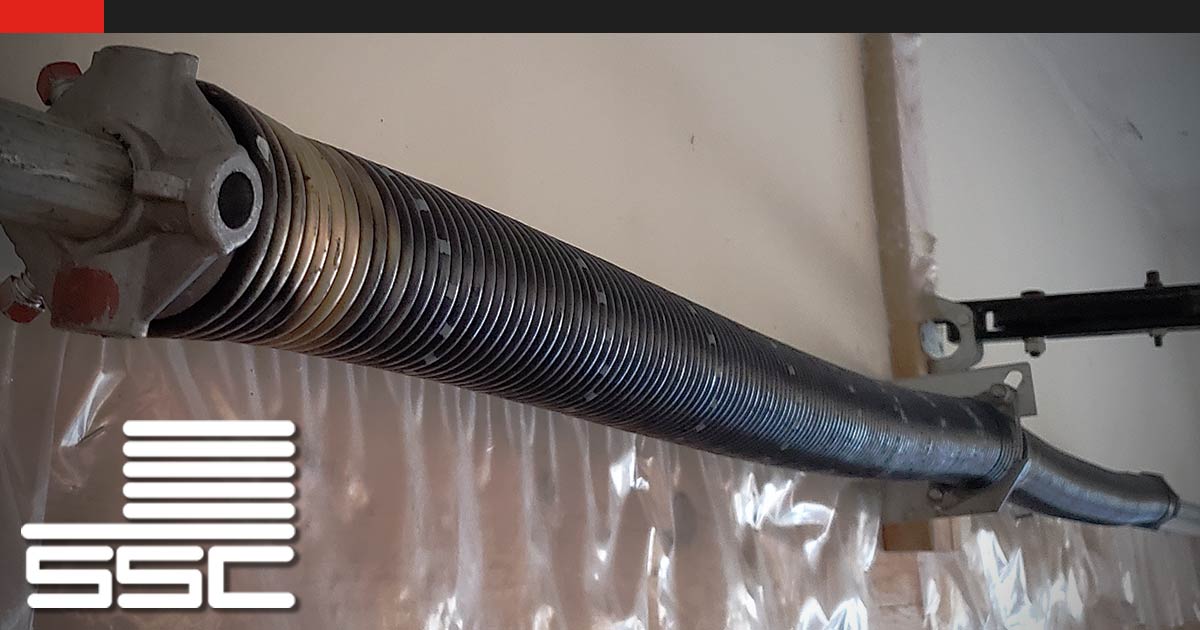
Located above the door opening on a metal shaft, torsion springs are the modern standard. They work by twisting (torque) to store energy.
- Weight Capacity: Typically handle 100–400+ lbs per spring.
- Lifespan: Rated by cycles (e.g., 10,000, 25,000, or 50,000 cycles).
- Precision: Offer more precise balancing for heavier doors.
Extension Springs
Mounted on both sides of the horizontal track, these springs stretch to provide lift.
- Weight Capacity: Usually rated for lighter doors (up to 200 lbs per pair).
- Safety Concern: Require safety cables to prevent injury if the spring snaps.
- Usage: Common in older homes or budget installations.
How to Calculate the Correct Spring Size
Determining the right spring isn’t just about guessing the weight. Professionals use specific measurements to calculate the required torque. If you are looking to replace springs yourself, accuracy is vital.
Step 1: Measure the Door Weight
If you don’t know the manufacturer’s specifications, you can estimate the weight by disconnecting the opener and lifting the door manually. Use a bathroom scale under the bottom edge of the door while lifting it slightly off the ground. Multiply the reading by the number of points you’re lifting (usually two people needed for accuracy).
Step 2: Identify Spring Dimensions
For torsion springs, you need three key measurements:
- Wire Size: Measured in inches (e.g., 0.250″, 0.218″). This determines the strength.
- Inside Diameter (ID): Must match the cone size on the shaft (usually 1.75″ or 2″).
- Length: Measured in inches (e.g., 24″, 30″). Longer springs provide more cycles and smoother operation.
Step 3: Determine the Number of Turns
The number of quarter-turns applied to the spring dictates the tension. A standard 7-foot door usually requires about 30–35 quarter-turns. Each additional turn increases the lifting force by approximately 10–15 lbs.
Signs Your Springs Are Not Matching the Door Weight
Even if you know how much should a garage door weigh with springs, real-world conditions change over time. Rust, temperature fluctuations, and daily wear can alter performance. Watch for these red flags:
- Door Slams Shut: The springs are too weak or have lost tension.
- Opener Strains or Humms: The motor is doing all the work because the springs aren’t helping.
- Door Doesn’t Stay Open: If you lift the door to chest height and let go, it should stay put. If it falls, the springs are under-tensioned.
- Gap in Spring Coils: When the door is closed, there should be no gaps between the coils of a torsion spring. Gaps indicate over-stretching or incorrect installation.
Safety First: Why Professional Help Is Often Best
Garage door springs are under extreme tension. A broken torsion spring can release enough energy to cause severe injury or property damage. The Department of Consumer Affairs in many US states recommends professional installation for spring replacements.
If you decide to proceed with DIY adjustments, always use winding bars specifically designed for torsion springs. Never use screwdrivers or makeshift tools, as they can slip and cause the bar to whip back violently.
FAQ Section
1. Can I add more weight to my garage door without changing springs?
No. Adding insulation, windows, or heavier hardware increases the door’s weight. If you exceed the spring’s capacity, the opener will fail prematurely, and the door may become unsafe to operate. You must upgrade the springs to match the new total weight.
2. How often should garage door springs be replaced?
Most standard springs are rated for 10,000 cycles (one cycle = one open and one close). For an average family, this equals 7–10 years. High-cycle springs (25,000+) can last 15–20 years. Regular lubrication can extend their lifespan.
3. What happens if the springs are too heavy for the door?
If the springs provide too much lift, the door may fly up rapidly when opened, potentially damaging the top rollers or the opener carriage. It may also fail to close completely, reversing before hitting the floor. This is a significant safety hazard for children and pets.
4. Do temperature changes affect garage door spring weight capacity?
Yes. Metal expands and contracts with temperature. In cold weather, springs become stiffer and may feel tighter, while in hot weather, they may lose some tension. This is why doors often feel heavier in winter. Properly sized springs account for these normal fluctuations.
5. Can I use one large spring instead of two smaller ones?
While single-spring systems exist, dual-spring systems are preferred for double-car doors. They provide better balance, reduce stress on the center bracket, and offer redundancy. If one spring breaks in a dual system, the door may still be operable (with caution) until repairs are made.
Conclusion
Understanding how much should a garage door weigh with springs is essential for maintaining a safe and functional home entrance. By matching the spring tension to the door’s material and size, you ensure smooth operation, extend the life of your opener, and prevent costly repairs.
Remember, while DIY projects can be rewarding, garage door springs involve high-tension mechanics that demand respect and precision. If you’re unsure about the weight or spring specifications, consult a certified technician.
Did you find this guide helpful? Share it with your neighbors on social media to help them keep their garage doors running smoothly and safely!
Leave a Reply