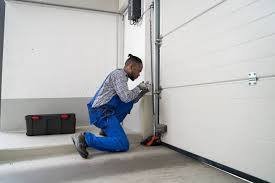
A broken garage door can disrupt your entire day, trap your car inside, and compromise your home’s security. If you are stressing over your unexpected budget, you are probably wondering exactly how much it cost to fix a garage door and whether you can handle the repair yourself. Let us break down the real costs and solutions so you can make an informed, stress-free decision.
How Much It Cost To Fix A Garage Door on Average?
When your garage door breaks, your first thought is usually about your wallet. According to recent industry data, the national average to repair a garage door ranges between $150 and $350, with most homeowners spending around $250.
However, the exact price depends heavily on the broken component. Here is a quick comparison table to give you a clear idea of what to expect:
| Repair Type | Average Cost (Parts + Labor) | Difficulty Level |
|---|---|---|
| Torsion Spring | $200 – $350 | High (Pro only) |
| Extension Spring | $100 – $200 | Medium |
| Cables | $150 – $250 | High (Pro only) |
| Rollers | $120 – $200 | Low to Medium |
| Opener Repair | $100 – $300 | Low to Medium |
| Track Alignment | $150 – $200 | Medium |
As you can see, spring replacements make up the bulk of the expenses. Understanding the mechanics of a standard garage door can help you identify which part is failing before you call a technician.
What Are the Most Common Garage Door Repairs?
To understand your bill, you need to know what actually breaks. Let us look at the most frequent culprits.
1. Broken Springs
Springs bear the entire weight of the door. Torsion springs are mounted above the door, while extension springs run parallel to the tracks.
- Lifespan: A standard spring is rated for 10,000 cycles (one cycle = opening and closing). If you use your door four times a day, expect to replace them every 7 to 10 years.
2. Snapped Cables
Lift cables work in tandem with the springs to hoist the door. If a spring breaks, the sudden tension often snaps the cables.
- Note: Never operate the door if a cable is frayed or loose. It can cause the door to crash down unexpectedly.
3. Worn-Out Rollers
If your door is shaking or making a terrible racket, the rollers are likely to blame. Nylon rollers are quieter and last longer than steel ones. Replacing them is a relatively cheap fix that drastically improves performance.
DIY vs. Hiring a Professional: Which is Cheaper?
Many homeowners want to save money by doing it themselves. But is it actually cheaper? Let us look at the pros and cons.
DIY Repairs
- Pros: Saves $50–$100 on labor costs; highly rewarding for minor tweaks like lubricating tracks or replacing weatherstripping.
- Cons: High risk of personal injury, voids manufacturer warranties, and requires buying specialized tools.
Hiring a Professional
- Pros: Guaranteed safety, includes a labor warranty (usually 1 year), and the job is done in under an hour.
- Cons: Higher upfront cost, requires scheduling an appointment.
“Never attempt to replace a high-tension torsion spring yourself. The stored kinetic energy is high enough to cause severe injury or even death if the winding bars slip,” warns John Miller, a certified master technician with the International Door Association (IDA).
The Verdict: For sensor alignment, roller replacement, and lubrication, DIY is great. For springs, cables, and track bending, always hire a pro. The medical bills from a DIY accident far outweigh the $100 you save on labor.
Step-by-Step Guide: How to Fix a Misaligned Garage Door Sensor
Before you call a pro for a door that “won’t close,” check the safety sensors. Often, they just get bumped out of alignment. Here is how to fix it yourself in under 10 minutes.
Step 1: Locate the photo-eye sensors mounted on both sides of the metal door track. They should be exactly 6 inches above the ground. Step 2: Check the LED lights. If one is blinking or off, it is misaligned or dirty. Step 3: Use a soft microfiber cloth to gently wipe the sensor lenses. Dust and spiderwebs are common culprits. Step 4: Loosen the wing nut on the bracket just enough to move the sensor. Step 5: Gently adjust the sensor until the LED light glows solid (usually green or amber, depending on the brand). Step 6: Tighten the wing nut by hand. Do not over-tighten, as this can shift the bracket again. Test the door with your remote.
How to Save Money on Garage Door Repairs
Preventative maintenance is the ultimate hack to keep your repair costs low.
- Lubricate Bi-Annually: Every six months, apply a silicone-based lubricant to the springs, hinges, and rollers. Never use WD-40, as it attracts dust and gums up the parts.
- Test the Auto-Reverse: Place a 2×4 piece of wood flat on the ground under the door. Close the door. It should immediately reverse upon touching the wood. If it doesn’t, adjust the sensitivity screws on the opener motor.
- Tighten the Hardware: The constant vibration of the door can loosen bolts over time. Take a socket wrench and tighten all roller brackets and track bolts once a year.
Frequently Asked Questions
1. Is it cheaper to repair or replace a garage door?
Generally, repairing is much cheaper. A full door replacement costs between $800 and $3,000. However, if your door is over 20 years old, heavily dented, or requires multiple major repairs at once, replacing the entire unit might be more cost-effective in the long run due to improved energy efficiency and security.
2. How long do garage door springs last?
Standard steel springs last for about 10,000 cycles, which translates to roughly 7 to 10 years for an average household. If you upgrade to high-cycle springs (rated for 25,000 to 50,000 cycles), they can last up to 15 years or more.
3. Does homeowners insurance cover garage door repair?
Usually, no. Homeowners insurance considers garage door wear and tear to be a maintenance issue. However, if the door was damaged by a covered peril—like a lightning strike, a fallen tree, or a severe hailstorm—your insurance will likely cover the replacement costs minus your deductible.
4. Why is my garage door so loud when opening?
A loud garage door is usually caused by a lack of lubrication, worn-out metal rollers, or loose track hardware. Switching from metal rollers to nylon rollers and applying a silicone-based lubricant will make your door whisper-quiet.
5. Can I fix a garage door off its track myself?
If the door has completely derailed, do not attempt to fix it yourself. A derailed door is extremely heavy and unstable. Trying to force it back onto the track without releasing the spring tension can cause the door to collapse, leading to severe property damage or physical injury. Call a professional immediately.
Conclusion
Knowing how much it cost to fix a garage door empowers you to budget correctly and avoid being overcharged by dishonest contractors. By understanding the average costs, recognizing common issues, and performing basic maintenance, you can extend the life of your door and keep your wallet happy. Remember, when it comes to high-tension parts like springs, always prioritize safety and hire a certified expert.
Leave a Reply