Have you ever woken up to the startling sound of a loud bang from your garage, only to find your car trapped inside? It is a frustrating and potentially dangerous situation that many homeowners face. If you are dealing with this issue, you are likely asking yourself: how much does a broken garage door spring cost? Understanding the pricing breakdown can help you make an informed decision quickly and safely.
Understanding the Two Main Types of Garage Door Springs
Before diving into the costs, it is crucial to identify which type of spring your garage door uses. The price varies significantly depending on whether you have torsion springs or extension springs.
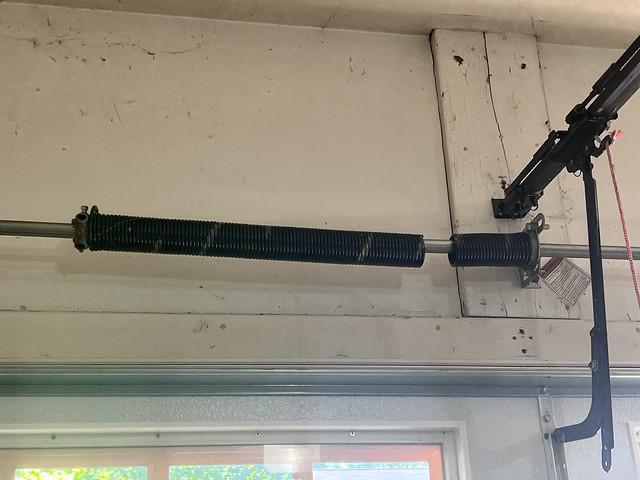
Torsion Springs
Torsion springs are mounted horizontally above the garage door opening. They are wound tightly and use torque to lift the heavy door. These springs are generally more durable, lasting between 15,000 to 20,000 cycles (one cycle equals one open and close). However, they are also more complex to replace due to the high tension involved.
Extension Springs
Extension springs are located on both sides of the door, running parallel to the horizontal tracks. They stretch to provide lifting force. While they are typically cheaper than torsion springs, they have a shorter lifespan (around 10,000 cycles) and can be more dangerous if they snap unexpectedly, as they may fly across the garage.
Average Cost Breakdown for Replacement
The total cost to replace a broken garage door spring depends on several factors, including the type of spring, the weight of your door, and your geographic location. Below is a detailed breakdown of what you can expect to pay in 2026.
| Service Component | Low-End Estimate | High-End Estimate |
|---|---|---|
| Single Extension Spring | $80 | $130 |
| Pair of Extension Springs | $150 | $250 |
| Single Torsion Spring | $200 | $350 |
| Pair of Torsion Springs | $350 | $550 |
| Labor Costs | $100 | $200 |
| Total Average Cost | $250 | $750 |
Note: Prices include parts and professional labor. Emergency or after-hours services may incur additional fees.
Why Do Torsion Springs Cost More?
Torsion springs are engineered to handle heavier doors and provide smoother operation. The installation process requires specialized tools, such as winding bars, and precise calibration to ensure the door is balanced correctly. This complexity justifies the higher labor and material costs compared to extension springs.
Factors That Influence the Final Price
Several variables can cause the final bill to fluctuate. Being aware of these can help you budget accurately.
1. Door Weight and Size
Heavier doors, such as those made of solid wood or insulated steel, require stronger springs with higher poundage ratings. These custom-sized springs are more expensive than standard ones used for lightweight aluminum doors.
2. Number of Springs
Most modern garage doors use two springs to distribute the load evenly. If one breaks, it is often recommended to replace both, even if the other appears intact. Since they were installed at the same time, the second spring is likely near the end of its life cycle. Replacing both prevents another service call in the near future.
3. Geographic Location
Labor rates vary by region. Homeowners in major metropolitan areas like New York or San Francisco will typically pay more for labor than those in rural areas. Additionally, local demand can affect pricing during peak seasons.
4. Brand and Quality
Premium brands like Wayne Dalton or Dura-Lift offer springs with longer warranties and better corrosion resistance. While they may cost 10–15% more upfront, they often provide better long-term value.
DIY vs. Professional Repair: Is It Worth the Risk?
One of the most common questions homeowners ask is whether they can save money by replacing the spring themselves. Let’s look at the pros and cons.
The Case for Professional Repair
- Safety First: Garage door springs are under extreme tension. A slipped winding bar can cause severe injury or even death. Professionals have the training and safety gear to handle this risk.
- Warranty Protection: Most professional repairs come with a warranty on both parts and labor. If something goes wrong, you are covered.
- Correct Calibration: A pro will ensure the door is perfectly balanced, which extends the life of your opener and other components.
The Case for DIY
- Cost Savings: You can save $100–$200 on labor costs.
- Learning Experience: For handy individuals, it can be a satisfying project.
Expert Verdict: Unless you have prior experience with high-tension mechanical systems, DIY replacement is strongly discouraged. The potential medical costs from an accident far outweigh the savings on labor. For more information on garage door mechanics and safety standards, you can refer to general engineering principles outlined on Wikipedia.
Signs Your Garage Door Spring Is About to Break
Prevention is always cheaper than repair. Watch out for these warning signs:
- Loud Bangs or Pops: A sudden noise often indicates a spring has snapped.
- Door Won’t Open: If the opener runs but the door doesn’t move, the spring is likely broken.
- Uneven Movement: The door may jerk or tilt to one side during operation.
- Visible Gaps: In torsion springs, look for a visible gap in the coil where the metal has separated.
- Cable Slack: If the lifting cables appear loose, it suggests the spring is no longer providing tension.
How to Extend the Life of Your Garage Door Springs
While springs will eventually wear out, you can maximize their lifespan with proper maintenance.
- Lubricate Regularly: Use a silicone-based lubricant or white lithium grease on the springs every six months. Avoid WD-40, as it attracts dust and can dry out the metal.
- Keep Tracks Clean: Debris in the tracks forces the opener and springs to work harder. Wipe them down monthly.
- Balance Check: Disconnect the opener and manually lift the door halfway. If it stays in place, it is balanced. If it falls or rises, the springs need adjustment.
- Avoid Extreme Temperatures: Cold weather makes metal brittle. If you live in a cold climate, consider insulated springs or more frequent inspections.
FAQ Section
Q1: Can I drive my car out if the garage door spring is broken?
A: No. Do not attempt to force the door open. A broken spring means the door is extremely heavy, and trying to lift it manually can cause further damage to the tracks, rollers, or opener. It also poses a significant safety risk.
Q2: How long do garage door springs last?
A: On average, torsion springs last 7–10 years (or 15,000–20,000 cycles), while extension springs last 5–7 years (or 10,000 cycles). Usage frequency and climate play a major role in longevity.
Q3: Is it necessary to replace both springs if only one is broken?
A: Yes, it is highly recommended. Since both springs were installed at the same time and have undergone the same wear and tear, the second spring is likely to fail soon. Replacing both ensures balanced operation and saves you from a second service call.
Q4: Does homeowners insurance cover broken garage door springs?
A: Typically, no. Broken springs are considered wear and tear, which is not covered by most standard homeowners insurance policies. However, if the breakage was caused by a covered event like a storm or vandalism, you might be eligible for coverage. Check with your provider.
Q5: How quickly can a professional replace a broken spring?
A: A professional technician can usually complete the replacement in 30–60 minutes. Many companies offer same-day or emergency services, though this may come with an additional fee.
Q6: What is the difference between standard and high-cycle springs?
A: Standard springs are rated for 10,000 cycles, while high-cycle springs are rated for 25,000+ cycles. High-cycle springs are made from higher-quality steel and are ideal for households that use the garage door frequently. They cost more upfront but last significantly longer.
Conclusion
Dealing with a broken garage door spring is inconvenient, but knowing how much does a broken garage door spring cost empowers you to handle the situation effectively. Expect to pay between $250 and $750 for professional replacement, depending on the spring type and your location.
Remember, safety should always be your top priority. While DIY might seem tempting, the risks associated with high-tension springs make professional repair the wisest choice. By maintaining your springs and addressing issues early, you can avoid unexpected breakdowns and keep your garage door running smoothly for years to come.
If you found this guide helpful, please share it with your friends and neighbors on social media. You never know who else might be stuck in their garage right now!
Leave a Reply