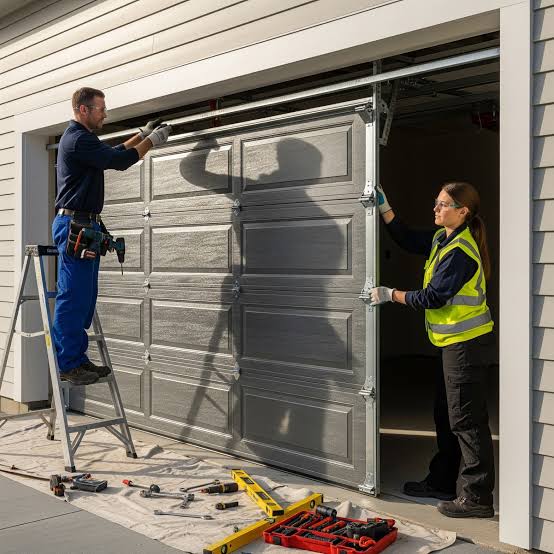
Have you ever been stuck in your driveway, unable to get your car out because your garage door won’t open? Or perhaps you’re worried about security with a door that won’t close properly? You’re not alone. Thousands of homeowners face this frustrating situation every day. If you’re wondering how long does it take to fix a garage door, the answer depends on several factors—but most common repairs can be completed within just a few hours.
In this comprehensive guide, we’ll break down exactly what influences repair times, provide realistic timelines for different issues, and help you understand what to expect when calling a professional. Whether you’re dealing with a broken spring, malfunctioning opener, or misaligned tracks, knowing the typical repair duration helps you plan your day and manage expectations.
What Factors Affect Garage Door Repair Time?
Before diving into specific timelines, it’s essential to understand what impacts how quickly a technician can resolve your issue. Several variables come into play:
Type of Problem
Not all garage door issues are created equal. A simple remote control battery replacement takes minutes, while replacing torsion springs requires careful handling and more time. The complexity of the problem directly correlates with repair duration.
Parts Availability
If your garage door needs new components, availability matters. Common parts like rollers, hinges, and cables are typically stocked by professional companies. However, specialized or older model parts may need to be ordered, adding days to the process.
Technician Experience
An experienced technician who has worked on hundreds of garage doors will work faster and more efficiently than someone new to the field. Professional companies usually send their most qualified technicians for emergency calls.
Age and Condition of Your Door
Older garage doors often present additional challenges. Rust, wear and tear, and outdated mechanisms can complicate repairs. In some cases, technicians may recommend replacement instead of repair if the door is beyond economical fixing.
Weather Conditions
Extreme weather—heavy rain, snow, or intense heat—can slow down outdoor repairs. Technicians need safe working conditions, and certain tasks become more difficult in adverse weather.
Typical Repair Times by Common Issues
Let’s look at specific problems and how long each typically takes to fix. This breakdown will give you a clear idea of what to expect based on your particular situation.
Broken Springs (1–2 Hours)
Garage door springs are under extreme tension and are one of the most dangerous components to repair. There are two types: torsion springs (mounted above the door) and extension springs (on the sides).
Torsion spring replacement usually takes 1–2 hours for a professional. The technician must safely release the tension from the old spring, remove it, install the new spring, and carefully wind it to the proper tension. This job requires specialized tools and expertise.
Extension spring replacement is slightly faster, typically taking 45 minutes to 1.5 hours. These springs are easier to access but still require caution due to the tension involved.
Important: Never attempt to repair garage door springs yourself. The stored energy can cause serious injury if handled incorrectly.
Malfunctioning Garage Door Opener (1–3 Hours)
Garage door openers can fail for various reasons, from simple electrical issues to complete motor failure. Here’s a breakdown:
| Issue | Typical Repair Time |
|---|---|
| Remote control reprogramming | 15–30 minutes |
| Sensor alignment | 30–45 minutes |
| Circuit board replacement | 1–2 hours |
| Complete opener replacement | 2–3 hours |
If the opener is relatively new (less than 10 years old), repair is usually worthwhile. For older units, replacement might be more cost-effective in the long run. According to industry standards, most garage door openers last 10–15 years with proper maintenance.
Misaligned or Damaged Tracks (1–2 Hours)
The tracks guide your garage door as it opens and closes. When they become bent, loose, or misaligned, the door won’t operate smoothly.
Minor track adjustments typically take 30 minutes to an hour. The technician will loosen the track brackets, realign the tracks using a level, and tighten everything back securely.
More severe damage, such as bent sections that need straightening or partial replacement, can take 1.5–2 hours. In cases where tracks are severely damaged, complete replacement may be necessary, extending the timeline to 2–3 hours.
Broken Cables (1–2 Hours)
Garage door cables work in conjunction with springs to lift the heavy door. When cables snap or fray, the door becomes unsafe to operate.
Cable replacement generally takes 1–2 hours. The technician must first secure the door, release spring tension safely, remove the old cables, install new ones, and then restore proper tension. This is another job that requires professional expertise due to safety concerns.
Damaged Panels or Sections (2–4 Hours)
If your garage door has dented or broken panels, repair time varies significantly based on the extent of damage.
Single panel replacement typically takes 2–3 hours. The technician removes the damaged section, installs the new panel, and ensures it aligns properly with adjacent sections.
Multiple panel damage or structural issues can take 3–4 hours or longer. In severe cases, especially with older doors, full door replacement might be recommended instead.
Roller and Hinge Replacement (30 Minutes–1 Hour)
Worn-out rollers and hinges cause noise and uneven movement. This is one of the quickest repairs.
Standard roller replacement takes 30–45 minutes. The technician removes the old rollers and installs new nylon or steel rollers, depending on your preference.
Hinge replacement adds another 15–30 minutes. If multiple hinges need replacement, the time increases accordingly, but most jobs are completed within an hour.
Emergency vs. Scheduled Repairs: Does Timing Matter?
You might wonder if calling for emergency service affects repair time. The answer is yes and no.
Emergency repairs (same-day or after-hours service) don’t necessarily take longer to complete—the actual repair work remains the same. However, wait times for technician arrival can vary. During business hours, you might wait 1–3 hours for arrival. After hours or on weekends, response times could extend to 4–6 hours depending on availability.
Scheduled repairs allow you to book a convenient time slot, typically with 2–4 hour windows. While you might wait a few days for an appointment, the technician arrives prepared with likely needed parts, potentially reducing overall resolution time.
For urgent situations where your car is trapped or security is compromised, many companies offer priority emergency service, though this may come with additional fees.
Can You Speed Up the Repair Process?
While you can’t control how fast a technician works, you can take steps to minimize delays:
- Provide detailed information when booking. Describe the problem accurately, including any unusual noises, when it started, and what you’ve already tried.
- Ensure clear access to the garage door. Remove vehicles, boxes, or obstacles that might block the technician’s workspace.
- Have your garage door model information ready. This helps the technician bring the right parts on the first visit.
- Be available during the scheduled appointment window to answer questions and approve any additional work.
- Consider maintenance plans. Regular annual maintenance can prevent unexpected breakdowns and keep your door operating smoothly.
When Should You Replace Instead of Repair?
Sometimes, repair isn’t the best option. Consider replacement if:
- Your garage door is over 15–20 years old
- Multiple components are failing simultaneously
- Repair costs exceed 50% of replacement cost
- The door has significant cosmetic damage affecting curb appeal
- You want improved energy efficiency or security features
A new garage door typically takes 4–6 hours to install, including removing the old door and setting up the new system with opener.
FAQ Section
How long does a garage door inspection take?
A standard garage door inspection takes 30–45 minutes. The technician checks springs, cables, rollers, tracks, sensors, and the opener mechanism. They’ll identify potential issues before they become major problems, helping you avoid unexpected breakdowns.
Do I need to be home during garage door repair?
Yes, you should be present during the repair. The technician may need your input on the problem, access to test the door operation, and your approval for any additional work or parts. Most companies require homeowner presence for safety and liability reasons.
Can a garage door be fixed the same day?
Most common garage door problems can be fixed the same day, especially if you call early in the morning. Companies typically carry common parts like springs, cables, rollers, and sensors. Complex issues requiring special-order parts may take 2–5 business days.
Why does my garage door repair take so long?
Several factors can extend repair time: difficulty accessing components, rusted or seized parts, discovering additional problems during inspection, waiting for specific parts, or working in challenging weather conditions. A thorough technician takes time to do the job correctly rather than rushing.
How often should I maintain my garage door?
Experts recommend professional garage door maintenance once or twice yearly. Regular lubrication of moving parts, tension checks, and safety sensor testing can extend your door’s lifespan and prevent costly emergency repairs. Between professional visits, visually inspect your door monthly for signs of wear.
Is it worth repairing an old garage door?
It depends on the door’s condition and repair cost. If your door is under 15 years old and the repair is minor (under $200), repair makes sense. For older doors with multiple issues or repair costs exceeding $400–$500, replacement often provides better long-term value and improved functionality.
Conclusion
So, how long does it take to fix a garage door? For most common issues, expect 1–3 hours of active repair time, though total time from call to completion may span several hours or even days if parts need ordering. Simple fixes like sensor alignment or roller replacement can be done in under an hour, while complex spring replacements or track repairs take longer.
The key to minimizing disruption is acting quickly when problems arise, choosing a reputable repair company, and maintaining your garage door regularly. Remember, a well-maintained garage door not only lasts longer but also operates more safely and efficiently.
Don’t let a malfunctioning garage door disrupt your daily routine. If you found this guide helpful, share it with friends and neighbors who might benefit from understanding garage door repair timelines. And if you’re experiencing garage door issues right now, don’t hesitate to contact a qualified professional—your safety and convenience are worth it!
Leave a Reply