Is there anything more annoying than the screeching sound of your garage door every time you open or close it? That high-pitched squeak doesn’t just disturb your peace—it’s often a warning sign that your door needs attention. If you’re wondering how do I stop my garage door from squeaking, you’re in the right place. This guide will walk you through simple, effective solutions to silence that noise and keep your garage door running smoothly.
Why Does My Garage Door Squeak?
Before diving into fixes, it’s essential to understand why your garage door is making noise. Squeaking typically occurs due to friction between moving parts. Over time, components like hinges, rollers, springs, and tracks lose their lubrication, causing metal-on-metal contact. According to the International Door Association, lack of regular maintenance is the leading cause of premature garage door failure.
Other common causes include:
- Worn-out rollers: Old or damaged rollers can create grinding noises.
- Loose hardware: Nuts, bolts, and brackets may loosen over time.
- Misaligned tracks: If the tracks aren’t properly aligned, the door struggles to move smoothly.
- Weather conditions: Extreme temperatures can affect lubrication effectiveness.
Identifying the root cause helps you apply the right solution. Let’s explore step-by-step methods to eliminate that squeak.
Step 1: Lubricate Moving Parts Properly
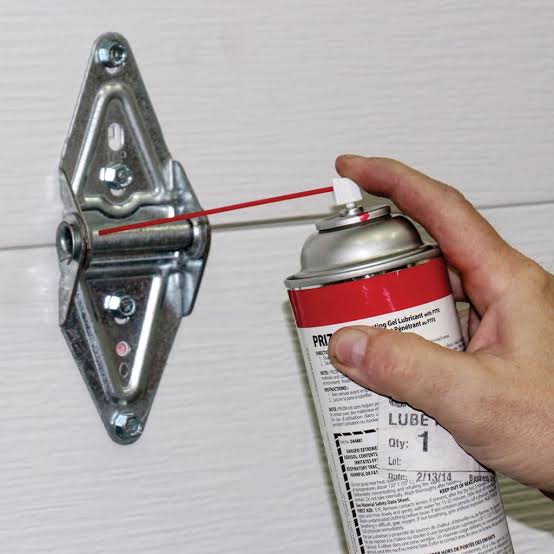
Lubrication is the most effective way to stop a squeaky garage door. However, not all lubricants are created equal. Using the wrong type can attract dirt and worsen the problem.
Choose the Right Lubricant
- Silicone-based spray: Ideal for rollers, hinges, and tracks. It doesn’t attract dust and lasts longer.
- White lithium grease: Best for springs and heavy-duty components.
- Avoid WD-40: While popular, WD-40 is a penetrant, not a long-term lubricant. It evaporates quickly and offers minimal protection.
Application Steps
- Clean the components: Wipe down hinges, rollers, and tracks with a clean cloth to remove dirt and old grease.
- Apply lubricant sparingly: Spray or apply a thin layer to each moving part. Focus on:
- Hinge pins
- Roller bearings
- Spring coils (use caution—springs are under high tension)
- Track edges (lightly coat to reduce friction)
- Operate the door: Open and close the door 3–5 times to distribute the lubricant evenly.
Pro Tip: Lubricate your garage door every 6 months to prevent future squeaking.
Step 2: Tighten Loose Hardware
Vibration from daily use can loosen nuts, bolts, and brackets. Loose hardware creates rattling and squeaking noises.
What to Check
- Hinge bolts: Ensure all hinge screws are tight.
- Track brackets: Verify that track supports are securely fastened to the wall and ceiling.
- Roller stems: Check if rollers are firmly attached to the door panels.
Use a socket wrench or screwdriver to tighten any loose components. Be careful not to overtighten, as this can strip threads or damage parts.
Step 3: Inspect and Replace Worn Rollers
Rollers bear the weight of your garage door and facilitate smooth movement. Over time, they wear out, especially if they’re made of steel.
Types of Rollers
| Type | Pros | Cons |
|---|---|---|
| Steel | Durable, inexpensive | Noisy, prone to rust |
| Nylon | Quiet, resistant to corrosion | Less durable under heavy loads |
| Sealed Bearing | Long-lasting, low maintenance | Higher cost |
If your rollers are cracked, chipped, or excessively worn, replace them. Nylon rollers with sealed bearings are recommended for quieter operation.
Step 4: Align the Tracks
Misaligned tracks force the door to struggle during movement, causing squeaks and potential damage.
How to Check Alignment
- Visual inspection: Look for gaps between the rollers and tracks.
- Level check: Use a level to ensure tracks are straight and parallel.
- Test movement: Manually move the door along the track to feel for resistance.
Adjustment Steps
- Loosen the track brackets slightly.
- Gently tap the track into alignment using a rubber mallet.
- Retighten the brackets and test the door.
If the tracks are severely bent or damaged, consult a professional technician.
Step 5: Address Weather-Related Issues
Extreme temperatures can affect your garage door’s performance. In cold weather, lubricants thicken, increasing friction. In hot weather, they may evaporate faster.
Seasonal Maintenance Tips
- Winter: Use a cold-weather silicone lubricant that remains fluid in low temperatures.
- Summer: Reapply lubricant more frequently to compensate for evaporation.
- Humidity: Keep the garage well-ventilated to prevent rust and corrosion.
When to Call a Professional
While many squeaking issues can be resolved with DIY methods, some problems require expert attention:
- Broken springs: Torsion springs are under extreme tension and can be dangerous to handle.
- Damaged cables: Frayed or snapped cables need immediate replacement.
- Motor issues: If the opener itself is noisy, it may need servicing or replacement.
According to HomeAdvisor, the average cost for professional garage door repair ranges from $150 to $350, depending on the issue. Investing in professional help can prevent costly repairs down the line.
FAQ Section
Q1: How often should I lubricate my garage door?
A: Lubricate your garage door every 6 months. Regular maintenance prevents squeaking and extends the lifespan of components.
Q2: Can I use WD-40 to stop my garage door from squeaking?
A: No, WD-40 is not a long-term lubricant. It evaporates quickly and doesn’t provide lasting protection. Use silicone-based spray or white lithium grease instead.
Q3: Why does my garage door squeak only in winter?
A: Cold temperatures thicken lubricants, increasing friction. Switch to a cold-weather silicone lubricant to resolve this issue.
Q4: Is it safe to lubricate garage door springs myself?
A: Exercise caution. Springs are under high tension and can be dangerous. If unsure, hire a professional technician.
Q5: What type of rollers are best for a quiet garage door?
A: Nylon rollers with sealed bearings are the quietest option. They resist corrosion and operate smoothly without frequent maintenance.
Q6: My garage door still squeaks after lubrication. What should I do?
A: Check for loose hardware, worn rollers, or misaligned tracks. If the problem persists, consult a professional for a thorough inspection.
Conclusion
A squeaky garage door is more than just an annoyance—it’s a sign that your door needs care. By following these steps—lubricating moving parts, tightening hardware, replacing worn rollers, and aligning tracks—you can effectively answer the question, “How do I stop my garage door from squeaking?” Regular maintenance not only silences the noise but also extends the life of your garage door system.
Don’t let that squeak drive you crazy. Take action today, and enjoy the peace of a quiet, smoothly operating garage door. If you found this guide helpful, share it with friends and family who might be dealing with the same issue. Your garage—and your neighbors—will thank you!
Leave a Reply