Introduction
Hearing a loud bang from your garage and seeing a loose, frayed cable hanging down can be terrifying. It immediately raises the question: how do I fix the cables on my garage door without causing further damage or injuring myself? You are not alone; cable issues are among the most common garage door failures, yet they are also the most dangerous to attempt as a DIY project.
This guide will walk you through the reality of garage door cable repair, helping you understand the mechanics, assess the danger, and decide whether this is a job for your toolbox or a professional technician. Your safety is our top priority.
Understanding the Danger: Why Garage Door Cables Are Not Like Regular Repairs
Before we discuss tools and steps, we must address the elephant in the room: tension.
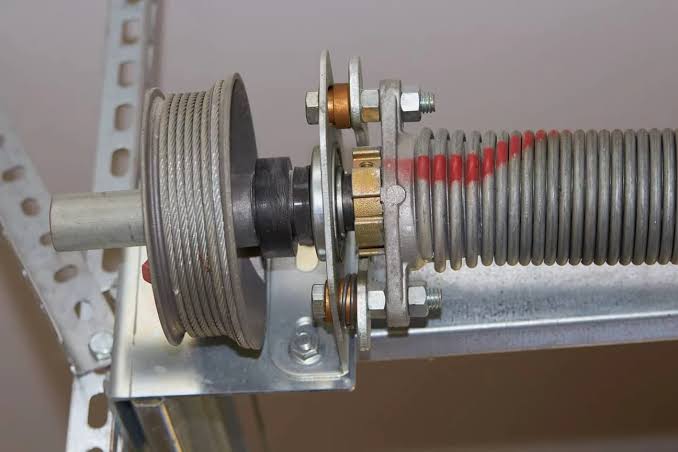
Garage doors are heavy, often weighing between 150 to 400 pounds (68–181 kg). They don’t lift themselves; they are counterbalanced by high-tension springs. The cables are the critical link that transfers the lifting force from the springs to the bottom corners of the door.
When a cable snaps, the balance is lost. If you attempt to fix it without properly releasing the tension from the springs, the remaining energy can cause the spring to unwind violently. This can result in severe injury, broken bones, or even fatal accidents.
Expert Insight: According to the International Door Association (IDA), garage door springs and cables are under extreme tension. They recommend that homeowners never attempt to adjust or replace torsion springs or associated cables unless they have specialized training and tools.
For a deeper understanding of the mechanical components involved, you can review the general engineering principles of counterbalance systems on Wikipedia’s page regarding Garage Doors.
Signs Your Garage Door Cables Need Attention
You might be wondering if your cable actually needs fixing or if it’s just a minor alignment issue. Look for these red flags:
- Fraying Wires: If you see individual steel wires sticking out like a “birdcage,” the cable is compromised.
- Loose or Hanging Cable: A cable that sags significantly more than the other side indicates a break or detachment.
- Door Operates Unevenly: If one side of the door lags behind the other, the cable may be slipping off the drum.
- Loud Snapping Noise: A sudden bang usually signifies a cable snap or a spring failure.
| Symptom | Likely Cause | Danger Level |
|---|---|---|
| Slight Fraying | Wear and tear | Medium (Monitor closely) |
| Visible Break | Snap due to age/rust | High (Do not operate) |
| Cable Off Drum | Misalignment | High (Risk of jamming) |
| Door Slams Shut | Broken cable/spring | Critical (Immediate repair needed) |
Can I Fix It Myself? Assessing the Risk
The question “how do I fix the cables on my garage door” often leads to two paths: DIY or Professional Help. Here is a realistic comparison to help you decide.
Option 1: Hiring a Professional (Recommended)
- Pros: Guaranteed safety, proper tools (winding bars, vice grips), warranty on parts and labor, correct tension calibration.
- Cons: Higher upfront cost ($150–$350 typically).
- Best For: Torsion spring systems, snapped cables, or if you lack mechanical experience.
Option 2: DIY Repair (Only for Extension Springs & Experienced Users)
- Pros: Cost savings on labor.
- Cons: High risk of injury, requires specific tools, potential to void warranty, time-consuming.
- Best For: Minor adjustments on extension spring systems (the ones with pulleys along the track), never for torsion springs (the bar above the door).
Note: If your garage door uses torsion springs (a metal bar mounted horizontally above the closed door), stop reading this section and call a professional. The tension in torsion springs is lethal if mishandled.
Step-by-Step Guide: Replacing Cables on Extension Spring Systems
If you have an extension spring system (springs run parallel to the tracks on both sides) and you are confident in your mechanical skills, here is the general process.
Tools Required:
- Adjustable wrenches
- Vise-grip pliers
- Ladder
- Safety glasses (Mandatory)
- Work gloves
- Replacement cables (exact length and gauge)
Step 1: Secure the Door
Close the garage door completely. Use vise-grip pliers to clamp the door tracks just below the bottom rollers. This prevents the door from shooting up unexpectedly if tension is released accidentally.
Step 2: Release Tension Safely
Extension springs use safety cables running through them. You must carefully disconnect the pulley system.
- Locate the pulley at the end of the track.
- Using a wrench, loosen the nut holding the cable to the bottom bracket of the door.
- Slowly let the tension out. Do not stand directly under the spring.
Step 3: Remove the Old Cable
Once the tension is fully released, unhook the cable from the drum at the top of the track. Note exactly how the cable was wound around the drum. Take a photo with your phone for reference.
Step 4: Install the New Cable
- Thread the new cable through the pulley system.
- Attach one end to the bottom bracket of the door.
- Wind the other end onto the drum at the top, following the pattern you photographed earlier. Ensure it sits snugly in the drum’s groove.
Step 5: Reapply Tension and Test
- Tighten the nut at the bottom bracket.
- Remove the vise-grips from the tracks.
- Manually lift the door halfway. It should stay in place. If it falls, the tension is too low. If it shoots up, it’s too high.
- Adjust as necessary until the door is balanced.
Common Mistakes to Avoid
Even experienced DIYers make errors. Here are the most frequent pitfalls:
- Ignoring the Other Cable: If one cable broke, the other is likely near the end of its life. Replace both simultaneously.
- Wrong Cable Gauge: Using a cable that is too thin will cause it to snap again quickly. Match the manufacturer’s specifications.
- Improper Winding: If the cable overlaps itself on the drum, it will fray and break prematurely. Keep the winds tight and parallel.
- Skipping Safety Glasses: Steel cables can whip back with incredible force. Eye protection is non-negotiable.
FAQ Section
Q1: How much does it cost to fix a garage door cable?
A: If you hire a professional, expect to pay between $150 and $350. This includes parts and labor. If you do it yourself, the cables cost roughly $20–$40, but you assume all the risk.
Q2: Can I still use my garage door if one cable is broken?
A: No. Do not attempt to open or close the door. A broken cable puts uneven stress on the tracks, rollers, and opener. It can cause the door to derail, fall, or damage your vehicle. Disconnect the opener and keep the door closed until repaired.
Q3: How often should garage door cables be replaced?
A: There is no fixed timeline, but most cables last 7–10 years depending on usage and climate. Inspect them annually for fraying, rust, or wear. If you live in a humid or coastal area, corrosion may shorten their lifespan.
Q4: What is the difference between torsion and extension spring cables?
A: Torsion springs are mounted above the door and use cables wrapped around drums to lift the door. They are under higher tension and are more dangerous to repair. Extension springs stretch along the horizontal tracks and are generally slightly safer for DIYers, though still risky.
Q5: Why did my garage door cable snap?
A: Common causes include normal wear and tear, rust/corrosion, lack of lubrication, poor installation, or a misaligned track causing excessive friction. Sometimes, a broken spring puts extra stress on the cable, causing it to fail.
Q6: Do I need to lubricate my garage door cables?
A: Generally, no. Most modern cables are coated and do not require lubrication. In fact, oil can attract dirt and grit, which accelerates wear. Focus on lubricating the rollers, hinges, and springs instead.
Conclusion
Learning how do I fix the cables on my garage door is valuable knowledge, but it comes with a heavy responsibility. While minor adjustments on extension spring systems can be handled by confident DIYers, the risks associated with high-tension systems are real and severe.
Remember, a garage door is the largest moving object in your home. Prioritizing safety over savings is always the smartest choice. If you are unsure, hesitant, or dealing with torsion springs, please call a licensed garage door technician.
Did you find this guide helpful? Share it with your neighbors or on social media to help others stay safe! Let us know in the comments if you have any other garage maintenance questions.
Leave a Reply