Introduction
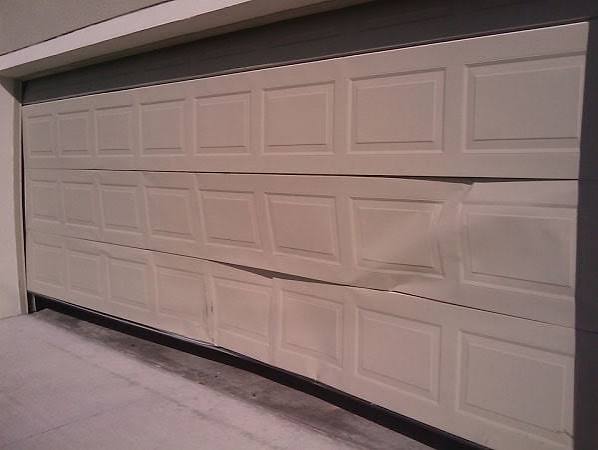
There is nothing quite as frustrating as walking out to your car and noticing a fresh ding or deep crease on your garage door. It instantly detracts from your home’s curb appeal and can leave you worrying about potential rust or structural issues. If you are wondering how to fix a dent in the garage door without spending hundreds on a professional replacement, you are in the right place. With the right tools and a bit of patience, many common dents can be repaired at home, restoring your door’s smooth appearance and functionality.
Assessing the Damage: Can You Really Fix It Yourself?
Before grabbing your toolbox, it is crucial to determine if the dent is a candidate for DIY repair. Not all damage is created equal, and attempting to fix a severely compromised panel can sometimes cause more harm than good.
Check the Material:
- Steel Doors: Most common and easiest to repair. Steel has “memory” and can often be popped back into shape.
- Aluminum Doors: Softer and more prone to cracking. Be gentle; aluminum does not bounce back as well as steel.
- Wood/Fiberglass: These materials generally cannot be “popped” out. Dents here usually require filling, sanding, and repainting rather than reshaping.
Check the Severity: If the dent is small (smaller than a basketball) and shallow, you have a high success rate. However, if the metal is cracked, the paint is deeply fractured exposing bare metal to rust, or the structural integrity of the panel is compromised, you may need to replace the entire panel.
Pro Tip: Always disconnect your garage door opener before working on the door to prevent accidental activation.
Method 1: The Plunger Technique (For Small, Shallow Dents)
This is the least invasive method and works best for smooth, round dents where the metal has not been sharply creased.
What You Need:
- A standard cup plunger (not a flange plunger used for toilets).
- Water or lubricant spray.
Step-by-Step Instructions:
- Clean the Area: Wipe the dented area with a mild detergent to remove dirt and grease. This ensures a better seal.
- Moisten the Plunger: Dip the rim of the plunger in water or spray it with a little lubricant. This helps create a vacuum seal.
- Position the Plunger: Place the plunger directly over the center of the dent.
- Create Suction: Push the plunger firmly against the door to expel air, then pull back sharply. The suction should pop the dent outward.
- Repeat: If it doesn’t pop on the first try, adjust the angle slightly and repeat. Do not force it excessively, as this could stretch the metal.
Method 2: The Hair Dryer and Compressed Air Trick (Thermal Shock)
This method utilizes the principles of thermal expansion and contraction. It is surprisingly effective for medium-sized dents in steel doors.
What You Need:
- A hair dryer (high heat setting).
- A can of compressed air (held upside down).
- Heat-resistant gloves.
Step-by-Step Instructions:
- Heat the Dent: Turn your hair dryer to the highest heat setting. Hold it about 6 inches away from the dent. Move it in circular motions for approximately 2–3 minutes. The goal is to heat the metal until it is hot to the touch but not burning.
- Apply Cold Immediately: Put on your heat-resistant gloves. Take the can of compressed air and turn it upside down. Spray the heated dent directly. When inverted, the can releases freezing liquid CO2 rather than just gas.
- Watch It Pop: The rapid change from extreme heat to extreme cold causes the metal to contract quickly. Often, you will hear a loud “pop” as the dent snaps back into its original shape.
- Clean Up: Wipe away any residue from the compressed air.
Note: This method works best on unpainted or lightly painted areas. Test a small spot first to ensure the paint does not blister.
Method 3: The Hammer and Block Method (For Larger, Creased Dents)
If the dent has a sharp crease or is too large for a plunger, you may need to apply mechanical force from behind the panel.
What You Need:
- A rubber mallet or a regular hammer.
- A block of wood (2×4 inch piece).
- A screwdriver or drill (to access the inside of the door).
- Safety glasses.
Step-by-Step Instructions:
- Access the Interior: Open the garage door fully. You will need to work from the inside. If your door has insulated panels, you may need to carefully remove the interior lining or drill a small access hole if there is no existing opening.
- Protect the Surface: Place the block of wood against the back of the dented area. This distributes the force and prevents the hammer from creating new holes or marks.
- Gentle Tapping: Using the rubber mallet (or a regular hammer with the wood block), gently tap around the edges of the dent, working your way toward the center. Do not hit the center directly at first.
- Push Out the Center: Once the edges are relaxed, apply steady pressure to the center of the dent using the wood block. You can also use a body hammer to gently tap the wood block.
- Check Progress: Frequently check the front side of the door to see if the dent is leveling out. Stop once the surface is flush.
Finishing Touches: Sanding and Painting
Even after the dent is removed, the paint may be cracked or stretched. Leaving bare metal exposed will lead to rust, especially in humid climates.
- Sand the Area: Use fine-grit sandpaper (400–600 grit) to smooth out any rough edges or cracked paint around the repaired area.
- Apply Primer: Apply a rust-inhibiting primer to any exposed metal. Let it dry according to the manufacturer’s instructions (usually 1–2 hours).
- Match the Paint: Use touch-up paint that matches your garage door color. Apply thin coats, allowing each to dry before applying the next.
- Seal It: For extra protection, consider applying a clear coat automotive wax to blend the sheen with the rest of the door.
For more detailed information on metal properties and corrosion prevention, you can refer to this resource on Metal Corrosion – Wikipedia.
Comparison: DIY Repair vs. Professional Replacement
| Feature | DIY Dent Repair | Professional Panel Replacement |
|---|---|---|
| Cost | $10 – $50 (Tools/Materials) | $250 – $800+ per panel |
| Time | 1 – 3 Hours | 1 – 2 Days (Scheduling + Work) |
| Skill Level | Beginner to Intermediate | Professional Required |
| Result | Good for cosmetic fixes | Perfect structural restoration |
| Best For | Small/Medium dents, Steel doors | Cracked metal, Wood doors, Large damage |
Frequently Asked Questions (FAQ)
Q1: Will fixing a dent myself void my garage door warranty? A: It depends on the manufacturer. Minor cosmetic repairs usually do not void warranties, but if you damage the structural integrity or insulation during the repair, it might. Always check your warranty terms before starting.
Q2: Can I fix a dent on an insulated garage door? A: Yes, but it is more challenging. You must be careful not to puncture the insulation foam inside. The hair dryer method is often safer for insulated doors as it does not require drilling or heavy hammering from the inside.
Q3: What if the dent is near the edge of the panel? A: Dents near the edges are harder to fix because the metal is stiffer. You may need to use the hammer and block method with extra care. If the edge is bent enough to interfere with the door’s rollers or tracks, professional help is recommended to ensure safe operation.
Q4: How much does it cost to hire a professional to fix a dent? A: Professionals typically charge by the hour or by the panel. A simple dent removal might cost between $150 and $300. If they need to replace the entire panel, costs can rise significantly due to parts and labor.
Q5: Is it safe to use boiling water on a garage door? A: Pouring boiling water on a garage door is generally not recommended. The sudden temperature change can shock the metal, but it is less controlled than the hair dryer/compressed air method. Additionally, hot water can damage certain types of paint or seals. Stick to the dry heat methods for better control.
Leave a Reply