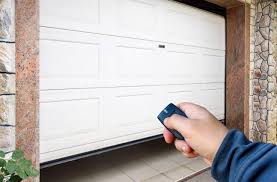
Your garage is often the most vulnerable entry point to your home, yet it’s frequently overlooked in security planning. If you’ve been asking yourself, “how can I improve the security of my garage door,” you’re not alone—thousands of homeowners face this concern daily. A compromised garage doesn’t just risk your vehicle; it can provide direct access to your living space, making robust security essential for peace of mind.
Why Is Garage Door Security Critical?
Before diving into solutions, it’s important to understand why garage doors are prime targets for burglars. According to the FBI’s Uniform Crime Reporting Program, property crimes remain a significant concern in the United States, with many break-ins occurring through unsecured secondary entries like garages.
A garage door is more than just a barrier for your car—it’s a gateway to your home’s interior, storage areas, and potentially valuable tools or equipment. Strengthening its security isn’t just about protecting possessions; it’s about safeguarding your family’s safety.
What Are the Most Common Garage Door Vulnerabilities?
Understanding weak points helps you prioritize improvements. Here are the most frequent vulnerabilities:
- Old or Weak Locks: Many older garage doors rely on simple T-handle locks that can be easily picked or forced open.
- Unsecured Remote Controls: Leaving remotes in visible areas of your car allows thieves to use signal amplifiers to clone codes.
- Lack of Monitoring: Without sensors or cameras, you won’t know if someone attempts to breach your garage until it’s too late.
- Poor Maintenance: Worn-out springs, misaligned tracks, or damaged panels can make forced entry easier.
How Can I Upgrade My Garage Door Locks?
Upgrading your locking mechanism is one of the most effective steps you can take. Here’s how:
- Install a Deadbolt Lock: Add a heavy-duty deadbolt to the side door leading into your garage. Choose a Grade 1 or Grade 2 lock certified by the American National Standards Institute (ANSI).
- Use a Smart Lock: Consider keyless entry smart locks that allow you to monitor access via smartphone apps. Brands like August or Yale offer models with auto-lock features.
- Reinforce the Main Door: For sectional garage doors, install a vertical lock bar or a floor anchor kit to prevent lifting from the outside.
Pro Tip: Avoid using generic “universal” remote codes. Always reprogram your opener after moving into a new home or if a remote is lost.
Should I Invest in a Smart Garage Door Opener?
Smart garage door openers have revolutionized home security. They offer real-time monitoring, remote control, and integration with broader smart home systems.
| Feature | Traditional Opener | Smart Opener |
|---|---|---|
| Remote Access | Limited range | Unlimited via Wi-Fi |
| Activity Logs | None | Yes, tracks every open/close |
| Alerts | None | Instant notifications |
| Integration | Standalone | Works with Alexa, Google Home |
According to a study by Parks Associates, over 40% of U.S. households now use some form of smart home technology, with security being the primary driver. Investing in a smart opener not only enhances convenience but also deters potential intruders who prefer easy targets.
How Do Sensors and Cameras Enhance Security?
Visual verification and motion detection are crucial layers of defense.
- Motion-Sensor Lights: Install LED floodlights with motion detectors around the garage perimeter. Sudden illumination can scare off intruders and alert neighbors.
- Security Cameras: Place a weatherproof camera facing the garage door and another inside pointing at the entry to your house. Look for models with night vision and two-way audio.
- Contact Sensors: These small devices alert you if the garage door is left open or if someone tries to force it. They integrate seamlessly with systems like Ring or SimpliSafe.
For more information on standard home security practices, you can refer to resources provided by Wikipedia’s Home Security page, which outlines foundational principles applicable to garage protection.
What Maintenance Steps Prevent Security Breaches?
Regular maintenance ensures your garage door functions correctly and remains difficult to bypass.
- Inspect Springs and Cables: Check for fraying or rust every six months. Damaged components can fail unexpectedly, leaving your garage vulnerable.
- Lubricate Moving Parts: Use a silicone-based lubricant on rollers, hinges, and tracks to ensure smooth operation. A squeaky door can signal neglect to potential burglars.
- Test the Auto-Reverse Feature: Place a block of wood on the ground where the door closes. If the door doesn’t reverse upon contact, adjust the sensitivity settings immediately. This feature prevents injury and indicates proper sensor alignment.
FAQ: Common Questions About Garage Door Security
1. How often should I change my garage door code?
It’s recommended to change your code at least once a year, or immediately if you suspect a remote has been stolen or lost. Frequent changes minimize the risk of code cloning.
2. Can hackers access my smart garage door opener?
While no system is entirely hack-proof, reputable brands use encryption protocols like AES-128 to secure data. To stay safe, always update firmware, use strong unique passwords, and enable two-factor authentication (2FA) if available.
3. Is a manual lock enough for security?
A manual lock provides a basic layer of defense but shouldn’t be your only security measure. Combine it with electronic monitoring and reinforced hardware for comprehensive protection.
4. What should I do if my garage door remote stops working?
First, check the batteries. If replacing them doesn’t help, reprogram the remote according to the manufacturer’s instructions. If issues persist, consult a professional technician to rule out receiver problems.
5. How can I secure my garage if I rent my home?
Focus on non-permanent solutions: use portable smart locks, install battery-operated cameras, and add removable window films for privacy. Always discuss major modifications with your landlord first.
6. Does insurance cover garage break-ins?
Most homeowner’s insurance policies cover theft and damage from break-ins, but deductibles apply. Review your policy details and consider adding specific riders for high-value items stored in the garage.
Conclusion: Take Action Today
Securing your garage door doesn’t have to be complicated or expensive. By upgrading locks, investing in smart technology, and maintaining your system regularly, you significantly reduce the risk of break-ins. Remember, the question isn’t just “how can I improve the security of my garage door”—it’s about taking consistent, proactive steps to protect what matters most.
Start with one improvement this week, whether it’s installing a motion-sensor light or programming a new remote code. Your future self will thank you for the added peace of mind
Leave a Reply