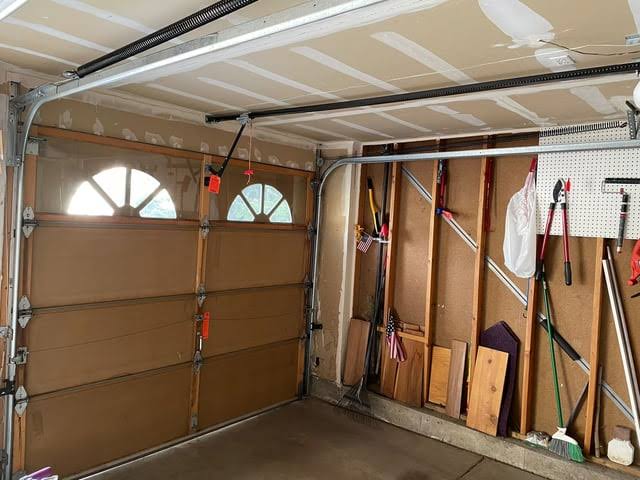
There is nothing quite as frustrating as pressing the button to close your garage door, only to watch it descend a few feet, pause, and then immediately reverse back up. If you are dealing with a situation where your garage door stops halfway down and goes back up, you are not alone. This is one of the most common issues homeowners face, and while it can feel like a major mechanical failure, it is often caused by simple safety features or minor misalignments that you can fix yourself.
In this guide, we will walk you through the exact reasons why this happens and provide step-by-step solutions to get your door closing properly and safely.
Why Does My Garage Door Reverse Before Closing?
Before diving into repairs, it is crucial to understand why modern garage doors behave this way. Since 1993, federal safety regulations in the United States have required all residential garage door openers to be equipped with auto-reverse mechanisms. These systems are designed to prevent injury or damage by stopping the door if it encounters an obstruction.
When your garage door stops halfway down and goes back up, it is essentially “thinking” it has hit something. The opener’s logic board receives a signal from either the safety sensors or the force-limit settings, triggering the reversal. Understanding which component is sending this false signal is the key to solving the problem.
According to the Consumer Product Safety Commission, garage door-related injuries send thousands of people to emergency rooms annually, highlighting why these safety features are non-negotiable. However, when they malfunction, they become a nuisance rather than a protector.
Check the Safety Sensors First
The most frequent culprit behind a garage door that won’t stay closed is the photo-eye safety sensors. These small devices are located near the bottom of your garage door tracks, usually about six inches off the ground. They emit an invisible beam across the doorway; if that beam is broken, the door reverses.
Common Sensor Issues
- Misalignment: Even a slight shift in the bracket can break the beam.
- Dirty Lenses: Dust, spiderwebs, or mud can block the infrared light.
- Sunlight Interference: Direct sunlight hitting the sensor receiver can sometimes overwhelm the signal.
How to Fix Sensor Problems
- Inspect the Lights: Look at the LED lights on both sensors. Typically, one will have a steady green light (power) and the other a steady amber or red light (beam alignment). If the light is blinking or off, the beam is broken.
- Clean the Lenses: Use a soft, dry cloth to wipe away any debris from the sensor eyes.
- Realign the Brackets: Loosen the wing nuts on the sensor brackets slightly. Adjust the sensors until both LED lights are solid and not blinking. Tighten the nuts carefully without moving the sensors out of position.
- Check for Obstructions: Ensure no boxes, bikes, or trash cans are blocking the path between the two sensors.
Adjust the Force and Travel Limits
If your sensors are aligned and clean but the garage door stops halfway down and goes back up, the issue may lie in the force settings. Garage door openers have two types of adjustments: travel limits (how far the door moves) and force settings (how much power is used to move it).
Over time, springs can lose tension, or tracks can become slightly dirty, requiring more force to close the door. If the opener doesn’t sense enough resistance to confirm it has reached the floor, it may reverse as a safety precaution.
Step-by-Step Adjustment Guide
Note: Always consult your specific opener’s manual, as dial locations vary by brand (LiftMaster, Chamberlain, Genie, etc.).
- Locate the Adjustment Dials: On most modern units, these are located on the side or back of the motor unit. Look for dials labeled “Down Force” or “Close Force.”
- Increase the Force Slightly: Turn the dial in small increments (usually clockwise) to increase the closing force. Do not max it out immediately.
- Test the Door: Close the door. If it still reverses, increase the force slightly more.
- Safety Check: Once the door closes fully, place a 2×4 piece of wood flat on the ground under the center of the door. Close the door again. It should reverse immediately upon touching the wood. If it does not reverse, you have set the force too high, which is dangerous. Reduce the force slightly until it reverses reliably on obstruction.
Inspect the Tracks and Rollers
Physical obstructions in the track can also cause the door to reverse. If a roller hits a dent, debris, or a loose bolt, the sudden increase in resistance mimics an obstruction, triggering the auto-reverse feature.
What to Look For
- Debris: Leaves, twigs, or hardened grease in the tracks.
- Dents or Bends: Any irregularity in the metal track can stop rollers.
- Loose Hardware: Check the bolts holding the tracks to the wall and ceiling.
Cleaning and Maintenance
Use a damp rag to wipe out the inside of the tracks. Avoid using lubricants on the tracks themselves, as this attracts dirt. Instead, apply a silicone-based lubricant or white lithium grease to the rollers and hinges. Never use WD-40 as a long-term lubricant, as it evaporates quickly and leaves a sticky residue.
Examine the Springs and Cables
Broken or worn-out springs are a serious issue. If a torsion spring (located above the door) or extension spring (on the sides) is broken, the door becomes extremely heavy. The opener cannot lift or lower the door smoothly, causing it to stall and reverse.
Warning: Garage door springs are under extreme tension. Do not attempt to repair or replace springs yourself. This is a job for a licensed professional. If you notice a gap in the torsion spring or a snapped cable, call a technician immediately.
When to Call a Professional
While many issues causing a garage door stops halfway down and goes back up can be fixed with DIY methods, some situations require expert attention:
| Issue | DIY Fixable? | Risk Level |
|---|---|---|
| Dirty/Misaligned Sensors | Yes | Low |
| Force Adjustment | Yes | Medium |
| Track Cleaning | Yes | Low |
| Broken Springs/Cables | No | High |
| Motor Circuit Board Failure | No | Medium |
If you have tried cleaning sensors, adjusting force, and clearing tracks without success, the issue may be internal to the opener’s logic board or motor. In these cases, replacing the opener or calling a certified technician is the safest route.
FAQ Section
Q: Why does my garage door close when I hold the button but not when I press it once?
A: This is a classic sign of faulty safety sensors. Holding the button bypasses the safety sensors for manual operation. If the door closes only while holding the button, check the alignment and cleanliness of your photo-eye sensors first.
Q: Can cold weather cause my garage door to reverse?
A: Yes. In colder temperatures, metal tracks contract, and lubricants can thicken, increasing friction. This added resistance can trigger the force limit, causing the door to reverse. Applying fresh silicone lubricant can help mitigate this issue.
Q: How often should I maintain my garage door?
A: Experts recommend performing a basic inspection and lubrication every six months. Check sensors monthly to ensure they are clean and aligned.
Q: Is it safe to disable the auto-reverse feature?
A: Absolutely not. Disabling the auto-reverse feature violates federal safety standards and poses a severe risk of injury or death to children and pets. Always keep this feature active and functional.
Q: My door reverses only when it’s sunny outside. What’s wrong?
A: Direct sunlight can interfere with the infrared beam of the safety sensors. Try shading the sensors with a small hood or adjusting their angle slightly to block direct sun exposure.
Conclusion
Dealing with a garage door stops halfway down and goes back up is a common but solvable problem. By systematically checking your safety sensors, adjusting force settings, and ensuring your tracks are clean, you can often restore proper function without calling a technician. Remember, these safety features exist to protect your family, so never bypass them.
If you found this guide helpful, please share it with friends or neighbors who might be struggling with similar garage door issues. A well-functioning garage door is not just about convenience—it’s about home safety. Stay safe, and keep those doors moving smoothly!
Leave a Reply