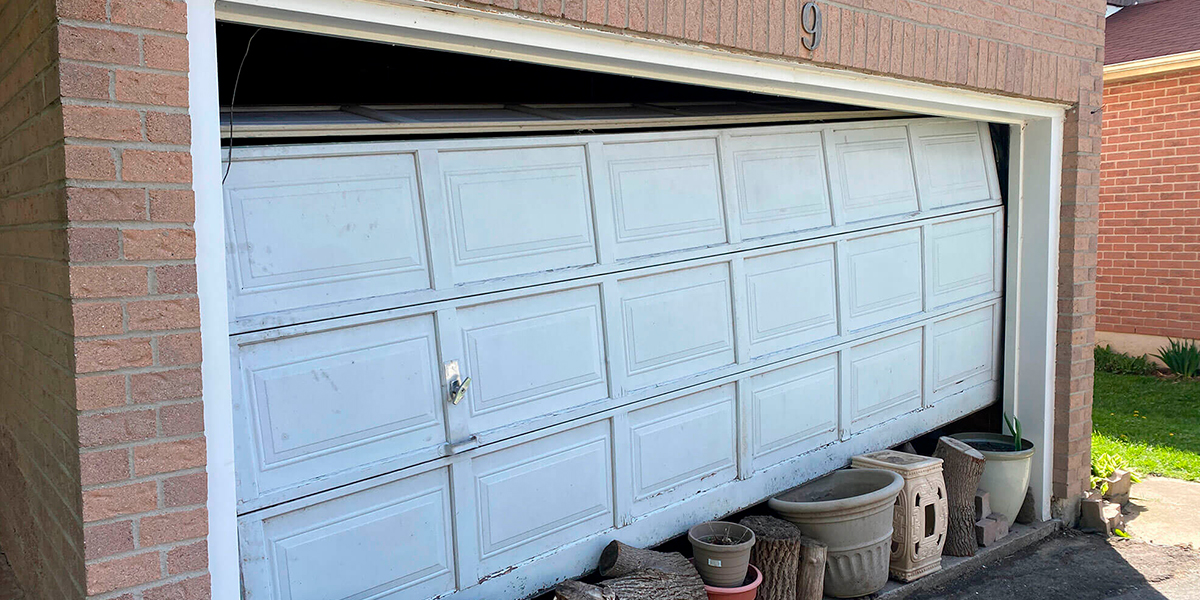
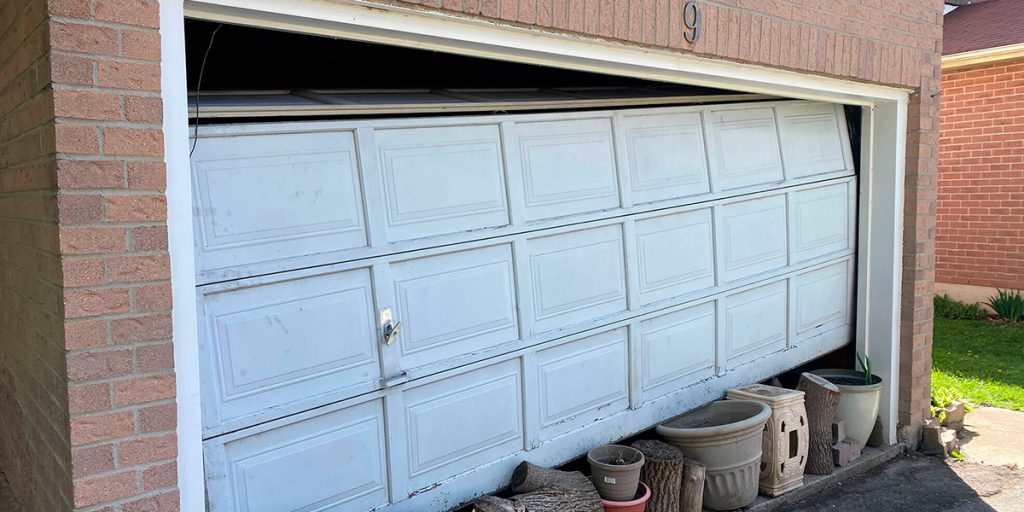
Dealing with a garage door not opening or closing all the way can be incredibly frustrating, especially when you are rushing out the door for work. Don’t worry, as this common issue is usually easy to diagnose and fix yourself with a few simple tools and some basic know-how.
Why Is Your Garage Door Not Opening Or Closing All The Way?
When your garage door stops halfway, it is usually a safety mechanism kicking in. Modern openers are designed to reverse or stop if they detect unexpected resistance.
According to industry data from the International Door Association (IDA), nearly 70% of partial-closing issues stem from misaligned sensors or incorrect limit settings. By understanding how your system communicates, you can quickly pinpoint the exact culprit.
Modern overhead garage doors rely on a complex system of springs, cables, and motorized operators to function safely. You can learn more about the general mechanics and history of these systems on the Garage door Wikipedia page.
Let’s break down the most common reasons and how to solve them step-by-step.
How Do I Adjust the Travel Limit Settings?
The travel limit tells your garage door opener exactly how far to move before stopping. If the garage door not opening or closing all the way issue is caused by this, it means the limits are set too short.
Here is how to adjust them with precision:
- Locate the limit screws: Look on the back or side of the motor head. You will see two screws labeled “Up” (or Open) and “Down” (or Close).
- Adjust the close limit: Using a flathead screwdriver, turn the “Down” limit screw in the direction indicated by the arrow (usually counter-clockwise).
- Make micro-adjustments: Turn the screw exactly one-quarter turn at a time. This equals roughly 1/4 inch of additional downward travel.
- Test the door: Press the wall button to close the door. If it still stops early, add another quarter-turn.
- Check the seal: Once the door touches the floor and the rubber seal compresses slightly without the motor straining, you have found the perfect setting.
Are the Safety Sensors Misaligned or Dirty?
If your door starts to close but immediately reverses before touching the ground, your photo-eye sensors are likely the problem. These sensors shoot an invisible infrared beam across the bottom of the door.
Follow these concrete steps to fix sensor issues:
- Check the LED lights: Look at the sensors on both sides of the door. One should have a steady green light (sending), and the other a steady amber or red light (receiving). If the receiving light is blinking, the beam is blocked.
- Clean the lenses: Take a clean, dry microfiber cloth and gently wipe the small glass lenses on both sensors to remove dust or spiderwebs.
- Realign the brackets: Loosen the wing nut on the misaligned sensor. Gently adjust the bracket until the receiving LED light turns solid.
- Secure at the right height: Ensure both sensors are mounted at a precise height of exactly 6 inches from the garage floor. Tighten the wing nut firmly while holding the sensor in place.
Could Track Obstructions or Roller Issues Be the Culprit?
Sometimes, the motor stops because the physical friction is too high. If the door encounters resistance, the opener’s force settings will cause it to stop to prevent damage.
Here is how to clear the path:
- Inspect the tracks: Use a flashlight to look inside the metal tracks on both sides. Look for small rocks, hardened grease, or debris.
- Clean the tracks: Spray a household degreaser onto a rag (not directly on the track to avoid dripping) and wipe the inside of the metal rails completely clean.
- Check the rollers: Inspect the nylon or steel rollers for chips or cracks. If they are damaged, they will cause jerky movements.
- Lubricate properly: Apply a silicone-based spray lubricant. Apply exactly two short sprays per roller stem and hinge. Never use standard WD-40, as it attracts dirt and creates a thick sludge over time.
DIY vs. Professional Repair: Which Should You Choose?
Not sure if you should tackle this yourself or call an expert? Here is a quick comparison to help you decide.
| Feature | DIY Troubleshooting | Professional Repair Service |
|---|---|---|
| Cost | Free to $20 (for lubricants/cloths) | $100 – $300+ (service call + parts) |
| Time Required | 30 to 60 minutes | 1 to 2 hours (including scheduling) |
| Best For | Limit switches, sensors, cleaning tracks | Broken springs, snapped cables, motor failure |
| Safety Risk | Very Low (if power is disconnected) | Zero (handled by certified technicians) |
Pro Tip: Always disconnect the power to the garage door opener before performing any physical maintenance to ensure your safety!
Frequently Asked Questions (FAQ)
1. How do I adjust the travel limit on my garage door opener?
To adjust the travel limit, locate the “Up” and “Down” limit screws on the motor unit. Use a screwdriver to turn the “Down” screw in small, quarter-turn increments. Test the door after each adjustment until it closes completely without the motor straining.
2. Why does my garage door reverse right before hitting the floor?
This almost always indicates an issue with the safety photo-eye sensors. The infrared beam between the two sensors is likely blocked by dirt, misaligned, or obstructed by an object. Cleaning the lenses and realigning them usually solves the problem instantly.
3. Can extreme weather affect my garage door’s ability to close?
Yes, absolutely. In the winter, freezing temperatures can cause the metal tracks to contract or the lubricant to harden, increasing friction. In the summer, high humidity can cause wooden doors to swell. Adjusting the force and limit settings slightly during extreme weather changes can help.
4. How often should I perform garage door maintenance?
You should perform a basic visual inspection and cleaning every three months. A comprehensive maintenance routine, including lubricating the moving parts and testing the auto-reverse safety features, should be done at least twice a year—ideally during the spring and fall.
Conclusion
Troubleshooting a garage door not opening or closing all the way does not have to be a headache. By checking your limit switches, aligning your safety sensors, and keeping your tracks clean, you can restore smooth operation in less than an hour. Not only will this save you money on service calls, but it will also extend the lifespan of your entire garage door system.
Leave a Reply