If you’ve ever stood in your driveway pressing the remote button only to watch your garage door open perfectly but refuse to come back down, you know how frustrating—and potentially unsafe—this issue can be. You’re not alone. Thousands of homeowners across the U.S. face this exact problem every month. When your garage door opens with remote but does not close, it’s usually a sign of a minor malfunction that can often be fixed without calling a professional. In this guide, we’ll walk you through the most common causes and step-by-step solutions to get your door working smoothly again.
Why Does My Garage Door Open But Not Close?
Before jumping into fixes, it’s important to understand why this happens. Modern garage doors are equipped with safety features designed to prevent accidents. If any of these systems detect an obstacle or malfunction, the door will reverse or refuse to close entirely. According to the Consumer Product Safety Commission (CPSC), over 30,000 garage door-related injuries occur annually in the U.S., which is why manufacturers prioritize fail-safe mechanisms.
The most frequent culprits include:
- Misaligned or dirty safety sensors
- Obstructed door tracks
- Remote control signal interference
- Broken springs or cables
- Incorrect limit settings
Let’s break down each cause and its solution.
Check and Clean the Safety Sensors
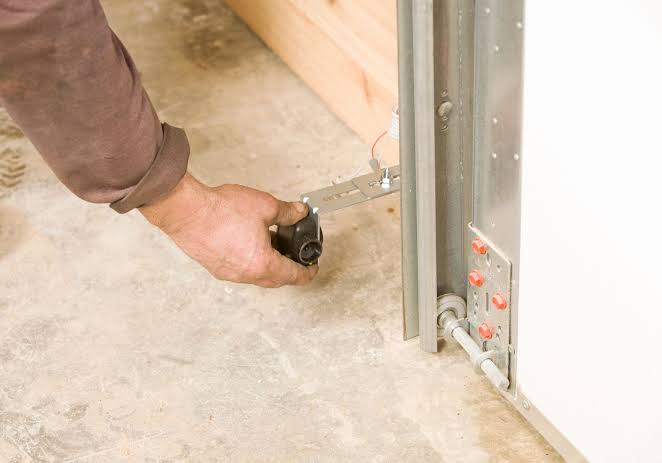
The #1 reason a garage door opens but won’t close is misaligned or dirty safety sensors. These small devices, located near the bottom of the door tracks, emit an invisible beam. If the beam is interrupted, the door assumes something is in the way and refuses to close.
Step-by-Step Sensor Check:
- Locate the sensors: Look for two small boxes on either side of the garage door, about 6 inches above the floor.
- Check the indicator lights: Most sensors have LED lights. A steady green light means they’re aligned; a blinking or red light indicates a problem.
- Clean the lenses: Use a soft, dry cloth to wipe away dust, spider webs, or debris.
- Realign if necessary: Loosen the mounting brackets slightly and adjust the sensors until both lights turn solid green. Tighten the brackets afterward.
- Test the door: Press the remote to see if it closes properly.
Pro Tip: If cleaning and realigning don’t work, check for sunlight interference. Direct sunlight hitting the sensor lens can sometimes disrupt the beam. Try closing the door during dusk or shade the sensors temporarily to test.
Inspect the Door Tracks and Rollers
Even if your sensors are working perfectly, physical obstructions in the tracks can prevent the door from closing. Over time, dirt, leaves, or small rocks can accumulate, causing the rollers to jam.
What to Do:
- Visual inspection: Shine a flashlight along the entire length of both tracks.
- Remove debris: Use a brush or vacuum to clean out any buildup.
- Lubricate rollers: Apply a silicone-based lubricant (not WD-40) to the rollers and hinges. This reduces friction and ensures smooth movement.
- Check for bends: If the tracks are bent or damaged, they may need professional repair.
| Issue | Symptom | Solution |
|---|---|---|
| Dirty sensors | Blinking LED light | Clean and realign |
| Obstructed tracks | Door stops midway | Clean and lubricate |
| Weak remote battery | Intermittent response | Replace batteries |
| Broken spring | Door feels heavy | Call a professional |
Test Your Remote Control Signal
Sometimes the issue isn’t with the door itself but with the remote control signal. If your garage door opens with remote but does not close, it could be due to signal interference or weak batteries.
Quick Fixes:
- Replace the batteries: Even if the remote seems to work, weak batteries can send inconsistent signals. Use fresh AAA or 9V batteries (check your manual).
- Reprogram the remote: Refer to your opener’s manual to reset and re-sync the remote.
- Check for interference: Other wireless devices (baby monitors, Wi-Fi routers) operating on similar frequencies can disrupt the signal. Try moving these devices away from the garage.
For more details on how garage door openers work, you can visit Wikipedia’s page on garage door openers.
Adjust the Close Limit Settings
Garage door openers have limit settings that determine how far the door travels up and down. If the close limit is set incorrectly, the door may think it has hit an obstacle and reverse.
How to Adjust:
- Locate the limit adjustment screws on the motor unit (usually labeled “Up” and “Down”).
- Turn the “Down” screw slightly clockwise to increase the closing distance.
- Test the door after each small adjustment.
- Stop when the door closes fully and seals against the ground.
⚠️ Warning: Make only small adjustments. Over-adjusting can cause the door to slam shut or damage the motor.
Examine the Springs and Cables
If your garage door feels unusually heavy or makes grinding noises, the springs or cables may be damaged. Torsion springs (located above the door) and extension springs (on the sides) bear the weight of the door. If one breaks, the opener may struggle to close it.
Signs of Spring Failure:
- Visible gaps in the torsion spring
- Loud snapping noise when operating the door
- Door falls quickly when manually lifted
🛑 Important: Never attempt to repair or replace garage door springs yourself. They are under extreme tension and can cause serious injury. Always call a licensed technician for spring-related issues.
FAQ: Common Questions About Garage Door Closing Issues
Q1: Why does my garage door close when I use the wall button but not the remote?
This usually indicates a remote-specific issue, such as weak batteries, signal interference, or the need for reprogramming. The wall button is wired directly to the opener, so it bypasses wireless problems.
Q2: Can weather affect my garage door’s ability to close?
Yes. Extreme cold can cause metal tracks to contract, leading to misalignment. Humidity can also cause wooden doors to swell. Regular maintenance and lubrication help mitigate these effects.
Q3: How often should I maintain my garage door?
Experts recommend bi-annual maintenance (spring and fall). This includes lubricating moving parts, checking sensor alignment, and inspecting cables and springs.
Q4: Is it safe to force the door closed manually?
No. Forcing the door can damage the opener, tracks, or safety mechanisms. If the door won’t close, identify and fix the root cause instead.
Q5: When should I call a professional?
Call a pro if:
- Springs or cables are broken
- The motor makes unusual noises
- You’ve tried all troubleshooting steps without success
- The door is uneven or off-track
Q6: How much does garage door repair cost?
Basic sensor realignment or remote reprogramming may cost $50–$100. Spring replacement typically ranges from $150–$350, depending on the door type and location.
Final Thoughts: Keep Your Garage Door Safe and Functional
Dealing with a garage door that opens with remote but does not close doesn’t have to be a headache. By systematically checking the sensors, tracks, remote, and limit settings, you can resolve most issues on your own. Remember, safety is paramount—never ignore strange noises or visible damage to springs and cables.
Regular maintenance not only prevents unexpected breakdowns but also extends the lifespan of your garage door system. Share this guide with friends or neighbors who might be facing similar issues. A well-functioning garage door keeps your home secure and your life convenient.
Got questions or success stories? Drop them in the comments below or share this article on social media to help others troubleshoot their garage door woes!
Leave a Reply