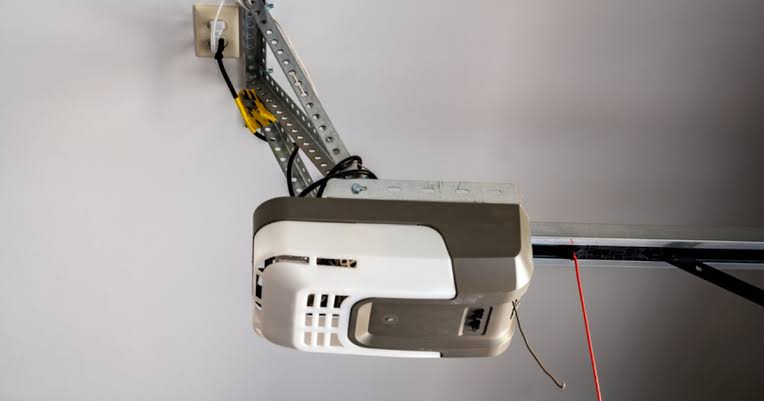
It is incredibly frustrating when you press the remote, hear the hum, but the door refuses to budge. If you are dealing with a garage door opener motor running but chain not moving, do not worry; this is a very common and easily fixable mechanical issue. Let us walk through the exact steps to diagnose and repair your system safely.
Why Is My Garage Door Opener Motor Running But Chain Not Moving?
To understand the problem, we must look at how the system works. The motor turns a drive sprocket, and the chain wraps around this sprocket to pull the door. If the motor runs but the chain stays still, the physical connection between the motor and the chain has failed.
According to the International Door Association (IDA), over 70% of garage door malfunctions stem from worn-out mechanical parts or a lack of routine maintenance. When the motor spins freely without moving the chain, it almost always points to a slipping mechanism rather than a dead motor.
What Are the Most Common Causes of a Slipping Chain?
Before grabbing your tools, it helps to know what might have gone wrong. Here are the primary culprits:
- Worn Drive Sprocket: The teeth on the metal or plastic gear wear down over years of use. When they become too smooth, the chain slips instead of catching.
- Extremely Loose Chain: If the chain loses tension, it derails from the sprocket teeth and spins uselessly inside the housing.
- Stripped Internal Gears: Many modern openers use a plastic worm gear designed to strip under extreme pressure to protect the motor. If this gear strips, the motor spins without engaging the chain.
- Broken Retaining Ring: A small metal clip (circlip) holds the sprocket in place. If it pops off, the sprocket will spin independently of the shaft.
How Do You Fix a Garage Door Chain That Won’t Move? (Step-by-Step)
Fixing this issue requires basic tools and a bit of patience. Follow these concrete steps to get your door moving again.
Step 1: Disconnect the Power Safety is paramount. Always unplug the opener from the ceiling outlet or flip the dedicated circuit breaker. You do not want the motor accidentally engaging while your hands are near the moving parts.
Step 2: Inspect the Drive Sprocket Look at the top of the motor unit. Remove the metal cover, which is usually held in place by four 5/16-inch hex head screws. Examine the sprocket closely. If the teeth look sharp, pointed, or completely smooth, the part is worn out and needs immediate replacement.
Step 3: Check the Chain Tension A garage door chain should not be tight like a bicycle chain. It should sit exactly 1/4 inch to 1/2 inch above the base of the rail at the midpoint. If it is sagging heavily, loosen the tension nut on the trolley and adjust the bolt until it reaches this specific height.
Step 4: Replace the Sprocket and Chain (If Worn) If the sprocket is damaged, use a pair of pliers to remove the retaining ring holding it. Slide the old gear off the shaft and press the new one firmly into place. Reattach the circlip securely using your pliers.
Step 5: Test the System Plug the unit back in and press the wall button. The chain should now move smoothly without any grinding noises. For a deeper understanding of how these mechanical systems operate, you can review the historical development and mechanics of the garage door on Wikipedia.
Chain Drive vs. Belt Drive: Which is Better for Your Home?
If your chain is completely destroyed, you might wonder if it is time for an upgrade. Here is a quick comparison to help you decide.
| Feature | Chain Drive Openers | Belt Drive Openers |
|---|---|---|
| Noise Level | Loud (metal-on-metal friction) | Very Quiet (rubber or fiberglass) |
| Durability | Extremely High | High |
| Maintenance | Requires regular lubrication | Virtually maintenance-free |
| Best For | Detached garages | Garages attached to bedrooms |
How to Prevent Future Chain and Sprocket Issues
Prevention is always cheaper than a repair. To extend the life of your opener, follow these simple habits:
- Lubricate Properly: Apply a dedicated garage door lubricant or white lithium grease to the chain every six months. Never use standard WD-40, as it attracts dirt and dries out the metal.
- Check the Alignment: Ensure the rail is perfectly aligned with the header bracket. A misaligned rail puts uneven stress on the chain.
- Balance the Door: Disconnect the opener and lift the door manually. It should stay open about 3 to 4 feet off the ground. If it slams shut, your springs are unbalanced, which forces the motor and chain to overwork.
When Should You Call a Professional?
While DIY fixes are highly rewarding, some issues require a certified technician. In a comprehensive safety report by the Door & Access Systems Manufacturers Association (DASMA), improper DIY adjustments to high-tension springs and complex motor internals accounted for nearly 30% of severe garage door injuries.
If you discover that the internal plastic gears are completely shredded, or if the door itself has jumped off its tracks, stop working and call a professional. High-tension springs store enough kinetic energy to cause severe harm if handled incorrectly.
Frequently Asked Questions (FAQ)
Q1: Can a loose chain damage the garage door opener motor? Yes, absolutely. A loose chain can derail and jam the trolley mechanism. This forces the motor to overwork against a physical blockage, which can quickly burn out the internal electrical components or strip the backup gears.
Q2: How often should I lubricate my garage door chain? You should lubricate the chain every six months, ideally during your spring and fall home maintenance routines. Use a dedicated garage door spray or white lithium grease for the best results.
Q3: Is it safe to operate the door manually if the chain is broken? Yes, but you must disengage the opener first. Pull the red emergency release cord down and toward the motor. This disconnects the trolley from the chain, allowing you to lift the heavy door by hand safely.
Q4: How much does it cost to replace a garage door chain? A replacement chain and sprocket kit typically costs between $20 and $40 at your local hardware store. If you hire a professional for the labor, expect the total bill to range from $120 to $200 depending on your region.
Conclusion
Dealing with a garage door opener motor running but chain not moving is usually as simple as adjusting the tension or replacing a worn sprocket. By following these step-by-step instructions, you can save hundreds of dollars on service calls and restore your home’s security in under an hour. Regular maintenance will ensure your system runs smoothly for years to come.
Did this guide help you get your garage door working again? Share this article on Facebook or Pinterest to help your friends and family fix their garage door headaches too!
Leave a Reply