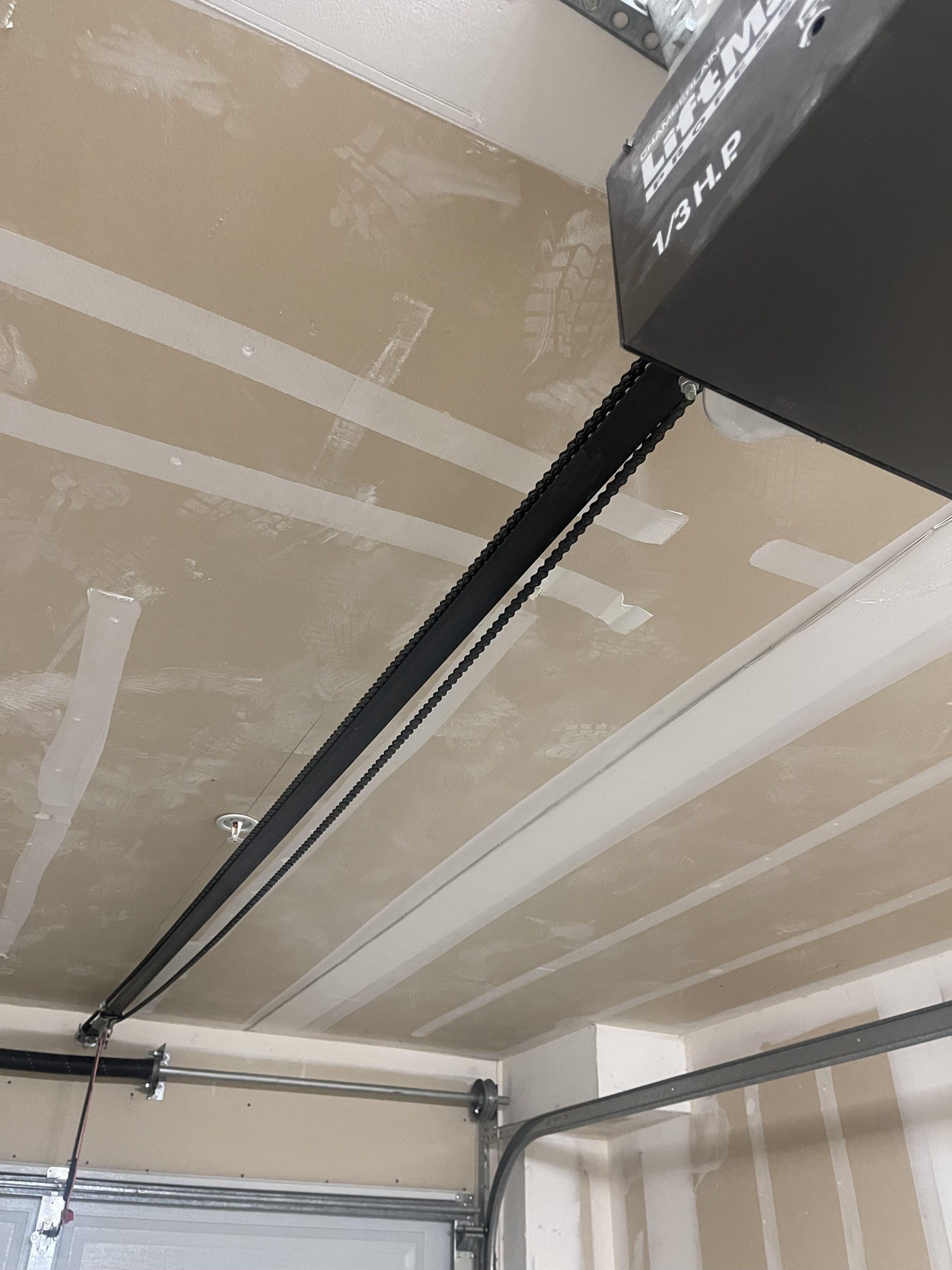
There’s nothing quite as frustrating as pressing your garage door remote, watching it start to close, and then suddenly reversing direction as if an invisible barrier is blocking its path. If your garage door acts like something is in the way when there’s clearly nothing there, you’re dealing with a common but solvable problem that affects thousands of homeowners every year.
This issue isn’t just inconvenient—it can compromise your home’s security and leave you stranded. The good news? Most causes are simple to diagnose and fix without calling a professional. Let’s dive into why this happens and how you can get your garage door working smoothly again.
Why Does My Garage Door Think There’s an Obstruction?
Before jumping into solutions, it’s essential to understand why modern garage doors behave this way. Since 1993, U.S. federal law has required all residential garage door openers to include an automatic reverse mechanism. This safety feature prevents the door from crushing objects, pets, or people underneath it.
The system relies primarily on two components:
- Photo-eye sensors (infrared beams near the floor)
- Force sensitivity settings (mechanical resistance detection)
When either component malfunctions or detects false signals, your garage door will reverse prematurely, acting like something is in the way even when the path is completely clear. According to the Consumer Product Safety Commission, garage door-related injuries send approximately 20,000 people to emergency rooms annually, which explains why these safety features are so sensitive by design.
Check and Clean Your Photo-Eye Sensors
The most common culprit behind phantom obstructions is dirty or misaligned photo-eye sensors. These small devices sit on either side of your garage door, typically 4–6 inches above the ground. They emit an invisible infrared beam that, when interrupted, tells the door to stop and reverse.
Step-by-Step Sensor Troubleshooting:
- Locate the sensors: Look for two small plastic units mounted on brackets near the bottom of your door tracks. One will have a green LED (sending unit), and the other will have a red or amber LED (receiving unit).
- Check the indicator lights: Both lights should be solid and steady. If one is blinking or off entirely, the sensors aren’t communicating properly.
- Clean the lenses: Use a soft, dry microfiber cloth to gently wipe both sensor lenses. Dust, spider webs, and dirt can block the infrared beam. Avoid using chemical cleaners, which may damage the plastic housing.
- Verify alignment: Stand back and ensure both sensors face each other directly. Even a slight misalignment of 1–2 degrees can break the connection. You should see a solid light on both units when properly aligned.
- Remove physical obstructions: Check for boxes, bikes, trash cans, or even tall grass that might intermittently block the beam. The clearance zone should be completely empty.
- Test the door: After cleaning and aligning, try closing the door. If it works normally, you’ve solved the problem.
Pro Tip: If your sensors are mounted on flexible brackets, they may have been bumped out of alignment by a car, lawn equipment, or even strong winds. Gently adjust them until both indicator lights remain solid.
Inspect the Door Tracks and Rollers
Sometimes the issue isn’t electronic at all—your garage door may physically encounter resistance that triggers the force-sensitivity reversal feature. When the motor detects unexpected drag, it assumes an obstruction and reverses direction.
What to Look For:
| Problem | Symptoms | Quick Fix |
|---|---|---|
| Bent tracks | Visible dents, uneven gaps | Gently hammer back into shape or call a pro |
| Loose hardware | Rattling noises, wobbly movement | Tighten bolts and brackets with a socket wrench |
| Dirty rollers | Grinding sounds, slow movement | Clean with degreaser and lubricate with silicone spray |
| Worn rollers | Chipped wheels, jerky motion | Replace with nylon or steel rollers ($15–$30 per set) |
Start by visually inspecting both vertical and horizontal tracks for bends, dents, or debris. Even a small rock or buildup of hardened grease can create enough resistance to trigger a reversal. Use a level to check that tracks are perfectly plumb and parallel.
Next, examine the rollers that glide along the tracks. If they’re cracked, chipped, or excessively worn, they’ll create friction that mimics an obstruction. Replacing old metal rollers with modern nylon ones can dramatically improve performance and reduce noise.
Adjust the Force Sensitivity Settings
If your sensors are clean and aligned, and your tracks are in good condition, the next step is to check the force adjustment settings on your garage door opener. These controls determine how much resistance the motor will tolerate before reversing.
Most openers have two adjustment screws or dials labeled “Up Force” and “Down Force” (or sometimes just “Force”). They’re usually located on the back or side of the motor unit.
How to Adjust Force Settings:
- Locate the adjustment controls: Consult your owner’s manual for exact locations. Common brands like Chamberlain, LiftMaster, and Genie place these controls on the motor housing.
- Make small adjustments: Turn the “Down Force” dial counterclockwise in quarter-turn increments to decrease sensitivity, or clockwise to increase it. Start with minimal changes—over-adjusting can create safety hazards.
- Test after each adjustment: Close the door and observe its behavior. It should close smoothly without reversing unnecessarily but still reverse immediately if it encounters genuine resistance.
- Find the sweet spot: The ideal setting allows the door to close fully under normal conditions while still reversing when it hits a real obstacle like a toy or pet.
Warning: Never disable the force sensitivity entirely. This safety feature exists to prevent serious injuries. If you cannot find a balanced setting, contact a licensed garage door technician.
Examine the Weather Stripping and Seals
An often-overlooked cause of phantom reversals is worn or swollen weather stripping along the bottom of your garage door. When this rubber seal becomes stiff, cracked, or absorbs moisture, it can create extra friction against the concrete floor.
During humid weather or after rain, swollen weather stripping may press firmly against the ground, triggering the force sensor. Similarly, if the seal has shifted out of position, it might catch on the threshold.
Quick Inspection Checklist:
- Run your hand along the bottom seal—does it feel brittle, cracked, or uneven?
- Check for visible gaps or sections hanging loose
- Look for water damage or mold growth on the rubber
- Ensure the seal sits flush against the floor without bunching
Replacing weather stripping costs $10–$25 and takes about 15 minutes. Most home improvement stores carry universal-fit seals that work with standard garage doors. Simply pull out the old strip and press the new one into the channel along the door’s bottom edge.
Reset Your Garage Door Opener
Sometimes the solution is surprisingly simple: a full system reset. Electronic glitches, power surges, or software bugs can cause your opener to behave erratically, including false obstruction detections.
How to Perform a Hard Reset:
- Unplug the opener from the electrical outlet or turn off the circuit breaker for 30 seconds
- Disconnect the backup battery (if equipped) for an additional 10 seconds
- Reconnect power and wait for the unit to reboot (usually 1–2 minutes)
- Reprogram your remotes and keypad if necessary
- Test the door through several complete open-close cycles
This process clears temporary memory errors and restores factory default settings. Many homeowners report immediate improvements after a reset, especially following stormy weather or power outages.
When to Call a Professional
While most “phantom obstruction” issues are DIY-friendly, certain situations require expert attention:
- Springs are damaged or broken: Torsion springs store enormous energy and can cause severe injury if handled incorrectly
- Cables are frayed or snapped: These support the door’s weight and need professional replacement
- Motor makes unusual noises: Grinding, screeching, or burning smells indicate internal mechanical failure
- Door falls rapidly: This suggests a critical safety failure requiring immediate service
- Repeated problems persist: If you’ve tried all troubleshooting steps and the issue returns, there may be a deeper electrical or mechanical fault
According to industry data, professional garage door repairs typically cost $150–$350 for common issues, while full opener replacements range from $300–$600 installed. Investing in proper repairs now prevents costly emergencies later.
Frequently Asked Questions
Q: Can sunlight interfere with garage door sensors?
A: Yes, direct sunlight can occasionally overwhelm infrared sensors, particularly during sunrise or sunset when the sun aligns with the sensor beam. If you notice problems only at specific times of day, try shading the sensors with a small piece of cardboard or adjusting their angle slightly. Some homeowners install simple sun shields made from PVC pipe or commercial sensor covers.
Q: How often should I clean my garage door sensors?
A: Clean your photo-eye sensors every 3–6 months, or more frequently if you live in a dusty area, have pets, or notice cobwebs forming. Regular maintenance prevents most false reversal issues. Make it part of your seasonal home maintenance routine alongside checking smoke detectors and HVAC filters.
Q: My garage door reverses halfway down every time. What’s wrong?
A: This pattern typically indicates either severely misaligned sensors, excessive force sensitivity, or significant track obstruction. Start by checking sensor alignment and cleaning the lenses. If that doesn’t resolve it, inspect the tracks for bends or debris. Finally, adjust the down-force setting incrementally. If the problem persists after all three steps, consult a professional technician.
Q: Is it safe to bypass the safety sensors temporarily?
A: Absolutely not. Bypassing safety sensors violates federal law and creates extreme danger for children, pets, and adults. The auto-reverse feature prevents dozens of serious injuries and fatalities each year. If your sensors malfunction, repair or replace them immediately rather than attempting to circumvent them. Most modern openers won’t operate at all if sensors are disconnected or nonfunctional.
Q: Why does my garage door work fine in winter but act up in summer?
A: Temperature and humidity changes affect multiple components. Heat can cause metal tracks to expand slightly, creating binding. Humidity swells wooden doors and rubber weather stripping. Thermal expansion may also shift sensor brackets out of alignment. Additionally, summer storms bring power fluctuations that can glitch electronic systems. Address seasonal issues proactively by lubricating moving parts and checking alignments twice yearly.
Q: How long do garage door sensors last?
A: Quality photo-eye sensors typically last 10–15 years with proper maintenance. However, exposure to extreme temperatures, moisture, vibration, and UV radiation can shorten their lifespan. If your sensors are older than a decade and causing frequent problems, replacement is often more cost-effective than repeated troubleshooting. Universal replacement sensors cost $20–$40 and install easily with basic tools.
Conclusion
Dealing with a garage door that acts like something is in the way is frustrating, but it’s rarely a catastrophic problem. In most cases, the issue stems from dirty sensors, minor misalignments, or adjustable force settings—all fixable with basic tools and 30 minutes of your time.
By systematically checking your photo-eye sensors, inspecting tracks and rollers, adjusting force sensitivity, and maintaining weather stripping, you can restore smooth, reliable operation to your garage door. Remember to prioritize safety: never bypass protective features, and call a professional when dealing with springs, cables, or persistent mechanical failures.
Did this guide help you solve your garage door problem? Share it with friends and neighbors who might be facing similar issues. A well-functioning garage door keeps your home secure and your daily routine running smoothly. Don’t let phantom obstructions slow you down—take action today and enjoy hassle-free access to your garage tomorrow!
Leave a Reply