Introduction
There’s nothing quite as frustrating as pressing your garage door opener button, watching the door lift just a few inches, and then coming to an abrupt halt. You’re left standing there, wondering what went wrong and whether you’ll be able to get your car out or secure your home properly. If your garage door only goes up a few inches and stops, you’re not alone—this is one of the most common garage door issues homeowners face. The good news? Most causes are fixable, often without calling a professional. In this comprehensive guide, we’ll walk you through everything you need to know to diagnose and resolve this problem safely and effectively.
Why Does My Garage Door Only Go Up A Few Inches?
Before jumping into solutions, it’s crucial to understand why this happens. Garage doors are complex systems involving springs, cables, rollers, tracks, sensors, and openers. When any component malfunctions or becomes misaligned, the door may stop prematurely. According to the International Door Association, over 60% of garage door service calls involve issues related to alignment, sensor problems, or spring tension.
Common reasons include:
- Obstructed safety sensors: Modern garage doors have infrared sensors that prevent closing if something blocks the beam.
- Misaligned tracks: Even slight bends or gaps can cause the door to jam.
- Broken or worn springs: Torsion or extension springs provide the lifting force; if they fail, the door won’t move properly.
- Opener limit settings incorrect: The opener may think the door has reached its full height when it hasn’t.
- Lubrication issues: Dry rollers or hinges create friction, causing the motor to stall.
Understanding these root causes helps you target the right fix.
Check Your Safety Sensors First
One of the most frequent culprits behind a garage door that only lifts partially is misaligned or dirty safety sensors. These small devices, located near the bottom of each side of the door frame, emit an invisible infrared beam. If the beam is interrupted—even by dust, cobwebs, or slight misalignment—the door will stop moving as a safety precaution.
How to Inspect and Clean Sensors:
- Locate the sensors: Look for two small boxes mounted on either side of the garage door, about 6 inches above the floor.
- Check the indicator lights: Most sensors have LED lights. A steady green light means they’re aligned; a blinking or red light indicates a problem.
- Clean the lenses: Use a soft, dry cloth to wipe away dirt, spider webs, or debris.
- Realign if necessary: Loosen the mounting brackets slightly and adjust the sensors until both lights turn solid green. Tighten the brackets securely.
If cleaning and realigning don’t work, test the sensors by placing an object (like a cardboard box) in the doorway while attempting to close the door. If the door reverses immediately, the sensors are functioning correctly, and the issue lies elsewhere.
Inspect the Tracks for Damage or Misalignment
Garage door tracks guide the rollers as the door moves up and down. Over time, tracks can become bent, dented, or loose, causing the door to bind or stop unexpectedly.
Steps to Examine and Adjust Tracks:
- Visually inspect both vertical and horizontal tracks for dents, gaps, or bends.
- Check bracket tightness: Ensure all track brackets are firmly attached to the wall and ceiling.
- Test roller movement: Manually lift the door halfway and observe if rollers move smoothly along the track. If they catch or jump, the track is likely misaligned.
- Use a level: Place a carpenter’s level against the vertical tracks. They should be perfectly plumb (vertical). Horizontal tracks should slope slightly downward toward the back of the garage.
Minor misalignments can sometimes be corrected by gently tapping the track with a rubber mallet. However, significant damage requires professional repair to avoid further complications.
Evaluate Spring Condition and Tension
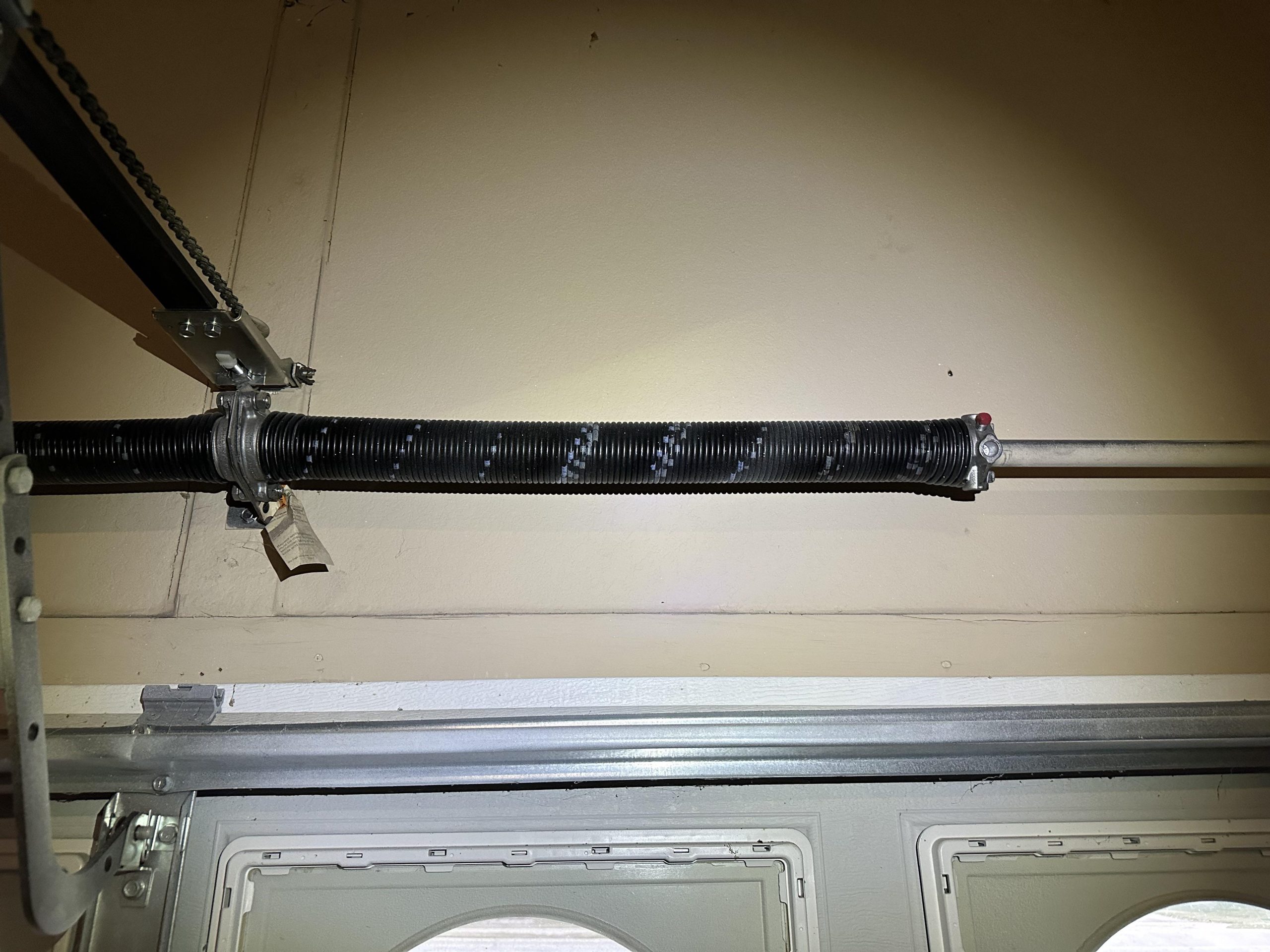
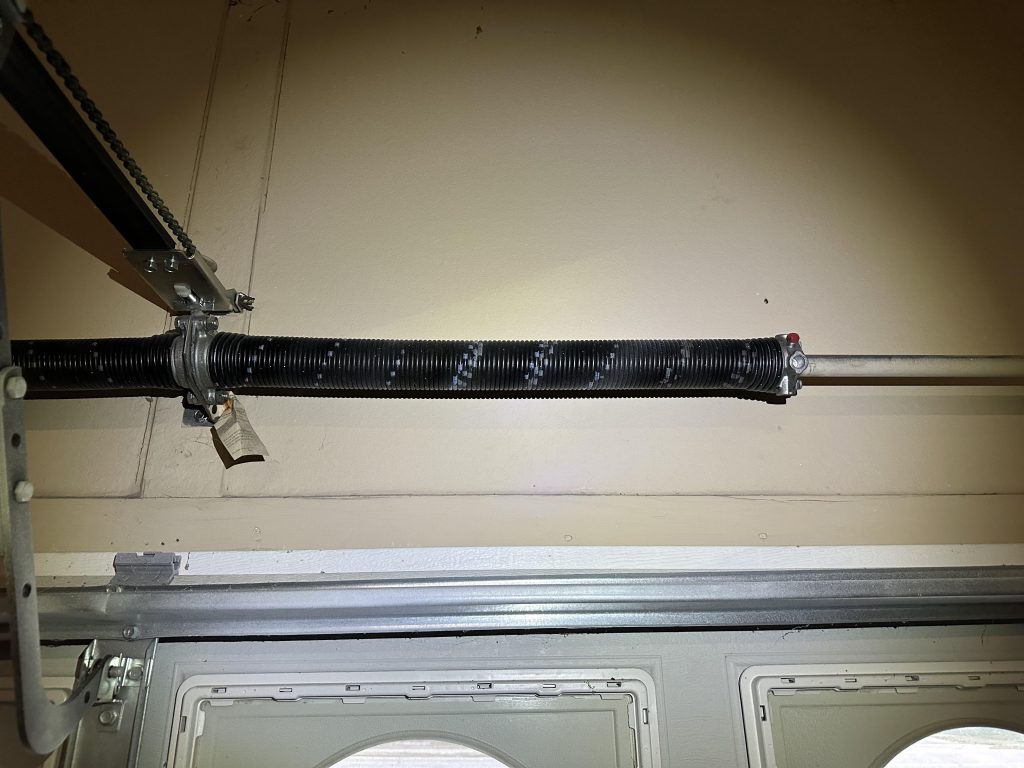
Garage door springs bear the majority of the door’s weight. There are two types: torsion springs (mounted above the door) and extension springs (located on either side). When springs lose tension or break, the opener struggles to lift the door, often stopping after only a few inches.
Warning Signs of Spring Problems:
- Loud snapping noise when operating the door
- Visible gap in torsion spring coils
- Door feels unusually heavy when lifted manually
- Uneven movement or tilting
Caution: Garage door springs are under extreme tension and can cause serious injury if handled improperly. The U.S. Consumer Product Safety Commission recommends hiring a licensed technician for spring repairs. Never attempt to adjust or replace springs yourself unless you have proper training and tools.
Adjust Opener Limit Settings
Your garage door opener has built-in limit switches that tell it when to stop opening and closing. If these settings are incorrect, the door may stop prematurely.
How to Adjust Limit Settings:
- Locate the limit adjustment screws on your opener unit (usually labeled “Up” and “Down”).
- Mark the current position with a pencil for reference.
- Turn the “Up” limit screw clockwise in small increments (¼ turn at a time).
- Test the door after each adjustment until it opens fully.
- Repeat for the “Down” limit if the door doesn’t close completely.
Refer to your opener’s manual for model-specific instructions. Most modern openers also have a “force” setting that controls how much power the motor applies. If the force is set too low, the door may stop when encountering minor resistance.
Lubricate Moving Parts Regularly
Friction is a silent killer of garage door performance. Rollers, hinges, springs, and tracks need regular lubrication to operate smoothly. Without it, the motor works harder, potentially triggering safety mechanisms that stop the door.
Best Practices for Lubrication:
- Use silicone-based or lithium grease spray—avoid WD-40, which attracts dust.
- Apply sparingly to rollers, hinges, and spring coils.
- Wipe excess lubricant to prevent buildup.
- Perform this maintenance every 6 months.
A well-lubricated door operates quieter, lasts longer, and reduces strain on the opener motor.
When to Call a Professional
While many garage door issues can be resolved with DIY efforts, some situations demand expert attention:
| Scenario | Recommended Action |
|---|---|
| Broken or damaged springs | Call a licensed technician immediately |
| Severe track damage or bending | Professional repair required |
| Opener motor failure | Replace or repair by certified technician |
| Electrical wiring issues | Hire an electrician or garage door specialist |
| Persistent problems after DIY fixes | Schedule professional inspection |
Attempting complex repairs without proper knowledge can void warranties, cause further damage, or result in personal injury.
FAQ Section
Q1: Can I fix a garage door that only goes up a few inches myself?
Yes, many causes—such as sensor misalignment, dirty lenses, or incorrect limit settings—can be fixed by homeowners with basic tools. However, spring-related issues should always be handled by professionals due to safety risks.
Q2: How often should I maintain my garage door?
Experts recommend inspecting and lubricating your garage door every six months. Annual professional inspections can catch hidden issues before they become major problems.
Q3: Why does my garage door reverse after going up a few inches?
This typically indicates obstructed safety sensors or excessive force resistance. Check sensor alignment first, then inspect tracks and rollers for obstructions or damage.
Q4: Is it dangerous to operate a garage door with broken springs?
Absolutely. Broken springs remove the counterbalance mechanism, making the door extremely heavy and unpredictable. Operating it in this condition can damage the opener, tracks, or cause the door to fall suddenly.
Q5: How much does it cost to repair a garage door that won’t open fully?
Costs vary widely depending on the issue. Simple adjustments or sensor cleaning may cost $50–$100 if done professionally. Spring replacement ranges from $150–$350, while track repairs can run $100–$250. DIY fixes cost only your time and materials.
Q6: Will resetting my garage door opener help?
Resetting the opener can resolve electronic glitches or programming errors. Consult your manual for reset instructions. However, if the underlying mechanical issue persists, resetting alone won’t solve the problem.
Conclusion
Dealing with a garage door that only goes up a few inches and stops doesn’t have to be a headache. By systematically checking sensors, tracks, springs, limit settings, and lubrication, most homeowners can identify and resolve the issue safely. Remember, regular maintenance prevents future problems and extends the life of your garage door system.
If you found this guide helpful, share it with friends or neighbors who might be facing similar challenges. A well-functioning garage door isn’t just about convenience—it’s about safety, security, and peace of mind. Don’t let a minor glitch disrupt your daily routine. Take action today, and keep your garage door running smoothly for years to come!
Leave a Reply