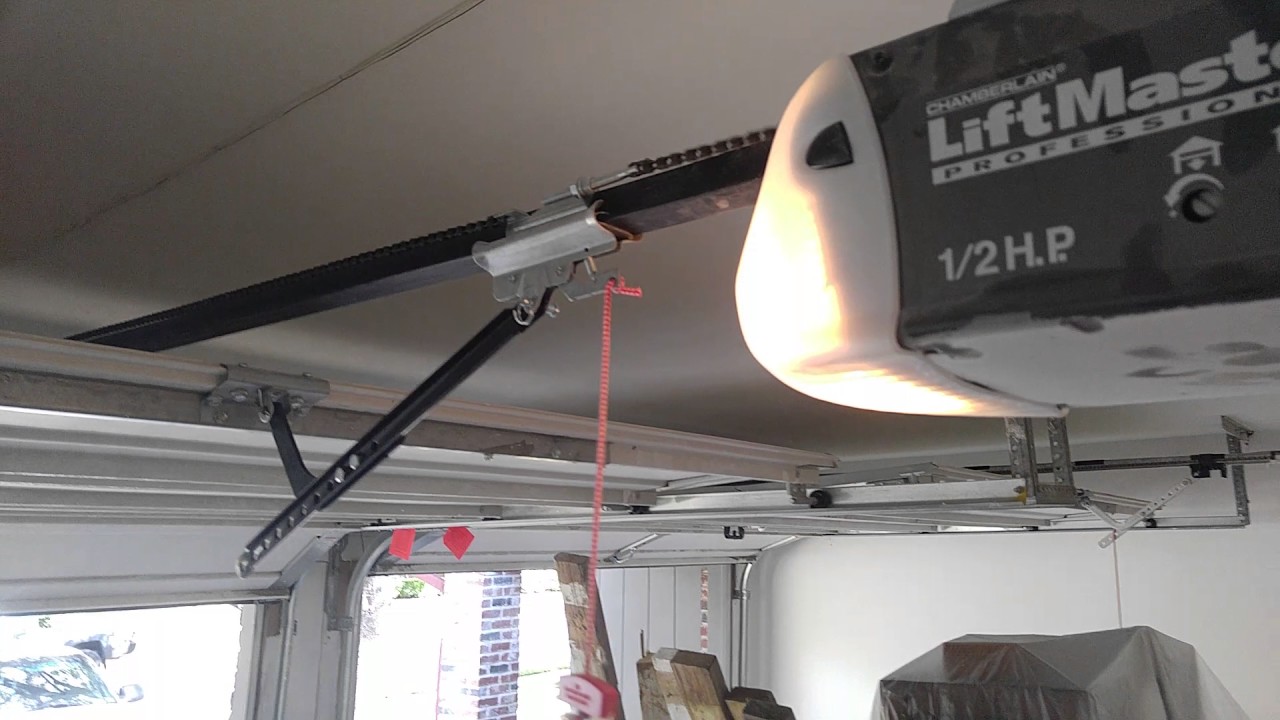
Is your Liftmaster garage door opener not opening all the way? You’re not alone. This frustrating issue affects thousands of homeowners every year, leaving vehicles stuck outside or requiring manual intervention just to access the garage. Whether it’s a minor adjustment or a mechanical fault, understanding the root cause is the first step toward a quick and lasting solution.
In this comprehensive guide, we’ll walk you through everything you need to know—from simple DIY fixes to knowing when to call a professional. Let’s get your garage door working smoothly again.
Why Won’t My Liftmaster Garage Door Open Completely?
Before diving into solutions, it’s essential to understand why this happens. Several factors can prevent your Liftmaster opener from fully raising the door:
- Incorrect travel limit settings: The most common culprit.
- Obstructed safety sensors: Misaligned or dirty sensors can halt operation.
- Worn-out springs or cables: Mechanical wear reduces lifting power.
- Power supply issues: Voltage fluctuations or weak batteries in remotes.
- Software glitches: Especially in newer Wi-Fi-enabled models.
According to the International Door Association (IDA), nearly 60% of garage door service calls are related to misadjusted limits or sensor problems—issues that homeowners can often fix themselves with the right guidance.
How to Adjust Travel Limits on Your Liftmaster Opener
The travel limit settings tell your opener how far to move the door up and down. If these are set incorrectly, the door will stop prematurely.
Step-by-Step Adjustment Guide:
- Locate the limit adjustment screws
On most Liftmaster models, you’ll find two small screws labeled “Up” and “Down” on the motor unit’s side panel. - Use a flathead screwdriver
Turn the “Up” limit screw clockwise to increase the opening height, or counterclockwise to decrease it. Make small adjustments—quarter-turns only. - Test the door
Press the wall button or remote to open the door. Observe if it reaches the desired height. Repeat adjustments as needed. - Secure the settings
Once satisfied, ensure the screws are snug but not overtightened.
Pro Tip: Refer to your specific model’s manual for exact screw locations. You can download official manuals from Liftmaster’s support site.
Are Your Safety Sensors Blocking Full Operation?
Modern Liftmaster openers use infrared safety sensors near the floor on both sides of the garage door. If these are misaligned, dirty, or obstructed, the door may reverse or stop mid-cycle.
Quick Sensor Check:
- Look for solid LED lights: Both sensors should show a steady green or amber light. A blinking light indicates misalignment.
- Clean the lenses: Wipe with a soft, dry cloth to remove dust or spiderwebs.
- Check alignment: Ensure both sensors face each other directly. Use a level to confirm they’re at the same height.
- Remove obstructions: Clear any boxes, tools, or debris from the sensor path.
If the sensors appear fine but the problem persists, try unplugging the opener for 30 seconds to reset the system.
Could Worn Springs or Cables Be the Problem?
Garage door springs bear the weight of the door. Over time, they lose tension or break, making it difficult for the opener to lift the door fully.
Signs of Spring Wear:
| Symptom | Possible Cause |
|---|---|
| Door feels heavy when lifted manually | Weak or broken spring |
| Loud snapping noise | Spring failure |
| Uneven movement | Cable or spring imbalance |
⚠️ Warning: Garage door springs are under extreme tension. Never attempt to replace them yourself. Always hire a licensed technician for spring-related repairs.
Is Your Remote or Wall Control Malfunctioning?
Sometimes the issue isn’t with the opener itself but with the control device. Weak batteries, signal interference, or faulty buttons can prevent full operation.
Troubleshooting Steps:
- Replace remote batteries with fresh alkaline cells.
- Reprogram the remote following the instructions in your manual.
- Test the wall control directly. If it works, the issue is likely with the remote.
- Check for interference from nearby electronics (e.g., LED bulbs, Wi-Fi routers).
For more on garage door automation standards, see Wikipedia’s overview of garage door openers.
When Should You Call a Professional?
While many issues are DIY-friendly, some situations require expert attention:
- Broken or damaged springs
- Frayed or snapped cables
- Motor humming but no movement
- Repeated failures after adjustments
- Electrical wiring concerns
Professional technicians have the tools and training to handle high-tension components safely. According to HomeAdvisor, the average cost for a garage door service call ranges from $150 to $350, depending on complexity.
FAQ: Common Questions About Liftmaster Opener Issues
Q1: Why does my Liftmaster door open halfway and then stop?
A: This is typically caused by incorrect up-limit settings or obstructed safety sensors. Adjust the limit screws and check sensor alignment first.
Q2: Can I reset my Liftmaster opener to factory settings?
A: Yes. Most models allow a reset by holding the “Learn” button for 10–15 seconds until the LED blinks. Consult your manual for model-specific instructions.
Q3: How often should I maintain my garage door opener?
A: Perform basic checks every 6 months: lubricate moving parts, test safety sensors, and inspect cables. Annual professional inspections are recommended.
Q4: Will a power outage affect my opener’s settings?
A: No. Travel limits and codes are stored in non-volatile memory. However, you may need to reprogram remotes if the backup battery dies.
Q5: My door opens slowly. Is this normal?
A: Slow operation can indicate worn gears, low voltage, or aging motors. If it’s significantly slower than usual, have it inspected.
Q6: Can I upgrade my old Liftmaster to a smart model?
A: Yes. Liftmaster offers retrofit kits and new smart openers with Wi-Fi connectivity, allowing control via smartphone apps like MyQ.
Final Thoughts: Keep Your Garage Door Running Smoothly
Dealing with a Liftmaster garage door opener not opening all the way doesn’t have to be stressful. By systematically checking limit settings, sensors, and mechanical components, most homeowners can resolve the issue quickly and safely. Regular maintenance not only prevents future problems but also extends the lifespan of your opener.
If you found this guide helpful, share it with friends or neighbors who might be facing similar issues. A well-functioning garage door is essential for convenience, security, and peace of mind.
Stay proactive, stay safe, and keep your garage door moving! 🚗🔧
Leave a Reply