Introduction
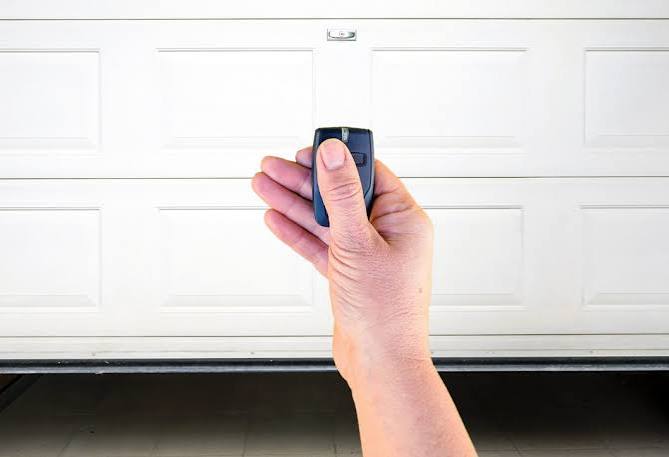
There’s nothing more frustrating than standing in your driveway, pressing the remote button, and watching your garage door refuse to come down. You’re not alone—thousands of homeowners face this exact issue every month. When your garage door goes up but not down with remote, it’s usually a simple fix rather than a major mechanical failure. In this guide, we’ll walk you through the most common causes and provide step-by-step solutions to get your door working properly again.
Why Does My Garage Door Go Up But Not Down?
Before diving into fixes, it’s important to understand why this happens. Garage doors are equipped with multiple safety features designed to prevent accidents. When something interferes with these systems, the door may operate in one direction but not the other.
Common Causes at a Glance
| Cause | Likelihood | Difficulty to Fix |
|---|---|---|
| Obstructed safety sensors | Very High | Easy |
| Misaligned sensors | High | Easy |
| Remote control battery issue | Medium | Very Easy |
| Travel limit settings incorrect | Medium | Moderate |
| Damaged remote or opener | Low | Moderate to Hard |
Understanding the root cause helps you choose the right solution without wasting time on unnecessary repairs.
Check and Clean the Safety Sensors First
The number one reason a garage door goes up but won’t come down is obstructed or misaligned safety sensors. These small devices, located near the bottom of the door tracks, emit an invisible beam. If anything blocks this beam, the door will reverse or refuse to close as a safety precaution.
Step-by-Step Sensor Check
- Locate the sensors: Look for two small boxes mounted on either side of the garage door, about 6 inches above the floor.
- Check the indicator lights: Most sensors have LED lights. A steady green light means they’re aligned; a blinking or red light indicates a problem.
- Clean the lenses: Use a soft, dry cloth to wipe away dust, spider webs, or debris from the sensor lenses.
- Ensure proper alignment: The sensors must face each other directly. If one is tilted, gently adjust it until both lights turn solid green.
- Test the door: Press the remote button to see if the door now closes properly.
According to the International Door Association, nearly 80% of garage door closing issues are related to sensor problems. This makes sensor maintenance the first thing you should check.
Inspect and Replace Remote Control Batteries
A weak or dead battery in your remote can cause inconsistent signals. While this might seem obvious, many homeowners overlook this simple fix.
How to Test Your Remote
- Try a different remote: If you have a spare remote or a wall-mounted button inside the garage, test whether the door closes using those controls.
- Replace the batteries: Open the remote casing and replace the batteries with fresh ones. Use the same type and brand recommended by the manufacturer.
- Reprogram if necessary: After replacing batteries, some remotes require reprogramming. Consult your opener’s manual for specific instructions.
If the door works with the wall button but not the remote, the issue is likely with the remote itself rather than the opener mechanism.
Adjust the Travel Limit Settings
Garage door openers have travel limit settings that determine how far the door moves up and down. If the down limit is set incorrectly, the door may stop before fully closing or refuse to go down at all.
How to Adjust Travel Limits
- Locate the adjustment screws: On most openers, you’ll find two screws labeled “Up” and “Down” on the motor unit.
- Adjust the down limit: Turn the “Down” screw slightly (usually clockwise increases travel distance). Make small adjustments—about a quarter turn at a time.
- Test after each adjustment: Press the remote to see if the door closes fully. Continue adjusting until the door shuts completely without reversing.
- Avoid over-adjustment: Setting the limit too far can damage the door or opener mechanism.
Pro Tip: Refer to your opener’s manual for model-specific instructions, as adjustment methods vary between brands like Chamberlain, LiftMaster, and Genie.
Examine the Door Tracks and Rollers
Physical obstructions in the door tracks can prevent smooth operation. Even small debris or bent tracks can cause the door to malfunction.
What to Look For
- Debris in tracks: Remove any leaves, twigs, or dirt using a brush or vacuum.
- Bent or damaged tracks: Inspect the metal tracks for dents or bends. Minor bends can sometimes be straightened with a rubber mallet.
- Worn rollers: Check if the rollers move smoothly. If they’re cracked or stuck, they may need replacement.
Lubricating the tracks and rollers with a silicone-based lubricant can also improve performance. Avoid using WD-40, as it attracts dust and can worsen the problem over time.
Reset and Reprogram Your Garage Door Opener
Sometimes, the opener’s internal memory gets corrupted, causing erratic behavior. A full reset can resolve this issue.
Reset Procedure
- Disconnect power: Unplug the opener or turn off the circuit breaker for 30 seconds.
- Restore power: Plug it back in or turn the breaker on.
- Reprogram the remote: Follow the manufacturer’s instructions to sync the remote with the opener. This typically involves pressing a “Learn” button on the motor unit and then pressing the remote button.
- Test functionality: Ensure the door opens and closes smoothly with the remote.
For detailed reset instructions, visit the Wikipedia page on garage door openers for general technical background.
When to Call a Professional
While many issues can be fixed DIY, some situations require professional assistance:
- Broken springs: Torsion or extension springs are under extreme tension and can be dangerous to handle.
- Damaged cables: Frayed or snapped cables should only be replaced by trained technicians.
- Motor failure: If the opener motor makes unusual noises or doesn’t respond, it may need replacement.
- Persistent problems: If you’ve tried all the above steps and the issue remains, consult a licensed garage door technician.
According to industry data, professional repairs typically cost between $150–$350, depending on the issue. However, attempting complex repairs without proper knowledge can lead to higher costs or safety hazards.
FAQ Section
Q1: Why does my garage door reverse immediately after trying to close?
A: This is almost always caused by obstructed or misaligned safety sensors. Check that nothing is blocking the sensor beam and that both sensors are properly aligned facing each other.
Q2: Can weather affect my garage door’s ability to close?
A: Yes. Extreme temperatures can cause metal tracks to expand or contract, affecting alignment. Additionally, moisture can interfere with sensor functionality. Regular maintenance helps mitigate these effects.
Q3: How often should I replace my remote control batteries?
A: Typically every 12–18 months, depending on usage. If you notice reduced range or intermittent functionality, replace the batteries sooner.
Q4: Is it safe to bypass the safety sensors?
A: No. Bypassing safety sensors is extremely dangerous and violates safety regulations. The sensors prevent the door from closing on people, pets, or objects. Always keep them functional.
Q5: My remote works intermittently. What should I do?
A: Intermittent issues often stem from weak batteries, signal interference from nearby electronics, or a failing remote. Try replacing batteries first, then test in different locations to rule out interference.
Q6: How long do garage door openers typically last?
A: Most quality openers last 10–15 years with proper maintenance. If your opener is older and experiencing frequent issues, consider upgrading to a newer model with improved safety features.
Conclusion
Dealing with a garage door that goes up but not down with remote doesn’t have to be stressful. By systematically checking the safety sensors, remote batteries, travel limits, and physical components, you can resolve most issues without professional help. Remember, safety should always be your top priority—never bypass safety features or attempt dangerous repairs like spring replacement on your own.
If you found this guide helpful, please share it with friends or family who might be facing similar issues. A quick share on social media could save someone hours of frustration! And if you have additional questions or experiences to share, drop a comment below—we’d love to hear from you.
Stay safe, and may your garage door always work smoothly!
Leave a Reply