Introduction
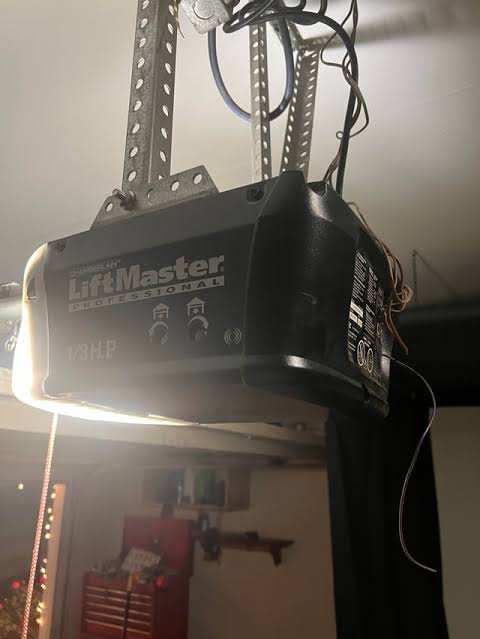
Is your old garage door opener making grinding noises or failing to lift your heavy wooden door? You are not alone; millions of American homeowners face this frustration every year, often worrying about security risks and daily inconvenience. Finding a reliable replacement that balances power, durability, and ease of use is critical for maintaining your home’s safety and functionality. This is where the Chamberlain LiftMaster Professional 1/3 HP Garage Door Opener comes into play, offering a trusted solution for standard residential doors.
In this guide, we will break down everything you need to know about this specific model. Whether you are looking to replace an aging unit or install a new system, we will cover performance metrics, installation nuances, and expert maintenance tips to ensure your garage operates smoothly for years to come.
What Is the Chamberlain LiftMaster Professional 1/3 HP?
The Chamberlain LiftMaster Professional series has long been a staple in the US garage door market. The 1/3 HP (Horsepower) model is designed specifically for single-car garages with lightweight doors, typically made of aluminum or thin steel without heavy insulation.
Unlike its heavier-duty counterparts (such as the 1/2 HP or 3/4 HP models), the 1/3 HP motor is engineered for efficiency rather than brute force. It provides sufficient torque to lift standard sectional doors up to 7 feet high. According to industry standards, a 1/3 HP opener is ideal for doors weighing less than 150 pounds. If your door is heavily insulated or made of solid wood, you might need a more powerful unit, but for the average suburban home, this model strikes a perfect balance between cost and performance.
Key Specifications at a Glance
| Feature | Specification |
|---|---|
| Motor Power | 1/3 HP DC Motor |
| Drive Type | Chain Drive (Standard) or Belt Drive (Quiet Models) |
| Max Door Height | 7 Feet (Standard) |
| Security Protocol | Security+ 2.0® Rolling Code Technology |
| Warranty | Typically 1–5 Years (Varies by Model Year) |
| Smart Compatibility | Compatible with myQ® App (with Wi-Fi Hub) |
Why Choose a 1/3 HP Motor Over Higher Horsepower?
Many homeowners mistakenly believe that “more horsepower is always better.” However, selecting the right motor size is crucial for the longevity of both the opener and your garage door springs.
1. Cost-Effectiveness
The Chamberlain LiftMaster Professional 1/3 HP Garage Door Opener is significantly more affordable than 1/2 HP or 3/4 HP models. For a single-car garage, paying extra for power you don’t need is an unnecessary expense.
2. Reduced Wear and Tear
Using an oversized motor on a light door can cause the door to travel too quickly, putting excessive stress on the rollers, tracks, and springs. A 1/3 HP motor provides a controlled, steady lift that preserves the mechanical integrity of your door system.
3. Energy Efficiency
Smaller motors consume less electricity. While the difference per cycle is minimal, over the lifespan of the device, a 1/3 HP unit contributes to a slightly lower carbon footprint and energy bill.
How Does Security+ 2.0® Technology Protect Your Home?
One of the standout features of the LiftMaster Professional series is its advanced security protocol. In the past, garage door openers used fixed codes, which were vulnerable to “code grabbing” attacks by thieves.
The Security+ 2.0® technology changes the access code every time you use your remote. This rolling code system ensures that even if a signal is intercepted, it cannot be reused to open your garage. This feature is essential for modern home security, providing peace of mind that your entry point is secure.
For more detailed information on how rolling code technology works, you can refer to the technical overview on Wikipedia.
Step-by-Step Installation Guide
Installing a garage door opener can be a DIY project if you are handy, but it requires precision. Always prioritize safety and disconnect power before beginning.
Tools Needed:
- Stepladder
- Wrench set and socket set
- Drill with bits
- Level
- Assistant (highly recommended)
Step 1: Assemble the Rail
Lay out the rail sections on the floor. Connect them using the provided bolts, ensuring they are straight and aligned. Attach the trolley and the belt or chain according to the manual’s diagram.
Step 2: Install the Header Bracket
Locate the center of your garage door opening. Measure the height required for your specific door type (usually 2–4 inches above the top of the door). Secure the header bracket firmly into the structural framing above the door, not just the drywall.
Step 3: Mount the Opener Unit
With the help of an assistant, lift the motor unit and place it on a sturdy ladder or temporary support. Attach the front of the rail to the header bracket. Then, install the rear mounting bracket to the ceiling joist. Ensure the unit is level.
Step 4: Connect the Door Arm
Attach the curved door arm to the trolley and the straight door arm to the top section of your garage door. Use the provided clevis pins and cotter keys. Note: Do not tighten the bolts completely yet; allow for slight movement during alignment.
Step 5: Set Travel Limits and Force
Plug in the unit. Follow the instructions to set the “Up” and “Down” limits. The door should close completely and seal against the weather stripping without reversing unnecessarily. Adjust the force settings so the door reverses immediately if it hits an obstacle (test with a 2×4 block of wood on the floor).
Common Issues and Troubleshooting Tips
Even the most reliable machines encounter issues. Here are common problems with the Chamberlain LiftMaster Professional 1/3 HP Garage Door Opener and how to fix them.
The Door Reverses Before Closing
This is usually a sensor issue. Check the safety eyes located near the floor on both sides of the door.
- Check Alignment: Ensure the LED lights on both sensors are solid (not blinking).
- Clean Lenses: Wipe away dust, spiderwebs, or dirt.
- Obstructions: Remove any items blocking the beam path.
The Motor Runs But the Door Doesn’t Move
If you hear the motor humming but the door stays put, the drive mechanism may be disengaged.
- Inspect the Trolley: Check if the release cord was accidentally pulled, disengaging the opener from the door. Pull the handle toward the door to re-engage it.
- Check the Chain/Belt: If it is loose, it may have slipped off the sprocket. Tighten according to the manual’s tension specifications.
Remote Control Not Working
- Replace Batteries: Start with fresh batteries in the remote.
- Reprogram: Hold the learn button on the motor unit until the LED blinks, then press the remote button within 30 seconds.
Maintenance Checklist for Longevity
To ensure your Chamberlain LiftMaster Professional 1/3 HP Garage Door Opener lasts for its full warranty period and beyond, follow this simple maintenance routine twice a year.
- Lubricate Moving Parts: Apply a silicone-based lubricant to the chain or belt, rollers, and hinges. Avoid WD-40 as it attracts dust and dries out.
- Tighten Hardware: Vibration from operation can loosen bolts. Check all mounting brackets and rail connections.
- Test Safety Features: Monthly, test the auto-reverse feature by placing an object in the door’s path. It must reverse immediately upon contact.
- Inspect Cables and Springs: Look for fraying cables or gaps in torsion springs. Warning: Never attempt to repair garage door springs yourself; they are under high tension and require a professional.
FAQ Section
Q1: Is the Chamberlain LiftMaster Professional 1/3 HP suitable for a double-car garage?
A: Generally, no. A 1/3 HP motor is designed for single, lightweight doors. For a double-car garage or a heavy insulated door, a 1/2 HP or 3/4 HP model is recommended to ensure reliable operation and prevent motor burnout.
Q2: Can I connect this opener to my smartphone?
A: Yes, most modern LiftMaster Professional models are compatible with the myQ® ecosystem. You may need to purchase a separate myQ Smart Garage Hub if it is not included in the box, allowing you to open, close, and monitor your garage door from anywhere via the app.
Q3: How loud is the 1/3 HP Chain Drive model?
A: Chain drive openers are inherently louder than belt drives due to metal-on-metal contact. However, LiftMaster has improved noise reduction in recent models. If noise is a major concern (e.g., bedrooms above the garage), consider their Belt Drive variants, which operate much more quietly.
Q4: What is the typical lifespan of this opener?
A: With proper maintenance, a Chamberlain LiftMaster 1/3 HP opener can last between 10 to 15 years. Factors such as frequency of use, climate, and regular lubrication play significant roles in its longevity.
Q5: Does it come with a battery backup?
A: Most standard 1/3 HP models do not include a built-in battery backup. If you live in an area prone to power outages and need your garage to function during blackouts, look for models specifically labeled with “Battery Backup” or consider purchasing an external UPS compatible with the unit.
Conclusion
The Chamberlain LiftMaster Professional 1/3 HP Garage Door Opener remains a top choice for homeowners with standard single-car garages. It offers a compelling mix of affordability, reliable Security+ 2.0® protection, and sufficient power for lightweight doors. By understanding its limitations and adhering to a regular maintenance schedule, you can enjoy smooth, secure access to your home for over a decade.
If you found this guide helpful, please share it with your friends on social media who might be struggling with their own garage door issues. Have you installed a LiftMaster opener recently? Share your experience in the comments below!
Leave a Reply