Introduction
Is your garage door sticking, making loud noises, or refusing to stay open? You are not alone; broken or worn-out springs are the most common cause of garage door failures in American homes. If you are staring at your malfunctioning door wondering, “What spring do I need for my garage door?” you have come to the right place. Choosing the wrong spring can be dangerous and ineffective, so let’s break down exactly how to find the perfect match for your specific door.
Why Identifying the Correct Spring Matters
Before we dive into the technical details, it is crucial to understand why precision matters. Garage door springs are under extreme tension. They counterbalance the weight of the door, which can range from 150 to over 400 pounds.
If you install a spring with the wrong torque or length, two things happen:
- Safety Hazard: The door may slam shut unexpectedly or fly open too fast.
- Premature Wear: Your garage door opener will work overtime, burning out its motor within months.
According to industry standards, a properly balanced door should stay in place when lifted halfway manually. If it doesn’t, your spring specification is likely incorrect.
Step 1: Identify Your Spring Type
The first step in answering “what spring do I need” is identifying what you currently have. There are two main types of garage door springs used in the US residential market.
1. Torsion Springs
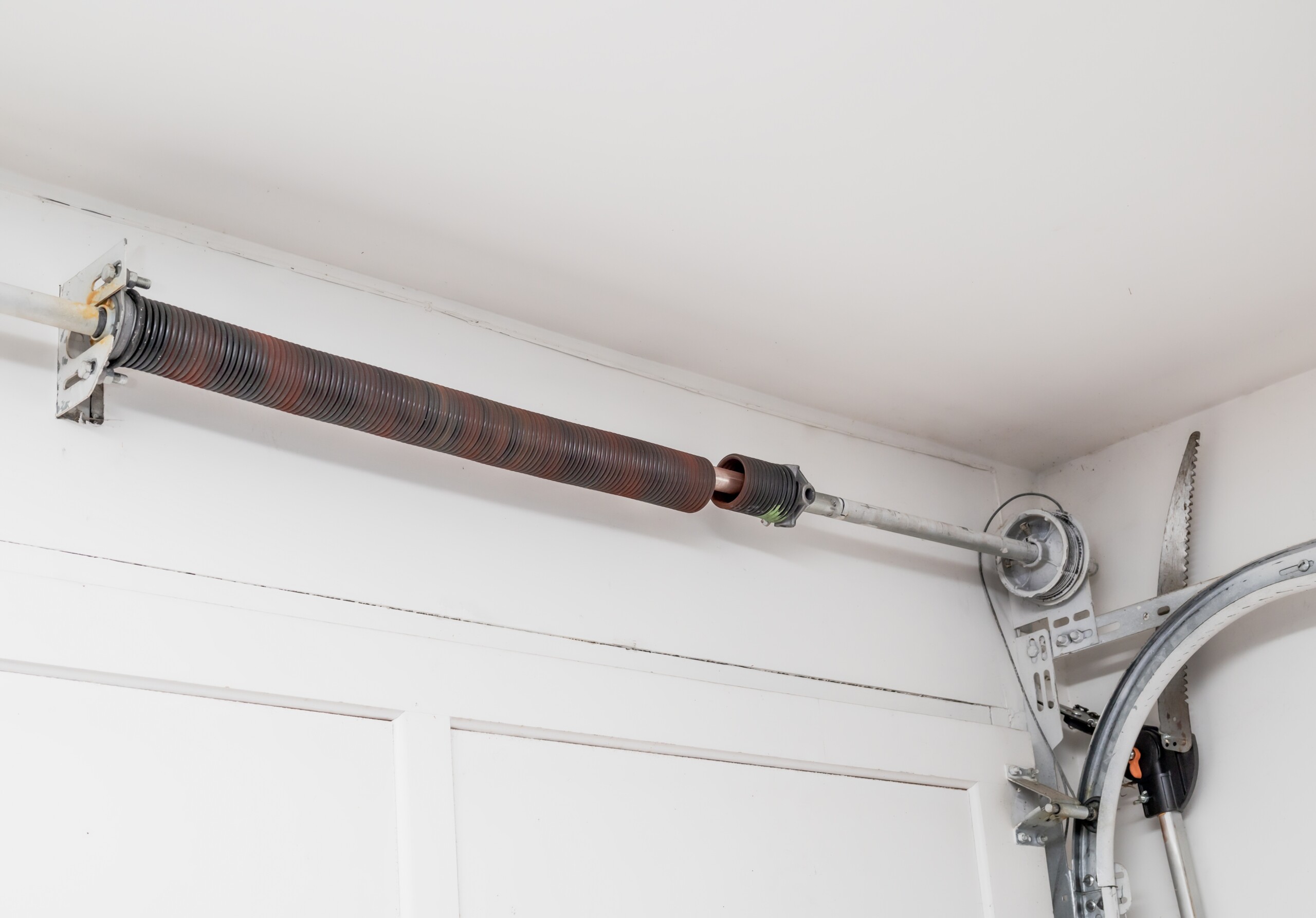
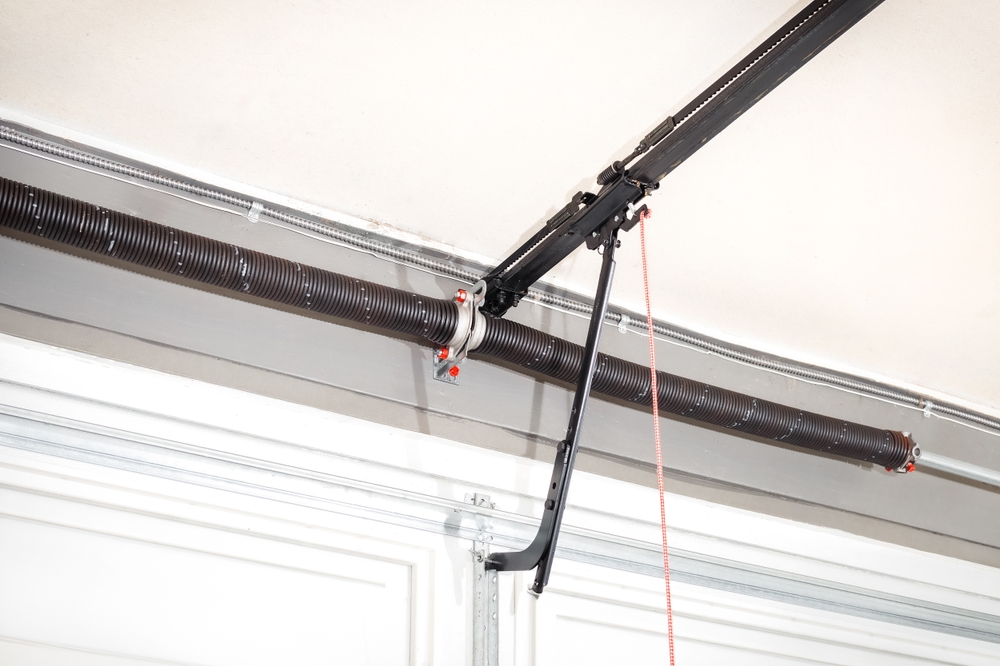
These are mounted horizontally above the closed garage door on a metal shaft.
- Appearance: A tight coil of wire with cones at each end.
- Common Use: Heavier doors, double-car garages, and modern installations.
- Lifespan: Typically 10,000 to 20,000 cycles.
2. Extension Springs
These are located on both sides of the horizontal track, parallel to the ceiling.
- Appearance: Long coils that stretch out when the door closes. They usually have safety cables running through them.
- Common Use: Lighter, single-car garage doors.
- Lifespan: Typically 10,000 cycles.
Pro Tip: If you see a spring above the door, it’s torsion. If you see springs on the side tracks, they are extension. Never mix these types; your door system is designed for one specific mechanism.
Step 2: Measure Your Current Spring (The Critical Data)
You cannot guess the spring size. You must measure it. Warning: Ensure the door is fully closed and the tension is released before attempting any measurement. If you are unsure, hire a professional.
Here are the four key measurements you need:
| Measurement | How to Measure | Why It Matters |
|---|---|---|
| Wire Size | Measure the diameter of the wire itself using calipers. Common sizes: 0.218″, 0.225″, 0.234″. | Determines the strength and torque capacity. |
| Inside Diameter (ID) | Measure the inside width of the coil. Standard sizes are 1.75″, 2.0″, or 2.25″. | Must fit perfectly on the torsion bar or cone. |
| Length | Measure the length of the spring excluding the cones. | Determines the number of turns and total lift capability. |
| Wind Direction | Look at the end of the spring. Does it wind clockwise or counter-clockwise? | Left-wound and right-wound springs are not interchangeable. |
Understanding Wind Direction
This is where most DIYers make mistakes.
- Left-Wound Spring: Usually installed on the left side of the door (when facing the door from outside). The coils tighten to the left.
- Right-Wound Spring: Usually installed on the right side. The coils tighten to the right.
Note: Always replace springs in pairs. Even if only one is broken, the other is near the end of its life cycle.
Step 3: Calculate Based on Door Weight
If your old spring is missing or unreadable, you need to calculate the requirement based on your door’s weight. This is the most accurate method for determining what spring do I need for my garage door.
How to Weigh Your Door:
- Disconnect the garage door opener by pulling the red release cord.
- Lift the door manually until it is halfway open.
- Let go. If it stays put, it is balanced. If it falls, it is too heavy for the current setup.
- To get an exact weight, use a bathroom scale. Place the scale under the bottom edge of the door while lifting it slightly off the ground. Record the weight.
General Weight Guidelines:
- Single Car Steel Door: 130–180 lbs
- Double Car Steel Door: 200–250 lbs
- Wooden Doors: Can exceed 350 lbs
For wooden or custom doors, consulting a garage door spring chart provided by manufacturers is highly recommended to ensure structural integrity.
Torsion vs. Extension: Which Should You Choose?
If you are replacing the entire system, you might wonder which type is better. Here is a quick comparison:
Torsion Springs:
- Pros: Smoother operation, longer lifespan, safer (contained above door), better for heavy doors.
- Cons: More expensive, harder to install DIY.
Extension Springs:
- Pros: Cheaper, easier to find parts.
- Cons: Shorter lifespan, noisier, require safety cables to prevent injury if they snap.
Expert Verdict: For most US homeowners, upgrading to or maintaining a torsion spring system is the best long-term investment due to reliability and safety.
Safety First: When to Call a Professional
While knowing “what spring do I need” is empowering, installing them is dangerous. Garage door springs store enough kinetic energy to cause severe injury or death if handled incorrectly.
Do NOT attempt DIY installation if:
- You do not have winding bars (never use screwdrivers!).
- You are uncomfortable working with high-tension mechanisms.
- Your door is made of solid wood or glass (extra heavy).
If you decide to proceed, always wear safety glasses and gloves. Keep children and pets away from the workspace.
FAQ Section
1. Can I just replace one garage door spring?
Technically, yes, but it is strongly discouraged. Springs wear out at similar rates. If one breaks, the other is likely close to failure. Replacing both ensures balanced lifting and saves you from another repair bill in a few months.
2. How do I know if my garage door spring is broken?
Look for a visible gap in the coil. For torsion springs, you might see a separation in the middle. For extension springs, look for a break in the coil or a detached safety cable. Also, if the door feels extremely heavy to lift manually, the spring has likely lost its tension or snapped.
3. What is the difference between standard and high-cycle springs?
Standard springs are rated for 10,000 cycles (one open/close = one cycle). High-cycle springs are rated for 25,000+ cycles. If you use your garage door frequently (e.g., for a home business or large family), investing in high-cycle springs is worth the extra cost.
4. Does the color of the spring matter?
Yes, sometimes. Manufacturers often paint torsion springs with color codes to indicate wire size or torque. However, colors are not universal across all brands. Always rely on physical measurements (wire size, ID, length) rather than color alone.
5. How long do garage door springs last?
On average, torsion springs last 7–10 years with normal use (approx. 10,000 cycles). Extension springs typically last 5–7 years. Climate plays a role too; humid or salty air can corrode springs faster, reducing their lifespan.
Conclusion
Figuring out what spring do I need for my garage door doesn’t have to be a mystery. By identifying your spring type, taking precise measurements of the wire size, inside diameter, and length, and understanding your door’s weight, you can ensure a smooth and safe repair.
Remember, accuracy is key. A mismatched spring can damage your opener and pose safety risks. Whether you choose to tackle this project yourself or call a certified technician, having this knowledge empowers you to make the right decision.
Did this guide help you identify your spring? Share this article with your neighbors or on social media to help others keep their garages running smoothly! Stay safe and keep those doors rolling.
Leave a Reply