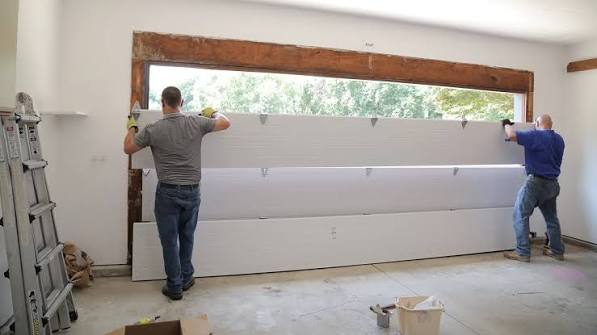
Have you ever stared at that ugly dent or crack in your garage door and wondered if there’s an easier fix than replacing the entire unit? It’s a common frustration for homeowners, and the question “can you buy one panel for a garage door” is something many of us ask before calling a professional. While the idea of swapping out just the broken piece sounds simple and cost-effective, the reality is often more complex than it appears.
In this guide, we’ll break down exactly what’s involved in replacing a single garage door panel, why it might not be as straightforward as you think, and what alternatives could save you time and money. Whether you’re dealing with minor cosmetic damage or a structural issue, understanding your options will help you make the best decision for your home and budget.
Why Replacing a Single Garage Door Panel Is Complicated
At first glance, replacing one damaged section of a garage door seems like a logical solution. After all, why replace the whole door if only one part is broken? However, several factors make this process challenging:
Matching Issues
Garage doors are manufactured in batches, and colors, styles, and materials can change over time. Even if your door is only a few years old, finding an exact match for a single panel can be nearly impossible. Minor differences in shade or texture can make the repair look obvious and detract from your home’s curb appeal.
Structural Integrity Concerns
Garage doors are engineered as complete systems. Each panel works together to distribute weight and tension evenly across the springs, cables, and tracks. Removing and replacing a single panel can disrupt this balance, potentially leading to operational issues or even safety hazards if not done correctly.
Labor Intensity
Replacing a single panel isn’t as simple as unscrewing a few bolts. The entire door must be partially disassembled, which requires specialized tools and expertise. Most DIY enthusiasts find this task overwhelming, and professional technicians often charge significant labor fees due to the complexity involved.
When Can You Actually Replace Just One Panel?
While replacing a single panel is generally discouraged, there are specific scenarios where it might be feasible:
- Newer Doors: If your garage door is less than two years old, manufacturers may still produce the same model and color, making a match more likely.
- Standard Sizes: Common residential door sizes (such as 8×7 or 9×7 feet) have better availability for individual panels compared to custom or oversized doors.
- Minor Cosmetic Damage: If the damage is purely aesthetic and doesn’t affect the door’s operation, some homeowners opt for panel replacement rather than full door replacement.
However, even in these cases, success is not guaranteed. Always consult with a licensed garage door technician before proceeding.
Cost Comparison: Single Panel vs. Full Door Replacement
Understanding the financial implications is crucial when deciding between repairing one panel or replacing the entire door. Here’s a breakdown of typical costs:
| Item | Average Cost | Notes |
|---|---|---|
| Single Panel Replacement | $250–$600 | Includes parts and labor; matching not guaranteed |
| Full Door Replacement | $800–$2,500+ | Depends on material, size, and insulation level |
| Professional Inspection Fee | $50–$100 | Often waived if you proceed with repair/replacement |
As you can see, while a single panel replacement appears cheaper upfront, the lack of guarantee for a perfect match and potential future issues may make a full replacement more cost-effective in the long run. Additionally, new garage doors come with warranties and improved energy efficiency, which can add value to your home.
Step-by-Step: What Happens During a Single Panel Replacement?
If you decide to proceed with replacing one panel, here’s what the process typically involves:
- Safety First: The garage door springs are under extreme tension. A professional will secure the door and release tension safely before beginning any work. Never attempt this step yourself.
- Disassembly: The technician removes the hinges, rollers, and hardware connecting the damaged panel to adjacent sections. This requires careful labeling to ensure proper reassembly.
- Panel Removal: The broken panel is slid out of the track system. This step can be tricky if the door is warped or misaligned.
- Installation: The new panel is inserted and secured with the original hardware. Adjustments are made to ensure smooth operation.
- Testing: The door is tested multiple times to check for balance, alignment, and noise issues. Lubrication and minor tweaks may be applied.
This process usually takes 2–4 hours for a skilled technician. For more details on garage door mechanics, you can refer to Wikipedia’s article on overhead doors.
Better Alternatives to Single Panel Replacement
If replacing one panel proves too difficult or expensive, consider these alternatives:
- Professional Dent Repair: For minor dents, specialized tools can pull out damage without replacing the panel. This is much cheaper and preserves the original finish.
- Painting or Refinishing: If the damage is superficial, sanding and repainting the affected area can restore appearance at a fraction of the cost.
- Full Door Upgrade: Investing in a new, insulated garage door can improve energy efficiency, security, and home value. Many modern doors also offer quieter operation and smart-home compatibility.
FAQ Section
Q1: Can I buy a single garage door panel from Home Depot or Lowe’s?
Most big-box stores do not sell individual garage door panels. They typically offer complete door kits. You may need to contact the original manufacturer or a specialized garage door supplier for single panels.
Q2: How long does it take to replace one garage door panel?
A professional technician can usually complete the job in 2–4 hours, depending on the door’s condition and accessibility.
Q3: Will replacing one panel void my warranty?
It depends on the manufacturer. Some warranties require that repairs be performed by certified technicians using approved parts. Always check your warranty terms before proceeding.
Q4: Is it safe to replace a garage door panel myself?
No. Garage door springs are under high tension and can cause serious injury if handled improperly. Always hire a licensed professional for this type of repair.
Q5: What if I can’t find a matching panel?
If an exact match isn’t available, you may need to repaint the new panel to blend with the existing door or consider replacing the entire door for a uniform look.
Q6: Does insurance cover garage door panel replacement?
Homeowners insurance may cover damage caused by covered perils (such as storms or vandalism), but wear and tear or accidental damage is typically excluded. Check with your provider for specifics.
Conclusion
So, can you buy one panel for a garage door? Technically, yes—but it’s not always practical or cost-effective. While replacing a single panel might seem like a quick fix, challenges with matching, structural integrity, and labor costs often make full door replacement a smarter long-term investment.
Before making a decision, assess the extent of the damage, consult with a professional, and weigh the pros and cons of each option. Remember, your garage door is not just a functional component—it’s a key part of your home’s appearance and security.
If you found this guide helpful, share it with friends or neighbors who might be facing similar garage door dilemmas! Have questions or experiences to share? Leave a comment below—we’d love to hear from you.
Leave a Reply