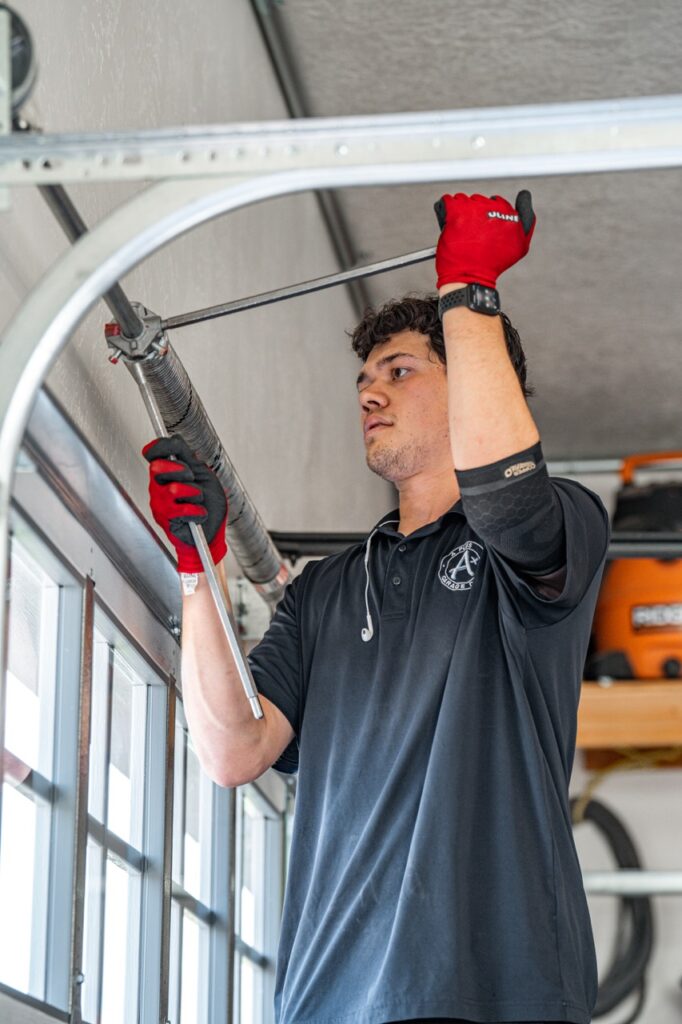
Have you ever stood in your driveway, remote in hand, only to hear a loud bang followed by silence? Your garage door refuses to budge, and panic sets in. You’re likely asking yourself, “Can I open my garage door with a broken spring?” It’s a stressful situation, especially if you need to get to work or retrieve something urgent. In this guide, we’ll walk you through exactly what happens when a spring breaks, why it’s dangerous to force it, and what your safest options are.
Understanding the Role of Garage Door Springs
Before we answer whether you can open the door, it’s crucial to understand why the spring matters. Garage doors are heavy—often weighing between 150 to 400 pounds (68 to 181 kg). Without assistance, lifting one manually is nearly impossible for the average person.
This is where the springs come in. They act as counterbalances, storing mechanical energy to make lifting the door feel effortless. There are two main types:
- Torsion Springs: Mounted above the door opening on a metal shaft. They twist (torque) to lift the door.
- Extension Springs: Located on either side of the door, stretching out as the door closes.
When a spring breaks, that counterbalance is lost. The full weight of the door rests on the opener motor or your hands. This isn’t just an inconvenience; it’s a significant safety hazard.
Why You Should Never Force a Garage Door With a Broken Spring
The short answer to “Can I open my garage door with a broken spring?” is technically yes, but you absolutely should not. Here’s why experts universally advise against it.
1. Extreme Physical Risk
A garage door without a functioning spring is dead weight. Attempting to lift it manually can lead to severe back injuries, crushed fingers, or even worse accidents if the door slips. Torsion springs, in particular, store immense tension. If mishandled during a DIY attempt, they can release energy explosively, causing serious injury or death.
2. Damage to the Garage Door Opener
Your garage door opener is designed to assist the springs, not lift the entire door alone. Forcing the opener to work against a broken spring strains the motor, gears, and drive chain. This can lead to:
- Burnt-out motors
- Stripped gears
- Broken cables or rollers
Repairing an opener is often more expensive than replacing a spring, so forcing it could double your repair bill.
3. Compromised Safety Features
Modern garage doors have auto-reverse mechanisms and safety sensors. A broken spring can misalign the door, causing these features to malfunction. The door might close unevenly or fail to reverse if an object (or pet) is underneath.
Expert Insight: According to the U.S. Consumer Product Safety Commission, garage door-related injuries send thousands of people to emergency rooms annually. Many of these incidents involve improper handling of springs and cables. Always prioritize professional help for high-tension components.
What To Do Immediately After a Spring Breaks
If you hear a loud bang and your door won’t open, follow these steps to ensure safety and minimize damage.
Step 1: Stop Using the Opener
Do not keep pressing the remote or wall button. This will only strain the motor further. Disconnect the opener from power if necessary.
Step 2: Engage the Emergency Release
Most garage door openers have a red cord with a handle hanging from the trolley. Pulling this disengages the opener from the door, allowing you to move it manually. Warning: Only do this if you are physically capable and understand the risks.
Step 3: Assess the Situation
Look at the springs above or beside the door.
- Torsion Spring: Look for a visible gap in the coil.
- Extension Spring: Check if the spring is snapped or hanging loosely.
If you see a broken spring, do not attempt to lift the door fully. If you must access the garage, lift it only a few inches and secure it with locking pliers on the track below the bottom roller. This prevents it from crashing down.
Step 4: Call a Professional
Garage door spring replacement is not a typical DIY project. It requires specialized tools (winding bars, vice grips) and knowledge of tension calculations. A certified technician can replace the spring safely and inspect other components like cables and rollers for wear.
Temporary Workarounds vs. Permanent Solutions
While waiting for a professional, you might consider temporary measures. However, know their limitations.
| Option | Pros | Cons | Safety Level |
|---|---|---|---|
| Manual Lift (Partial) | Quick access for small items | High risk of injury; door may fall | Low |
| Leave Door Open | No immediate effort needed | Security risk; exposure to weather | Medium |
| Professional Repair | Safe, long-term fix | Cost involved; scheduling wait | High |
| DIY Replacement | Saves money | Extremely dangerous; voids warranty | Very Low |
Recommendation: If you must enter the garage, use the manual release to lift the door just enough to squeeze under, then prop it securely. Do not leave it unattended in this position.
How Much Does It Cost to Replace a Garage Door Spring?
Understanding the cost can help you decide whether to repair or replace. Prices vary based on location, door size, and spring type.
- Single Torsion Spring: $150–$350
- Double Torsion Springs: $250–$500
- Extension Springs: $100–$200 per pair
Labor typically accounts for 50–60% of the total cost. While it may seem steep, remember that professionals include safety inspections, proper tensioning, and warranty coverage. Attempting a DIY fix to save money often results in higher costs due to injuries or additional damage.
FAQ Section
Q1: Can I drive my car out if the garage door is stuck closed?
If the door is fully closed and the spring is broken, you cannot open it normally. You may be able to disconnect the opener and lift it slightly to crawl out, but driving out is impossible unless you have a side entrance. Always have a backup exit plan.
Q2: How do I know if my garage door spring is broken?
Common signs include:
- A loud bang or snap noise.
- The door feels extremely heavy when lifted manually.
- The opener struggles or makes grinding noises.
- Visible gaps in torsion springs or snapped extension springs.
Q3: Can I replace just one spring if I have two?
No. If your door has two torsion springs, they work as a set. Replacing only one creates uneven tension, leading to premature failure of the new spring and potential door misalignment. Always replace both springs simultaneously.
Q4: How long do garage door springs last?
Standard springs are rated for 10,000 cycles (one open + one close = one cycle). For an average family, this equals 7–10 years. High-cycle springs can last up to 25,000 cycles. Regular lubrication can extend their lifespan.
Q5: Is it safe to lubricate garage door springs?
Yes, but use the right product. Apply a silicone-based lubricant or white lithium grease to torsion springs twice a year. Avoid WD-40, as it attracts dust and can degrade over time. Never lubricate extension springs while they are under tension.
Q6: What should I do if my garage door falls suddenly?
Stay clear of the door immediately. Do not attempt to catch it. Once it has fallen, disconnect the power to the opener and call a professional. Do not use the door until it has been inspected and repaired.
Conclusion
So, can I open my garage door with a broken spring? While physically possible in some cases, it is fraught with danger and risk of further damage. The smartest, safest choice is to stop using the door, secure it if partially open, and contact a licensed garage door technician.
Your safety is worth far more than the convenience of a quick fix. By understanding the mechanics and respecting the power of these components, you protect yourself, your family, and your home.
If you found this guide helpful, please share it with friends or neighbors who might face the same issue. Stay safe, and keep your garage running smoothly!
Leave a Reply