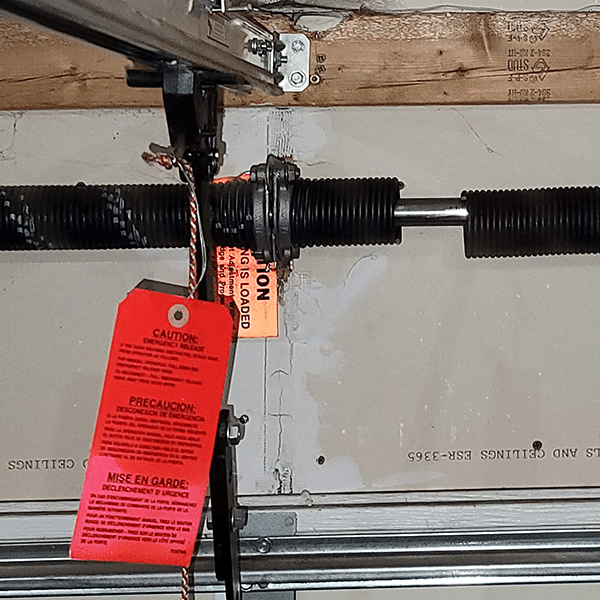
Is your garage door stuck halfway or refusing to open entirely? A broken garage door torsion spring repair in Twin Cities, MN is likely what you need. These heavy-duty springs bear the entire weight of your door, and when they snap, it’s not just an inconvenience—it’s a potential safety hazard that requires immediate professional attention.
Living in Minnesota means dealing with extreme temperature fluctuations, from bitter cold winters to humid summers. These weather conditions put significant stress on garage door components, making torsion spring failures more common in the Twin Cities area than in milder climates. Understanding how to handle this situation safely can save you time, money, and prevent serious injury.
Why Do Torsion Springs Break in Minnesota Homes?
Torsion springs are engineered to last between 10,000 to 20,000 cycles (one cycle equals one opening and closing). However, several factors specific to the Twin Cities region accelerate wear and tear:
Temperature Extremes: Minnesota experiences temperature swings of over 100°F annually. Metal contracts in cold weather and expands in heat, creating constant stress on spring coils. According to industry data, garage doors in northern climates experience 30% more spring failures than those in moderate regions.
Humidity and Moisture: Summer humidity in the Twin Cities can reach 70-80%, promoting rust and corrosion on metal components. Even galvanized springs eventually succumb to moisture damage.
Frequency of Use: With harsh winters, many homeowners use their garages as primary entry points, increasing daily cycles beyond normal usage patterns.
Signs Your Torsion Spring Is Failing
Before a complete breakage occurs, watch for these warning signs:
- Loud banging noise when operating the door
- Visible gaps in the spring coils
- Door appears crooked or uneven when opening
- Increased effort required to lift the door manually
- Cable slack or visible wear on lifting cables
Safety First: Why DIY Torsion Spring Repair Is Dangerous
This cannot be emphasized enough: torsion springs store enormous amounts of kinetic energy. A standard residential torsion spring can exert 200-300 pounds of torque. If improperly handled, a broken spring can release this energy violently, causing severe injury or death.
The International Door Association reports that improper garage door spring repairs account for thousands of emergency room visits annually. Unlike extension springs, torsion springs are mounted above the door and require specialized tools and training to service safely.
What NOT to Do When Your Spring Breaks
- Never attempt to wind or unwind the spring yourself
- Do not operate the door with a broken spring
- Avoid touching cables that may be under tension
- Don’t try to lubricate a visibly damaged spring
Professional Repair Process: What to Expect
When you call a reputable Twin Cities garage door company for broken garage door torsion spring repair, here’s the typical process:
Step 1: Initial Assessment (15-20 minutes)
The technician will inspect both springs (most doors have two), check cable condition, examine rollers and tracks, and verify the door’s balance.
Step 2: Safety Preparation (10 minutes)
Professional technicians use winding bars specifically designed for torsion springs, secure the door in place, and ensure all safety protocols are followed.
Step 3: Spring Replacement (30-45 minutes)
- Old springs are carefully unwound using proper tools
- New springs matching your door’s weight and size are installed
- Springs are wound to the correct tension (typically 7-8 quarter turns per spring)
- Cables are reattached and tested
Step 4: Testing and Adjustment (15 minutes)
The door is operated multiple times to ensure smooth operation, proper balance, and correct spring tension.
Cost Breakdown: Twin Cities Market Rates
Understanding pricing helps you make informed decisions. Here’s what homeowners in Minneapolis and St. Paul typically pay:
| Service Component | Average Cost Range |
|---|---|
| Single Spring Replacement | $150-$250 |
| Dual Spring Replacement | $250-$400 |
| High-Cycle Springs (25,000+ cycles) | $300-$500 |
| Emergency/After-Hours Service | +$75-$150 |
| Full System Inspection | Often included |
Pro Tip: Always replace both springs simultaneously, even if only one is broken. The second spring has endured identical wear and will likely fail soon, saving you another service call fee.
Choosing the Right Twin Cities Repair Company
With dozens of garage door companies serving the Minneapolis-St. Paul metro area, selection matters. Look for these qualifications:
Licensing and Insurance: Verify the company holds proper Minnesota contractor licensing and carries liability insurance. This protects you if accidents occur during repair.
Local Experience: Companies familiar with Twin Cities weather patterns understand which spring types perform best in our climate. Look for businesses with 5+ years serving the area.
Warranty Coverage: Reputable companies offer warranties on both parts (typically 1-3 years) and labor (usually 90 days to 1 year).
Response Time: For emergency situations, choose companies offering same-day service within the Twin Cities metro.
Red Flags to Avoid
- Quotes given over the phone without inspection
- Pressure to upgrade unnecessary components
- No physical business address in the Twin Cities area
- Refusal to provide written estimates
- Lack of online reviews or BBB accreditation
Preventive Maintenance: Extending Spring Life
While springs eventually fail, proper maintenance can maximize their lifespan:
Monthly Visual Inspections: Check for rust, gaps in coils, or cable fraying. Spend 2 minutes examining your springs each month.
Annual Professional Tune-Up: Schedule yearly maintenance including spring inspection, lubrication of moving parts, and balance testing. Many Twin Cities companies offer annual maintenance plans for $100-$150.
Keep Tracks Clean: Debris in tracks forces the door to work harder, stressing springs. Clear tracks seasonally, especially after winter salt accumulation.
Monitor Usage Patterns: If possible, reduce unnecessary door cycles. Each open-close sequence counts toward the spring’s lifecycle.
FAQ: Common Questions About Torsion Spring Repair
How long do garage door torsion springs typically last?
Standard springs last 7-12 years with average use (3-4 cycles daily). High-cycle springs rated for 25,000+ cycles can last 15-20 years. In Minnesota’s harsh climate, expect the lower end of these ranges.
Can I still use my garage door with a broken spring?
No. Operating a door with a broken torsion spring puts excessive strain on the opener motor and can cause additional damage. The door becomes extremely heavy (often 200+ pounds) and dangerous to lift manually.
Should I replace one spring or both?
Always replace both springs simultaneously. They’ve experienced identical wear cycles, and replacing only one creates imbalance while guaranteeing another service call when the second fails.
How quickly can I get spring repair in the Twin Cities?
Most reputable companies offer same-day or next-day service within Minneapolis, St. Paul, and surrounding suburbs. Emergency services may be available evenings and weekends for additional fees.
What’s the difference between torsion and extension springs?
Torsion springs mount horizontally above the door and twist to store energy. Extension springs run vertically along the tracks and stretch. Torsion springs are safer, more durable, and preferred for modern installations.
Will my homeowner’s insurance cover spring replacement?
Typically no. Spring failure is considered normal wear and tear, not sudden accidental damage. However, if a broken spring causes secondary damage (like damaging your car), that secondary damage might be covered.
Conclusion
Dealing with a broken garage door torsion spring repair in Twin Cities, MN doesn’t have to be stressful when you know what to expect. Remember that safety must come first—never attempt DIY repairs on torsion springs due to the serious injury risk involved.
By understanding the signs of spring failure, knowing typical costs ($250-$400 for dual spring replacement), and choosing a qualified local technician with proper licensing and warranty coverage, you’ll get your garage door working safely again. Regular maintenance and annual inspections can extend spring life and prevent unexpected breakdowns during Minnesota’s challenging weather seasons.
If you found this guide helpful, please share it with your Twin Cities neighbors on social media. Someone in your network might be dealing with the same frustrating garage door issue right now!
Leave a Reply