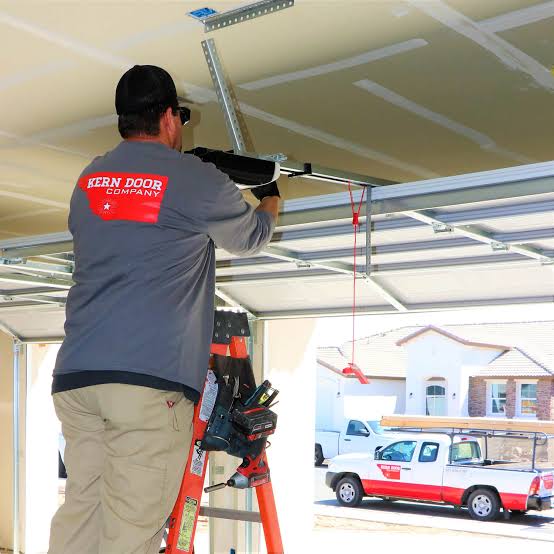
Have you ever winced as your garage door groans, screeches, or bangs its way open every morning? You are not alone. Many homeowners find themselves asking, “Why is my garage door so loud when opening?” It is more than just an annoyance; it can be a sign of underlying mechanical issues that, if left unchecked, could lead to costly repairs or safety hazards.
In this guide, we will break down the most common reasons behind the noise, provide actionable solutions you can try yourself, and help you determine when it is time to call a professional. Let’s get your garage door running smoothly and silently again.
1. Lack of Lubrication: The Most Common Culprit
If your garage door sounds like a rusty hinge from a horror movie, the first thing to check is lubrication. Over time, the friction between moving parts creates wear and tear, resulting in squeaking and grinding noises.
Which Parts Need Lubrication?
Not all parts require the same type of attention. Focus on these key components:
- Rollers: The wheels that move along the track.
- Hinges: The joints connecting the door sections.
- Springs: The torsion or extension springs that lift the door.
- Locks and Latches: Any moving metal-on-metal contact points.
How to Lubricate Properly
Using the wrong lubricant can attract dust and debris, making the problem worse. Here is the right way to do it:
- Choose the Right Product: Use a silicone-based spray or lithium grease. Avoid WD-40 as a long-term lubricant because it is a solvent, not a lubricant, and it evaporates quickly.
- Clean First: Wipe down the rollers and hinges with a clean cloth to remove old grease and dirt.
- Apply Sparingly: Spray a small amount onto each roller bearing and hinge pivot point.
- Operate the Door: Open and close the door 2–3 times to work the lubricant into the joints.
Pro Tip: Lubricate your garage door every six months to prevent noise and extend the lifespan of its components.
2. Loose Hardware: The Rattle Effect
Garage doors undergo significant vibration every time they open and close. Over months and years, this constant movement can cause nuts, bolts, and screws to loosen. This results in a rattling or clanking sound that echoes through your garage.
What to Check
Grab a socket wrench or a screwdriver and inspect the following:
- Track Brackets: Ensure the brackets holding the vertical and horizontal tracks to the wall and ceiling are tight.
- Roller Bolts: Check the bolts securing the rollers to the door sections.
- Hinge Screws: Tighten any loose screws on the hinges connecting the door panels.
Caution: Do not overtighten bolts on the tracks themselves, as this can misalign them. Only tighten the brackets that secure the tracks to the structure.
3. Worn-Out Rollers: Metal vs. Nylon
The type of rollers your garage door uses plays a massive role in how quiet it operates. If you hear a grinding or rumbling noise, your rollers may be worn out or made of inferior material.
Comparison: Steel vs. Nylon Rollers
| Feature | Steel Rollers | Nylon Rollers |
|---|---|---|
| Noise Level | Loud, especially when worn | Quiet, smooth operation |
| Durability | High, but prone to rust | High, resistant to corrosion |
| Cost | Lower | Slightly higher |
| Best For | Heavy-duty industrial use | Residential homes |
If you currently have steel rollers, consider upgrading to nylon-coated steel rollers. They offer the durability of steel with the quietness of nylon. This single upgrade can reduce noise by up to 70%.
4. Misaligned Tracks: The Screeching Sound
If your garage door makes a high-pitched screeching or binding noise, the tracks may be misaligned. When the rollers cannot move smoothly along the track, they scrape against the metal, creating friction and noise.
How to Check Alignment
- Visually inspect the vertical tracks on both sides of the door. They should be perfectly parallel and plumb (vertical).
- Check the horizontal tracks for any dips or bends.
- Look for gaps between the rollers and the track. If there is significant space, the track may be bent or loose.
Note: Aligning garage door tracks can be dangerous due to the high tension of the springs. If you suspect major misalignment, it is best to consult a professional technician. For more information on garage door mechanics, you can refer to Wikipedia’s entry on Garage Doors to understand the basic structural components.
5. The Garage Door Opener: Is It the Source?
Sometimes, the noise is not coming from the door itself but from the opener unit. Older chain-drive openers are notoriously loud. If your opener sounds like a motorcycle starting up, it might be time for an upgrade or adjustment.
Types of Openers and Noise Levels
- Chain-Drive: Uses a metal chain. Loudest option. Affordable but noisy.
- Screw-Drive: Uses a threaded steel rod. Moderate noise. Fewer moving parts but can be noisy if not lubricated.
- Belt-Drive: Uses a rubber belt. Quietest option. Ideal for garages attached to living spaces.
If you have a chain-drive opener, ensure the chain is properly tensioned. A loose chain will slap against the rail, creating a clanging noise. Adjust the tension according to the manufacturer’s manual.
6. Weather Stripping and Seals
While less common, dry or cracked weather stripping can cause a squeaking sound as the door moves against the frame. Inspect the rubber seals along the sides and top of the door. If they are brittle or cracked, replace them. This not only reduces noise but also improves energy efficiency by keeping drafts out.
FAQ Section
Q1: Why does my garage door make a loud bang when it closes?
A loud bang usually indicates that the door is closing too quickly or the limit settings on the opener are incorrect. Adjust the “close limit” and “force” settings on your opener unit. If the problem persists, the springs may be unbalanced, requiring professional adjustment.
Q2: Can I use regular household oil to lubricate my garage door?
No. Household oils like cooking oil or standard motor oil can attract dust, gum up the mechanisms, and eventually degrade plastic components. Always use a silicone-based spray or lithium grease designed for garage doors.
Q3: How often should I maintain my garage door to keep it quiet?
You should perform a basic inspection and lubrication every six months. This includes tightening hardware, lubricating moving parts, and checking the balance of the door. Annual professional maintenance is also recommended for safety checks.
Q4: Is it safe to adjust garage door springs myself?
No. Garage door springs are under extreme tension and can cause serious injury or death if handled incorrectly. Always hire a certified technician for spring repairs or replacements.
Q5: Will replacing my garage door opener make it quieter?
Yes, if you switch from a chain-drive to a belt-drive opener, you will notice a significant reduction in noise. Belt-drive openers are designed for quiet operation and are ideal for homes where the garage is located near bedrooms or living areas.
Q6: My door is loud only in cold weather. Why?
Cold temperatures cause metal to contract and lubricants to thicken. This increases friction and noise. Ensure you are using a lubricant rated for cold weather, and consider adding insulation to your garage to maintain a more stable temperature.
Conclusion
Dealing with a noisy garage door is frustrating, but understanding why is my garage door so loud when opening is the first step toward a solution. Whether it is a simple fix like lubricating the hinges or a more involved upgrade like switching to nylon rollers, most noise issues can be resolved with regular maintenance.
Remember, a quiet garage door is not just about comfort; it is a sign of a well-maintained and safe system. By following the steps outlined above, you can extend the life of your door and enjoy peace and quiet every time you come home.
Did you find this guide helpful? Share it with your friends and neighbors on social media who might be struggling with their own noisy garage doors. Let’s help everyone achieve a smoother, quieter home!
Leave a Reply