Introduction
There is nothing quite as frustrating as rushing out the door in the morning, hitting the remote, and watching your garage door lift just a few inches before stopping dead in its tracks. It disrupts your routine, traps your car inside, and leaves you wondering if you’re facing a costly repair bill. If you are asking yourself, “Why is my garage door only opening a little bit?” you are not alone. This is one of the most common issues homeowners face, and the good news is that many causes are simple to diagnose and fix without calling a professional immediately.
In this guide, we will walk you through the most likely culprits behind this annoying malfunction. From simple sensor misalignments to tension spring issues, we will help you identify the problem safely and efficiently. By the end of this article, you will have a clear action plan to get your door moving smoothly again.
1. Are the Safety Sensors Misaligned or Blocked?
The most frequent reason a garage door opens only partially—or reverses immediately after starting—is an issue with the photo-eye safety sensors. Located near the bottom of the door tracks on both sides, these sensors ensure nothing is in the door’s path.
How It Works
Modern garage doors are equipped with infrared beams. If the beam is interrupted, the door assumes there is an obstacle (like a child, pet, or box) and stops or reverses to prevent injury.
Common Issues
- Misalignment: Even a slight bump can knock the sensors out of line. If the LED lights on the sensors are blinking instead of solid, they are not “seeing” each other.
- Dirty Lenses: Dust, spiderwebs, or mud can block the infrared signal.
- Sunlight Interference: In rare cases, direct sunlight hitting the sensor at a specific angle can blind it.
The Fix
- Check the LED lights on both sensors. They should be steady (usually green or amber).
- Wipe the lenses with a soft, dry cloth.
- Loosen the wing nut on the bracket, align the sensors so they face each other directly, and tighten the nut.
- Test the door. If it closes fully, you’ve solved the problem.
2. Have You Checked the Travel Limit Settings?
If your door opens smoothly but stops at a specific height every time—say, halfway up—the issue is likely with the travel limit settings. These settings tell the motor how far to move the door up and down.
Why Do Limits Change?
Over time, vibrations from the motor and the weight of the door can cause the limit screws or digital settings to drift. Additionally, if you recently lubricated the tracks or adjusted the springs, the door’s balance may have changed, requiring a reset of the limits.
Step-by-Step Adjustment
Most modern openers have two adjustment screws or buttons labeled “Up” and “Down” (or “Open” and “Close”).
- Locate the adjustment panel on the side of your motor unit.
- Find the “Up” or “Open” limit screw.
- Turn the screw slightly (usually clockwise increases the travel distance). Note: Consult your manual, as directions vary by brand.
- Test the door. Repeat small adjustments until the door opens fully and latches correctly.
Pro Tip: Make small adjustments. Turning the screw too much can cause the door to strain against the top stop, damaging the motor.
3. Is There Physical Obstruction in the Tracks?
Before diving into technical adjustments, always perform a visual inspection. A garage door is a heavy mechanical system, and even small obstacles can halt its progress.
What to Look For
- Debris: Leaves, twigs, or rocks caught in the track rollers.
- Bent Tracks: If the metal tracks are dented or bent, the rollers cannot pass through smoothly.
- Loose Hardware: Check for loose bolts or brackets that might be catching on the door sections.
The Fix
- Disconnect the opener by pulling the red emergency release cord.
- Manually lift the door. It should move smoothly with minimal resistance.
- If it sticks, inspect the area where it binds. Remove any debris.
- If the track is bent, do not attempt to hammer it back yourself unless you have experience. Call a professional, as a misaligned track can cause the door to derail completely.
4. Could the Springs Be Losing Tension?
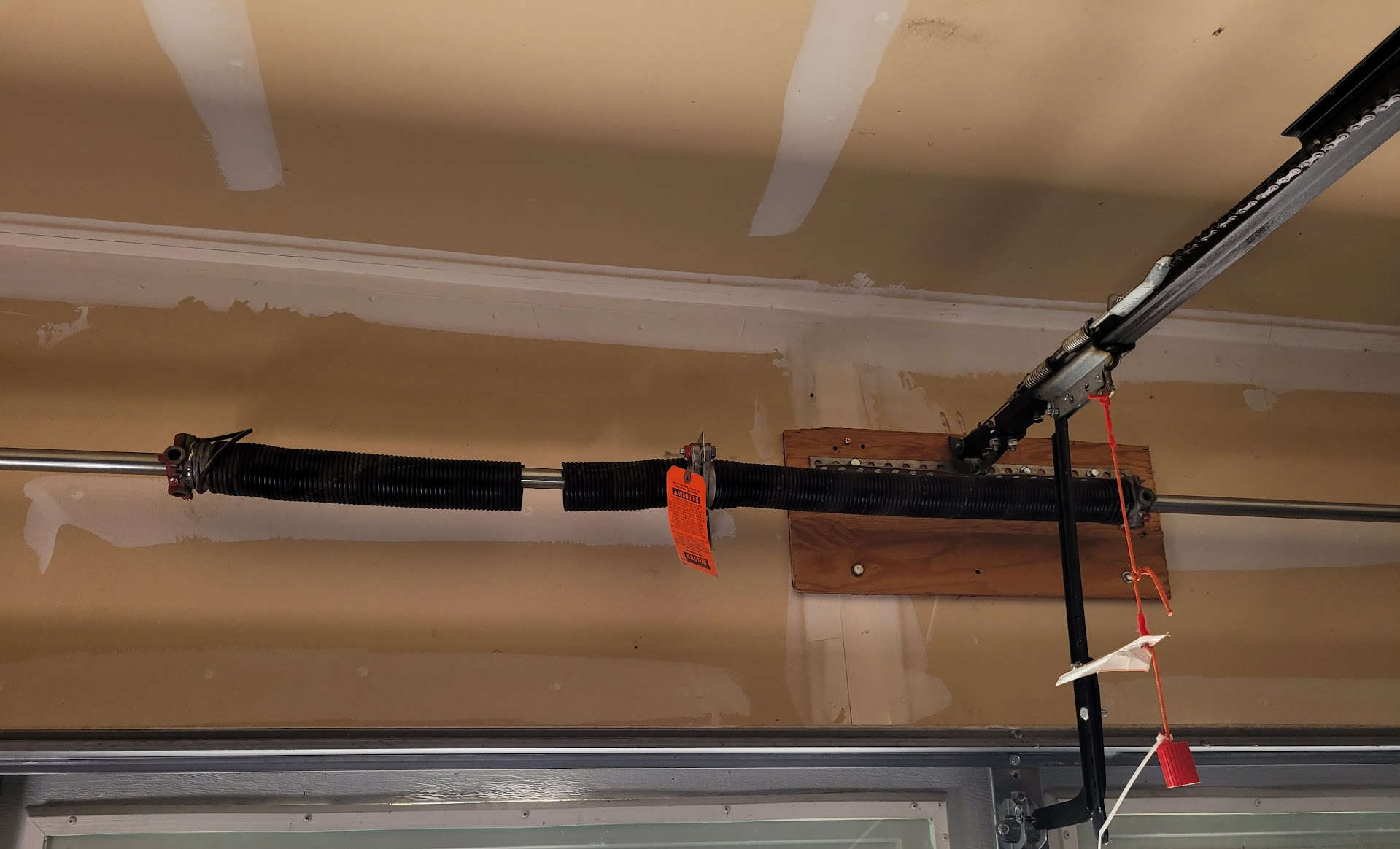
Garage door springs bear the weight of the door. If they are worn out or broken, the motor struggles to lift the door, often causing it to stop prematurely.
Signs of Spring Failure
- The door feels extremely heavy when lifted manually.
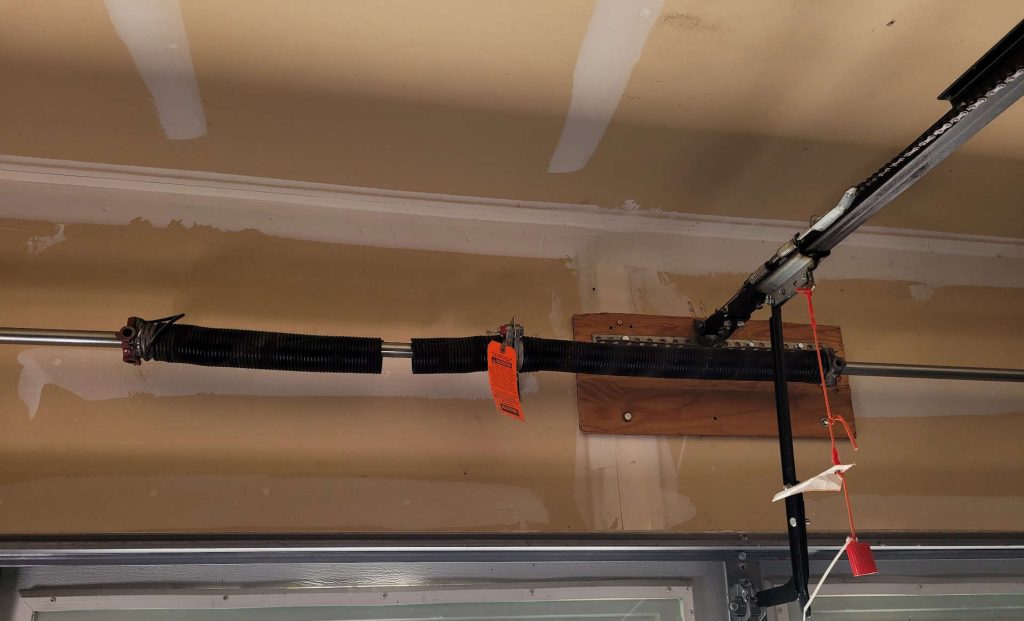
- You see a gap in the torsion spring (the large spring above the door).
- The door slams shut when closing.
Important Safety Warning
Never attempt to repair or replace garage door springs yourself. These springs are under extreme tension and can cause severe injury or death if handled incorrectly. According to the U.S. Consumer Product Safety Commission, garage door springs are among the most dangerous components in home maintenance. If you suspect spring issues, contact a licensed technician immediately.
5. Is the Motor Unit Overheating or Failing?
If your door opens a little bit, stops, and then hums without moving, the motor might be overheating or failing.
Causes of Motor Strain
- Lack of Lubrication: Friction from dry rollers and hinges forces the motor to work harder.
- Old Age: Most garage door openers last 10–15 years. Older motors lose torque.
- Power Issues: Voltage fluctuations can affect motor performance.
The Fix
- Lubricate all moving parts (rollers, hinges, springs) with a silicone-based lubricant. Avoid WD-40, as it attracts dust.
- Let the motor cool down for 15–20 minutes if it feels hot to the touch.
- If the problem persists after lubrication, the motor capacitor may be failing, requiring professional replacement.
Comparison: DIY Fixes vs. Professional Help
| Issue | Difficulty Level | Recommended Action |
|---|---|---|
| Sensor Misalignment | Easy | DIY |
| Travel Limit Adjustment | Easy/Medium | DIY |
| Track Debris | Easy | DIY |
| Lack of Lubrication | Easy | DIY |
| Bent Tracks | Hard | Professional |
| Broken Springs | Dangerous | Professional Only |
| Motor Failure | Medium/Hard | Professional |
FAQ Section
Q1: Why does my garage door open a few inches and then reverse?
This is almost always a safety sensor issue. The door thinks it hit an obstacle. Check if the sensor lights are solid. If they are blinking, realign them. Also, check for dirt on the lenses.
Q2: Can weather affect how my garage door opens?
Yes. Extreme cold can cause metal tracks to contract and lubricants to thicken, increasing friction. Heat can expand metal parts. In winter, use a cold-weather lubricant to ensure smooth operation.
Q3: How often should I maintain my garage door?
Experts recommend a bi-annual maintenance check. Lubricate moving parts every six months and test the safety reversal feature monthly by placing a 2×4 piece of wood on the floor in the door’s path. The door should reverse upon contact.
Q4: My garage door opens fully but won’t close. What’s wrong?
This is typically the opposite of the “only opening a little bit” issue but shares similar causes. Check the safety sensors first. If they are aligned, check the “down” travel limit setting. It may be set too high, preventing the door from reaching the floor.
Q5: Is it safe to use my garage door if it only opens partially?
No. Using a malfunctioning door can lead to further damage to the motor, tracks, or springs. It also poses a security risk if the door cannot close fully. Address the issue immediately before regular use.
Conclusion
Dealing with a garage door that only opens a little bit is stressful, but it is rarely a catastrophic failure. In most cases, the culprit is a simple misalignment of safety sensors, a need for travel limit adjustments, or a lack of lubrication. By following the steps outlined above, you can often resolve the issue quickly and save money on service calls.
However, always prioritize safety. If you suspect spring damage or significant track misalignment, do not hesitate to call a professional. Your safety is worth more than a DIY fix.
Leave a Reply