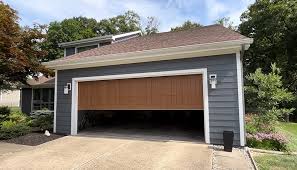
Have you ever watched your garage door descend smoothly, only to hit the floor and immediately shoot back up? It is a frustrating, confusing, and potentially dangerous glitch that leaves many homeowners scratching their heads. If you are asking, “Why is my garage door closing and then opening again,” you are not alone. This common issue usually stems from safety sensors, force settings, or track obstructions, but pinpointing the exact cause requires a systematic approach.
In this guide, we will walk you through the most likely culprits and provide clear, step-by-step solutions to get your door working safely and efficiently again.
1. Misaligned or Dirty Safety Sensors
The most frequent reason for a garage door reversing immediately after touching the ground is a problem with the photo-eye sensors. These small devices, located near the bottom of the door tracks on both sides, create an invisible beam. If this beam is interrupted, the door assumes an object (or person) is in the way and reverses to prevent injury.
How to Check and Fix Sensor Issues
- Check the Indicator Lights: Most sensors have LED lights. Typically, one sends the beam (often amber or yellow) and the other receives it (often green). If the receiving light is blinking or off, the beam is broken.
- Clean the Lenses: Dust, spiderwebs, or dirt can block the infrared signal. Use a soft, dry cloth to gently wipe both sensor lenses.
- Realign the Brackets: Even a slight bump from a car or lawn mower can knock the sensors out of alignment. Loosen the wing nuts, adjust the brackets until both lights are solid, and tighten them back. Ensure they are facing each other directly.
Pro Tip: If sunlight hits the sensor directly at certain times of the day, it can interfere with the beam. Consider installing a shade or adjusting the angle slightly if this is a recurring issue during specific hours.
2. Incorrect Down Force Settings
Modern garage door openers have adjustable force settings that determine how much power the motor uses to close the door. If the down force is set too low, the door may interpret normal resistance from the weather stripping or floor irregularities as an obstruction, triggering the safety reverse mechanism.
Adjusting the Force Limits
Most openers have two adjustment screws or dials labeled “Open” and “Close” (or “Up” and “Down”). Here is how to adjust them safely:
- Locate the adjustment panel on the motor unit (usually hanging from the ceiling).
- Find the “Down Force” or “Close Force” screw.
- Turn the screw clockwise in small increments (e.g., quarter-turns) to increase the force.
- Test the door after each adjustment.
Caution: Do not increase the force excessively. The door should still reverse if it encounters a genuine obstruction, such as a 2×4 piece of wood placed on the floor. According to federal safety standards, garage doors must reverse upon contact with an object to prevent entrapment hazards. You can read more about these safety regulations on Wikipedia’s page on Garage Door Openers.
3. Obstructed or Damaged Tracks
If the rollers cannot move smoothly along the tracks, the door may bind or jerk, causing the opener to detect excessive resistance and reverse. This is especially common if the door starts to close but reverses before hitting the ground.
Inspection Checklist
- Look for Debris: Check the tracks for leaves, twigs, rocks, or hardened grease. Remove any obstacles with a brush or vacuum.
- Check for Dents: Even a small dent in the metal track can derail a roller. Inspect the entire length of both vertical and horizontal tracks.
- Lubricate Moving Parts: Use a silicone-based lubricant or white lithium grease on the rollers, hinges, and tracks. Avoid WD-40, as it attracts dust and can gum up the mechanism over time.
| Component | Recommended Lubricant | Frequency |
|---|---|---|
| Rollers | Silicone Spray | Every 6 Months |
| Hinges | White Lithium Grease | Every 6 Months |
| Tracks | Silicone Spray (Light Coat) | Every 6 Months |
| Springs | Do Not Lubricate | N/A |
4. Worn-Out or Broken Springs
Garage door springs counterbalance the weight of the door, making it easy for the opener to lift and lower it. If a spring is broken or losing tension, the door becomes too heavy for the motor. The opener struggles to push the door down, detects the strain, and reverses to protect itself from burning out.
Signs of Spring Failure
- Visible Gap: Look at the torsion spring above the door. If there is a visible gap in the coils, it is broken.
- Loud Bang: A broken spring often makes a loud gunshot-like noise.
- Heavy Manual Operation: Disconnect the opener using the emergency release cord. Try lifting the door manually. If it feels extremely heavy or doesn’t stay open when lifted halfway, the springs are likely faulty.
Warning: Replacing garage door springs is dangerous due to the high tension involved. It is strongly recommended to hire a professional technician for spring repairs. Attempting DIY spring replacement can result in severe injury.
5. Faulty Logic Board or Remote Interference
Sometimes, the issue isn’t mechanical but electronic. The logic board inside the opener controls the door’s movements. If it is malfunctioning, it may send incorrect signals. Additionally, radio frequency interference from nearby devices can cause erratic behavior.
Troubleshooting Electronic Issues
- Reset the Opener: Unplug the garage door opener for 30 seconds, then plug it back in. This can clear temporary glitches in the logic board.
- Check Remote Batteries: Weak batteries in your remote or wall console can send inconsistent signals. Replace them with fresh alkaline batteries.
- Inspect the Wall Button: Ensure the wall button isn’t stuck or short-circuiting. If the button is wet or damaged, it may continuously send a “reverse” signal.
FAQ Section
Q: Why does my garage door reverse only when it’s hot outside?
A: Heat can cause metal tracks to expand slightly, creating more friction. Additionally, direct sunlight on the safety sensors can interfere with the infrared beam. Try shading the sensors or lubricating the tracks to reduce friction.
Q: Can I bypass the safety sensors to stop the door from reversing?
A: No. Bypassing safety sensors is extremely dangerous and illegal in many jurisdictions. The sensors are designed to prevent serious injury or death, particularly to children and pets. Always fix the underlying issue rather than disabling safety features.
Q: My garage door closes halfway and then opens. What’s wrong?
A: This usually indicates a problem with the travel limits or force settings. The door may think it has hit an obstruction because the force setting is too low, or the limit switch is misconfigured. Adjust the down force slightly or recalibrate the travel limits according to your opener’s manual.
Q: How often should I maintain my garage door to prevent this issue?
A: Perform a basic visual inspection and lubrication every six months. Test the safety reversal feature monthly by placing a roll of paper towels under the door; it should reverse immediately upon contact.
Q: Is it expensive to fix a garage door that keeps reversing?
A: Many causes, such as sensor realignment or cleaning tracks, cost nothing if you do them yourself. Professional service for spring replacement or logic board repair typically ranges from $150 to $350, depending on your location and the parts needed.
Conclusion
Dealing with a garage door that closes and then opens again is more than just an inconvenience—it’s a safety concern that needs prompt attention. By systematically checking your safety sensors, adjusting the down force, clearing track obstructions, and inspecting your springs, you can often resolve the issue without calling a technician.
Remember, regular maintenance is key to preventing these problems. A well-lubricated, aligned, and balanced door will last longer and operate more safely. If you’ve tried these steps and the problem persists, don’t hesitate to contact a certified garage door professional.
Found this guide helpful? Share it with your neighbors or on social media to help others solve their garage door mysteries! Let’s keep our homes safe and our doors moving smoothly.
Leave a Reply