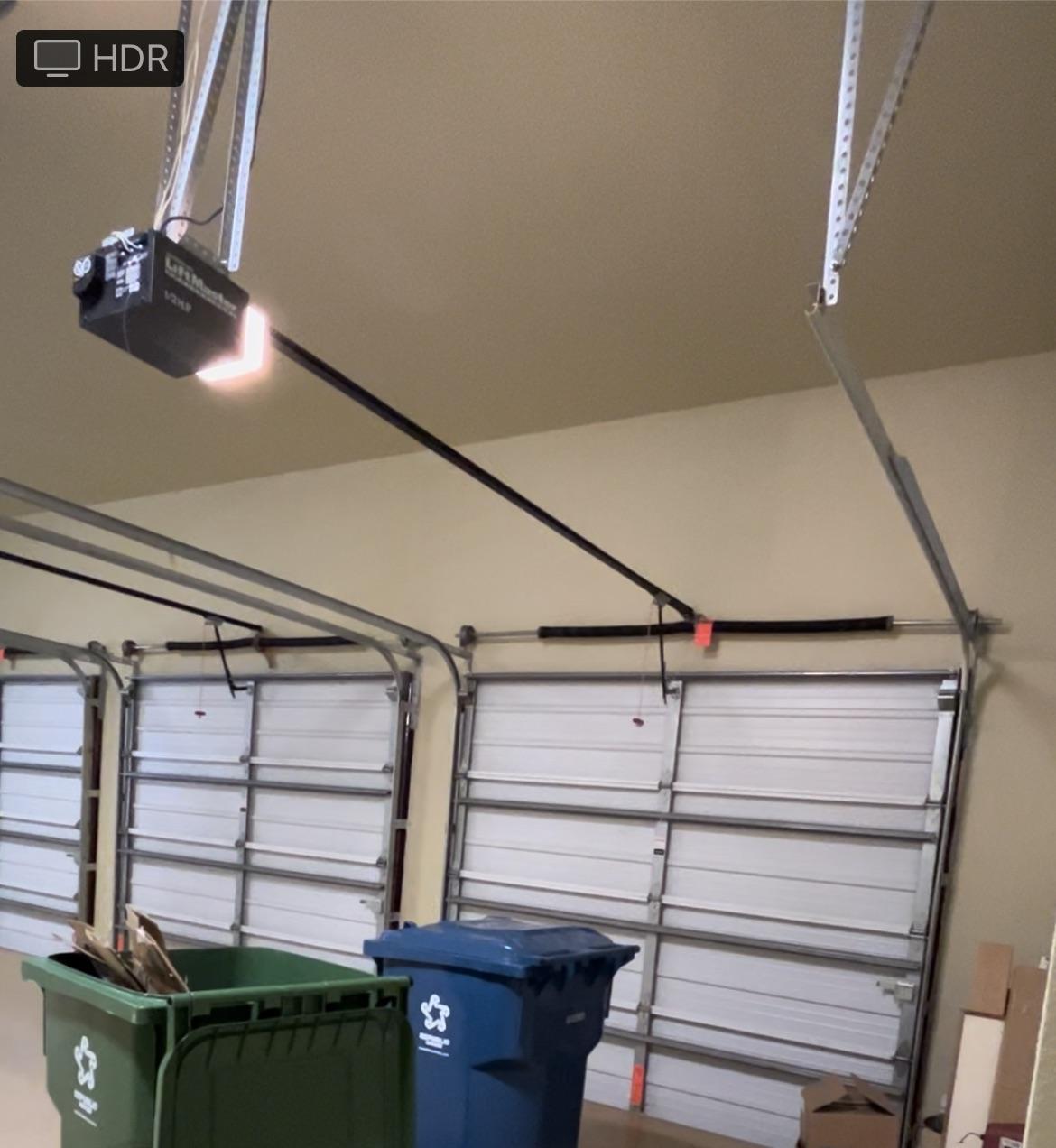
Introduction
There is nothing quite as frustrating as pressing the remote button, hearing your garage door start to move, and then being greeted by an annoying click-click-click sound while the door refuses to budge. It disrupts your routine and leaves you wondering if you’re facing a costly repair bill. If you are asking, “Why is my garage door clicking and not closing,” you are not alone; this is one of the most common issues homeowners face with their automatic openers.
The good news is that in many cases, this issue is not a sign of a broken motor, but rather a safety feature doing its job or a minor mechanical obstruction. In this guide, we will walk you through the most likely causes, from misaligned sensors to stripped gears, and provide clear, step-by-step solutions to get your door moving smoothly again.
The #1 Culprit: Misaligned Safety Sensors
Before we dive into complex mechanical repairs, we must look at the most frequent cause of a clicking garage door: the safety eyes. Modern garage door openers are equipped with photo-eye sensors located near the floor on both sides of the door track. Their job is to detect obstacles and prevent the door from crushing cars, pets, or people.
How to Identify Sensor Issues
If your garage door starts to close but immediately reverses or clicks and stops, check the LED lights on the sensors.
- Solid Green Light: Usually indicates the sending unit is working.
- Solid Amber/Red Light: Indicates the receiving unit is aligned and seeing the beam.
- Blinking Light: This is the red flag. A blinking light means the beam is broken or misaligned.
Step-by-Step Fix for Misaligned Sensors
- Check for Obstructions: Ensure no boxes, bikes, or cobwebs are blocking the lens. Wipe the lenses gently with a soft, dry cloth.
- Inspect the Brackets: Sometimes, a slight bump from a car or a lawn mower can knock the sensor bracket out of place. Look to see if one sensor is pointing slightly higher or lower than the other.
- Realign the Units: Loosen the wing nut or screw on the bracket. Adjust the sensor until the blinking light turns solid. Tighten the bracket carefully without shifting the angle.
- Test the Door: Press the wall button to close the door. If it closes smoothly, the issue is resolved.
According to industry standards, these sensors operate on a low-voltage infrared beam. If realignment doesn’t work, the wiring may be damaged. Check the wires running from the sensors to the motor head for any cuts or chew marks from pests.
The “Stripped Gear” Problem: Internal Mechanical Failure
If your sensors are aligned and the lights are solid, but you still hear a clicking noise coming from the motor unit itself, the issue is likely internal. This is particularly common in chain-drive and belt-drive openers that are more than 7–10 years old.
Understanding the Drive Gear
Inside the motor housing, there is a plastic drive gear (often made of nylon) that connects the motor to the chain or belt. Over time, the teeth on this plastic gear can wear down or strip completely. When this happens, the motor spins, but it cannot grip the gear to pull the chain. The “clicking” sound you hear is the motor shaft spinning against the stripped teeth of the gear.
Diagnosis and Solution
To confirm this, you will need to remove the cover of the garage door opener motor (ensure the unit is unplugged first).
- Visual Inspection: Look at the main drive gear. If the teeth look rounded, missing, or have white plastic shavings around them, the gear is stripped.
- The Fix: You can purchase a garage door opener repair kit specific to your brand (e.g., LiftMaster, Chamberlain, Genie). These kits typically include the main drive gear, sprocket, and thrust washers.
- Replacement Process:
- Unplug the opener.
- Remove the motor cover screws.
- Disconnect the chain/belt from the trolley.
- Remove the old gear assembly and replace it with the new kit components.
- Reassemble and lubricate with a silicone-based lubricant (never use WD-40 as it attracts dust).
For a deeper understanding of the mechanical components involved in automatic doors, you can refer to the general principles of garage door openers on Wikipedia.
Limit Switches: The Door Doesn’t Know Where to Stop
Another common reason for a clicking sound is faulty limit switches. These switches tell the motor when the door has fully opened or fully closed. If the “close” limit switch is set incorrectly or is malfunctioning, the motor may continue to try to push the door down after it has already hit the ground. This creates a grinding or clicking noise as the motor strains against the physical stop.
How to Adjust Limit Switches
Most modern openers have adjustment screws or dials on the side of the motor unit, often labeled “Up/Down” or “Open/Close.”
- Locate the Screws: Find the limit adjustment screws on the motor head.
- Small Adjustments: Turn the “close” limit screw in small increments (usually 1/8th of a turn at a time).
- Test Frequently: After each adjustment, test the door. The goal is for the door to touch the ground firmly and then stop immediately without reversing or continuing to push.
- Force Settings: If adjusting the limits doesn’t help, check the force settings. If the force is set too low, the door might interpret the resistance of the weather stripping as an obstacle and reverse (click) instead of closing. Increase the force slightly, but be cautious—too much force is a safety hazard.
Loose Hardware and Track Obstructions
Sometimes, the clicking isn’t coming from the motor at all, but from the door structure itself. A loose bolt, nut, or roller can create a rhythmic clicking sound as the door moves along the track.
Checklist for Hardware Inspection
- Rollers: Inspect the rollers on the side of the door. If they are cracked or chipped, they will click every time they hit a section joint or bracket. Replace nylon rollers with steel-backed nylon rollers for quieter operation.
- Track Joints: Check where the vertical track meets the horizontal track. If the bolts are loose, the track may shift slightly, causing the rollers to jump or click. Tighten all hardware with a socket wrench.
- Debris in the Track: Look inside the metal tracks. Small stones, hardened grease clumps, or even dried leaves can cause the rollers to click as they pass over them. Clean the tracks with a damp rag and apply a silicone-based lubricant.
Comparison: When to DIY vs. Call a Pro
Deciding whether to fix the issue yourself or call a professional can save you time and money. Use this table to guide your decision.
| Issue | Difficulty Level | Recommended Action | Estimated Cost |
|---|---|---|---|
| Misaligned Sensors | Easy | DIY | $0 |
| Loose Hardware | Easy | DIY | $0–$20 (Lubricant) |
| Limit Switch Adjustment | Medium | DIY | $0 |
| Stripped Drive Gear | Hard | DIY (if handy) or Pro | $30–$50 (Kit) or $150+ (Labor) |
| Broken Springs | Dangerous | Call a Pro | $200–$400 |
| Motor Burnout | Hard | Call a Pro | $300–$600 (New Unit) |
Warning: Never attempt to repair or adjust torsion springs (the large springs above the door) yourself. They are under extreme tension and can cause severe injury or death if handled incorrectly. Always hire a certified technician for spring-related issues.
FAQ Section
1. Why does my garage door click three times and not close?
Three clicks often indicate a logic board error or a specific diagnostic code from the manufacturer. For many brands like LiftMaster or Chamberlain, three flashes or clicks can indicate a problem with the safety eyes (beam blocked) or the RPM sensor. Check your owner’s manual for the specific error code chart for your model.
2. Can weather affect my garage door’s ability to close?
Yes. Extreme cold can cause metal tracks to contract and lubricants to thicken, increasing friction. This added resistance can trigger the safety reversal mechanism, causing the door to click and reverse. In hot weather, plastic gears may expand slightly. Ensuring your door is properly lubricated with temperature-resistant silicone spray can mitigate these issues.
3. Is it safe to bypass the sensors to close the door?
You can temporarily bypass the sensors by holding down the wall button (not the remote) until the door closes. This overrides the safety features. However, this is not recommended as a permanent solution. It removes the critical safety protection for children and pets. Only use this method in emergencies while you wait for repairs.
4. Why is my garage door clicking but the light comes on?
If the light on the motor unit turns on but the door only clicks, it confirms that the unit is receiving power. The issue is mechanical (stripped gear) or operational (sensor blockage), not electrical supply. This distinguishes the problem from a tripped circuit breaker or a dead remote battery.
5. How often should I maintain my garage door to prevent clicking?
Experts recommend a bi-annual maintenance check. Every six months, inspect the rollers, tighten hardware, clean the sensors, and lubricate the moving parts (chains, screws, and hinges). Regular maintenance can extend the life of your opener by 5–10 years.
Conclusion
Hearing your garage door click and refuse to close is a stressful experience, but it is rarely a catastrophe. By systematically checking the safety sensors, inspecting for stripped gears, and ensuring your limit switches are calibrated, you can resolve the majority of these issues without professional help. Remember, the question “Why is my garage door clicking and not closing” usually points to a safety interruption or a worn-out plastic component, both of which are manageable with the right approach.
Regular maintenance is key to preventing these issues in the future. Keep your tracks clean, your sensors aligned, and your gears lubricated. If you found this guide helpful, please share it with your neighbors or on social media to help others troubleshoot their garage door woes. Stay safe, and keep your home secure!
Leave a Reply