Introduction
There is nothing quite as frustrating as pressing the remote button, watching your garage door descend, and then seeing it reverse just inches from the ground. You are left standing in the driveway, confused and potentially unsafe, wondering why is garage door not closing all the way. This issue is more common than you might think, affecting thousands of homeowners across the US every year due to minor misalignments or sensor obstructions.
In this guide, we will walk you through the most likely culprits behind this annoying problem. We will provide clear, step-by-step solutions that you can often perform yourself, saving you the cost of a professional service call. Let’s get your garage door working smoothly again.
1. Check the Safety Sensors First
The most frequent reason a garage door refuses to close completely is an issue with the safety reversal sensors. Modern garage doors are equipped with photo-eye sensors located near the floor on both sides of the door frame. These devices emit an invisible beam; if the beam is broken or interrupted, the door assumes an obstacle is present and reverses direction to prevent injury.
How to Diagnose Sensor Issues:
- Look for LED Lights: Most sensors have small LED lights. Typically, one sends the beam (usually green) and the other receives it (usually amber or red). If the receiving light is blinking or off, the alignment is incorrect.
- Check for Obstructions: Even a small spiderweb, leaf, or layer of dust can block the infrared beam. Wipe the lenses gently with a soft, dry cloth.
- Verify Alignment: The sensors must face each other directly. If one has been bumped by a car or a lawnmower, it may be pointing slightly away from its partner. Loosen the wing nut, adjust the bracket until the lights are solid, and tighten it back.
According to the Consumer Product Safety Commission, these sensors are mandatory for all garage door openers manufactured after 1993 to prevent entrapment accidents. Ensuring they function correctly is not just about convenience; it is a critical safety feature.
2. Inspect the Travel Limit Settings
If your sensors are aligned and clean, but the door still stops short of the floor, the issue likely lies with the travel limit settings. The “down limit” tells the motor exactly how far the door should travel before stopping. Over time, vibrations from daily use can cause these settings to drift.
Adjusting the Down Limit:
- Locate the adjustment screws on your garage door opener motor unit. They are usually labeled “Up” and “Down” or have arrows indicating direction.
- Use a flathead screwdriver to turn the “Down” adjustment screw.
- Turn it in small increments (usually a quarter-turn at a time).
- Test the door after each adjustment.
Caution: Do not force the door into the ground. The goal is for the rubber weatherstripping at the bottom of the door to compress slightly against the concrete, creating a seal. If you adjust it too far down, you risk damaging the door panels or the opener motor.
3. Examine the Tracks and Rollers
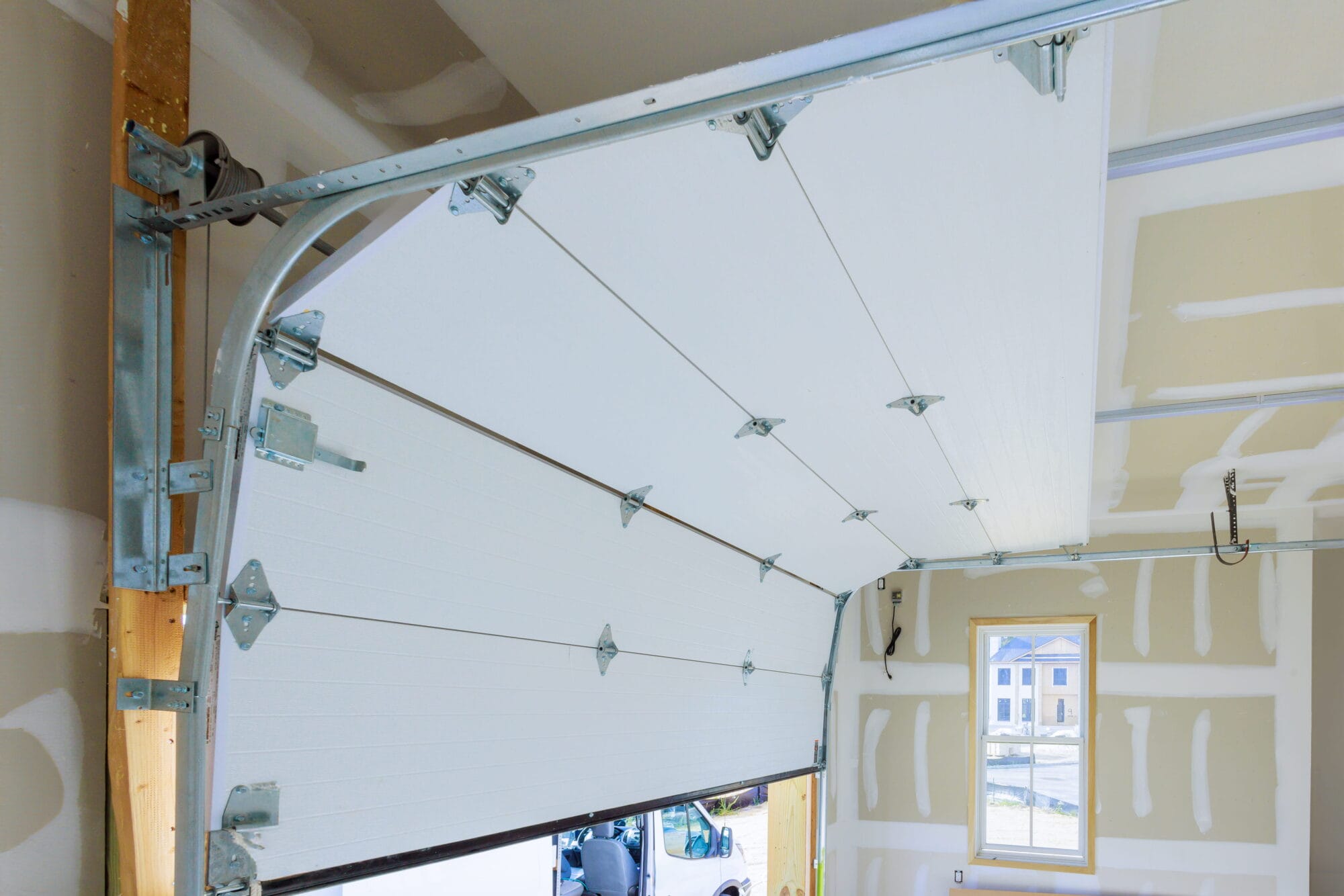
Physical obstructions in the tracking system can prevent the door from completing its cycle. Garage doors rely on a precise system of metal tracks and rollers to guide their movement. If these components are bent, dirty, or misaligned, friction increases, causing the motor to struggle or stop prematurely.
What to Look For:
- Debris: Check the tracks for rocks, sticks, or hardened grease. Clean them with a damp rag and a mild detergent.
- Bends or Dents: Inspect the vertical and horizontal tracks for any visible damage. A significant dent can derail the rollers.
- Loose Brackets: Ensure the brackets holding the tracks to the wall and ceiling are tight. Loose tracks can shift out of alignment during operation.
If you notice significant bending in the metal tracks, it is best to consult a professional. Attempting to hammer them back into place can weaken the metal and lead to catastrophic failure later.
4. Lubricate Moving Parts
Friction is the enemy of smooth garage door operation. Without proper lubrication, rollers, hinges, and springs can become stiff, causing the door to move unevenly. The opener’s motor may detect this resistance and interpret it as an obstruction, triggering the safety reversal mechanism.
Recommended Lubrication Routine:
- Use the Right Product: Avoid WD-40 as a long-term lubricant, as it attracts dust and dries out quickly. Instead, use a silicone-based spray or lithium grease specifically designed for garage doors.
- Target Areas: Apply lubricant to the roller bearings, hinge points, and the torsion spring (if accessible and safe). Do not lubricate the plastic parts of the safety sensors or the rubber weatherstripping.
- Frequency: Perform this maintenance twice a year, ideally in spring and fall, to account for temperature changes that affect metal expansion and contraction.
5. Evaluate the Weather Stripping and Seal
Sometimes, the door is closing all the way, but it appears not to because of worn-out weather stripping. The rubber seal at the bottom of the door creates a barrier against rain, pests, and drafts. If this seal is cracked, torn, or missing, the door may hit the ground unevenly, causing it to bounce back up.
Signs of Worn Weather Stripping:
- Visible cracks or gaps in the rubber.
- Water leaking under the door during rainstorms.
- Drafts entering the garage when the door is closed.
Replacing weather stripping is an inexpensive and easy DIY project. You can purchase universal replacement strips at most hardware stores. Simply pull out the old strip from the channel at the bottom of the door and press the new one firmly into place.
Comparison: DIY Fixes vs. Professional Help
| Issue | DIY Difficulty | Estimated Cost | When to Call a Pro |
|---|---|---|---|
| Sensor Alignment | Easy | $0 | If wiring is damaged |
| Limit Adjustment | Moderate | $0 | If door slams into ground |
| Track Cleaning | Easy | $5 (cleaning supplies) | If tracks are bent |
| Lubrication | Easy | $10–$15 | N/A |
| Spring Replacement | Dangerous | $150–$350 | Always |
Note: Never attempt to repair or replace garage door springs yourself. They are under extreme tension and can cause severe injury if handled incorrectly.
FAQ Section
Q: Why does my garage door close halfway and then go back up? A: This is almost always caused by the safety sensors. The beam between the two sensors is being interrupted, either by dirt, misalignment, or an actual object in the doorway. Check the LED lights on the sensors first.
Q: Can cold weather affect my garage door’s ability to close? A: Yes. In colder climates, metal tracks contract, and lubricants can thicken, increasing friction. Additionally, ice buildup on the ground can physically block the door. Ensure your tracks are clean and use cold-weather appropriate lubricant.
Q: How do I know if the problem is the motor or the door itself? A: Disconnect the opener by pulling the emergency release cord (usually a red rope). Try to lift and lower the door manually. If it moves smoothly, the issue is likely with the opener’s settings or sensors. If it is heavy or sticks, the problem is with the door’s springs, tracks, or rollers.
Q: Is it safe to bypass the sensors to make the door close? A: No. Bypassing safety sensors is extremely dangerous and violates safety standards. It removes the protection against entrapment, posing a serious risk to children and pets. Always fix the underlying issue instead.
Q: How often should I maintain my garage door? A: Experts recommend a basic inspection and lubrication every six months. A professional tune-up every 1–2 years can help identify wear and tear on springs and cables before they fail.
Conclusion
Understanding why is garage door not closing all the way empowers you to take control of your home maintenance. In most cases, the solution is simple: realigning sensors, adjusting limits, or cleaning tracks. By following the steps outlined above, you can restore functionality and ensure your family’s safety.
Remember, regular maintenance is key to preventing future issues. A well-lubricated and aligned garage door lasts longer and operates more quietly. If you found this guide helpful, please share it with your neighbors or on social media to help others troubleshoot their garage door woes. Stay safe, and keep your garage running smoothly!
Leave a Reply