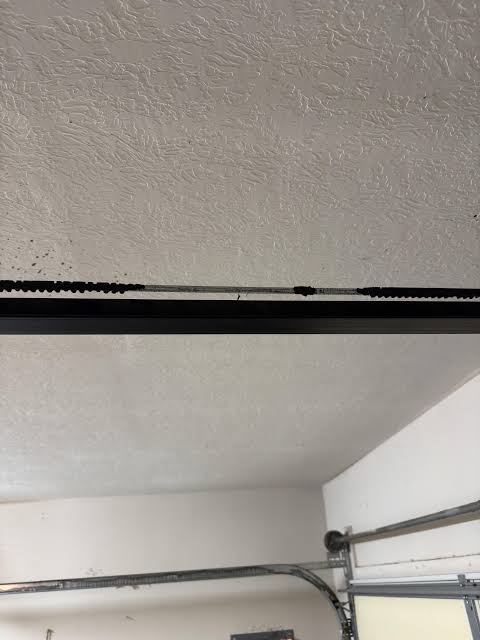
Is your garage door will only go up a few inches before stopping or reversing? This frustrating issue is more common than you think, affecting thousands of homeowners across the US every year. Don’t worry—you’re not alone, and in most cases, it’s something you can diagnose and fix yourself with the right guidance.
A garage door that barely opens isn’t just inconvenient; it can signal underlying safety issues or mechanical failures that worsen over time. Whether it’s a sensor problem, spring tension issue, or track obstruction, understanding the root cause is the first step to getting your garage door back to normal operation.
Why Does My Garage Door Only Open a Few Inches?
Before diving into solutions, it’s essential to understand why this happens. Garage doors are complex systems involving springs, cables, rollers, tracks, sensors, and openers. When one component fails or malfunctions, the entire system can shut down as a safety precaution.
According to the International Door Association, improper maintenance accounts for nearly 30% of all garage door failures. The good news? Most issues causing your door to stop after rising only a few inches are preventable or easily repairable.
Common Causes at a Glance
| Cause | Frequency | Difficulty to Fix |
|---|---|---|
| Obstructed safety sensors | Very Common | Easy |
| Misaligned limit settings | Common | Moderate |
| Broken or worn springs | Common | Hard (Professional recommended) |
| Track obstruction or damage | Common | Moderate |
| Remote/control issues | Occasional | Easy |
| Motor overload protection triggered | Occasional | Easy |
Check Your Safety Sensors First
The most frequent culprit behind a garage door that will only go up a few inches is obstructed or misaligned safety sensors. These infrared beams, located near the floor on both sides of your garage door opening, prevent the door from closing if anything breaks the beam.
How to Diagnose Sensor Issues
- Look for blinking lights: Most sensor units have LED indicators. A steady light means they’re aligned; a blinking light indicates misalignment.
- Clean the lenses: Use a soft cloth to wipe away dust, spider webs, or debris.
- Check alignment: Both sensors should face each other directly. Even a slight angle can cause failure.
- Test the beam: Place an object between the sensors while attempting to close the door. If the door doesn’t reverse, the sensors aren’t working properly.
If cleaning and realigning don’t solve the problem, the sensors themselves may be faulty and need replacement. Replacement sensor kits typically cost between $20–$50 and are widely available at home improvement stores.
Adjust Your Travel Limit Settings
Garage door openers come with travel limit settings that tell the motor how far to open and close the door. If these settings become misadjusted—due to power surges, manual overrides, or wear—the door may stop prematurely.
Step-by-Step Limit Adjustment
Most modern openers have two adjustment screws or buttons labeled “Up Limit” and “Down Limit.” Here’s how to adjust them:
- Locate the adjustment controls: These are usually on the side or back of the opener motor unit. Consult your owner’s manual for exact locations.
- Mark the current position: Use a marker to note where the screws currently sit.
- Adjust the up limit: Turn the “Up Limit” screw clockwise in small increments (quarter-turns). Test the door after each adjustment.
- Test repeatedly: Run the door through several complete cycles to ensure consistency.
- Fine-tune as needed: If the door still stops short, continue adjusting in small increments.
Warning: Over-adjusting can cause the door to strain against its physical limits, potentially damaging the opener or door components. Always make small adjustments and test frequently.
For detailed technical specifications on garage door opener mechanisms, you can reference Wikipedia’s article on garage door openers, which provides comprehensive background on how these systems operate.
Inspect Springs and Cables for Damage
Broken or worn torsion springs are among the most dangerous and common reasons a garage door will only go up a few inches. Springs counterbalance the door’s weight, making it easy for the opener to lift. When springs fail, the motor struggles and often triggers its overload protection, stopping the door mid-cycle.
Signs of Spring Failure
- Visible gaps in the torsion spring coils
- Loud banging noise when operating the door
- Door feels extremely heavy when lifted manually
- Cables appear loose or disconnected
Critical Safety Note: Torsion springs are under extreme tension and can cause severe injury or death if handled improperly. The Consumer Product Safety Commission reports hundreds of injuries annually from DIY spring repairs. Never attempt to repair or replace torsion springs yourself. Always hire a licensed professional.
Extension springs, located on either side of the horizontal tracks, are somewhat safer to inspect but should still be handled with caution. Look for signs of stretching, rust, or broken safety cables.
Clear Track Obstructions and Check Alignment
Debris, dents, or misalignment in the garage door tracks can physically prevent the door from rising fully. Even small obstructions like pebbles, leaves, or built-up grime can trigger the opener’s safety reversal mechanism.
Track Inspection Checklist
- Visual inspection: Look for dents, bends, or foreign objects in both vertical and horizontal tracks.
- Clean thoroughly: Use a brush and mild detergent to remove dirt and grease buildup.
- Check roller condition: Worn or damaged rollers can catch on track imperfections.
- Verify track alignment: Use a level to ensure tracks are plumb (vertical) and properly angled (horizontal sections should slope slightly toward the back of the garage).
- Tighten hardware: Loose bolts or brackets can cause tracks to shift out of alignment.
If you find significant dents or bends, track replacement may be necessary. Minor misalignments can often be corrected by loosening mounting brackets, gently tapping the track into position, and retightening.
Test Your Remote and Wall Control
Sometimes the issue isn’t mechanical at all—it’s electronic. A weak remote battery, faulty wall control button, or interference from other devices can cause erratic door behavior.
Quick Electronic Troubleshooting
- Replace remote batteries: Use fresh alkaline batteries, even if the old ones seem functional.
- Reprogram the remote: Follow your opener’s manual to resync the remote control.
- Test the wall control: Try operating the door using only the wall-mounted button. If it works normally, the issue is with the remote.
- Check for interference: LED bulbs, wireless cameras, and other electronics can interfere with opener signals. Try unplugging nearby devices temporarily.
- Inspect wiring: Look for frayed or disconnected wires between the wall control and opener unit.
When to Call a Professional Garage Door Technician
While many issues causing your garage door to only go up a few inches can be DIY-fixed, some situations demand professional expertise:
- Broken torsion springs: As mentioned, these are extremely dangerous to handle.
- Damaged cables: Frayed or snapped cables require specialized tools and knowledge.
- Motor failure: If the opener makes unusual noises or smells burnt, it may need replacement.
- Persistent problems: If you’ve tried multiple fixes and the issue remains, a professional diagnosis is warranted.
The average cost for professional garage door repair ranges from $150–$350, depending on the issue. While this may seem steep, it’s far cheaper than replacing an entire door system due to improper DIY repairs.
Frequently Asked Questions
Q: Can weather affect how my garage door opens?
A: Yes, extreme temperatures can impact garage door performance. Cold weather causes metal components to contract, potentially increasing friction in tracks and hinges. Hot weather can expand materials, causing binding. Additionally, humidity can affect sensor performance. Regular lubrication with silicone-based spray (not WD-40) helps mitigate weather-related issues.
Q: How often should I maintain my garage door?
A: Industry experts recommend biannual maintenance—once in spring and once in fall. This includes lubricating moving parts, checking spring tension, inspecting cables, testing safety sensors, and tightening hardware. A well-maintained garage door can last 15–30 years, while neglected doors often fail within 7–10 years.
Q: Is it safe to operate a garage door that only opens partially?
A: No, it’s not recommended. A door that stops mid-cycle indicates an underlying problem that could worsen suddenly, potentially causing the door to fall or the opener to fail completely. Additionally, partial operation puts extra strain on the motor and components, accelerating wear. Address the issue promptly to avoid costly repairs or safety hazards.
Q: Why does my garage door reverse after going up a few inches?
A: Reversal is typically triggered by the safety sensors detecting an obstruction or by the force sensitivity setting being too high. First, check and clean your sensors. If they’re functioning correctly, adjust the force sensitivity settings on your opener (consult your manual). If the problem persists, there may be physical resistance in the tracks or a spring issue requiring professional attention.
Q: Can I reset my garage door opener to fix this problem?
A: Yes, performing a factory reset can sometimes resolve electronic glitches causing erratic behavior. To reset: disconnect power to the opener for 30 seconds, reconnect it, and reprogram all remotes and keypads according to your manual. Note that this won’t fix mechanical issues like broken springs or track obstructions.
Q: How much does it cost to replace garage door springs?
A: Professional torsion spring replacement typically costs $200–$400, including labor and parts. Extension springs are less expensive, ranging from $100–$200. Prices vary based on door size, spring type, and regional labor rates. Always get multiple quotes and verify the technician is licensed and insured.
Conclusion
Dealing with a garage door that will only go up a few inches is frustrating, but armed with the right knowledge, you can diagnose and often fix the problem yourself. Start with the simplest solutions—cleaning sensors, checking for obstructions, and testing remotes—before moving to more complex adjustments like travel limits.
Remember, safety should always be your top priority. Never attempt torsion spring repairs on your own, and don’t hesitate to call a professional when in doubt. Regular maintenance is your best defense against unexpected failures, saving you time, money, and stress in the long run.
Found this guide helpful? Share it with friends and neighbors who might be struggling with similar garage door issues. Bookmark this page for future reference, and don’t forget to perform those biannual maintenance checks to keep your garage door running smoothly for years to come!
Leave a Reply