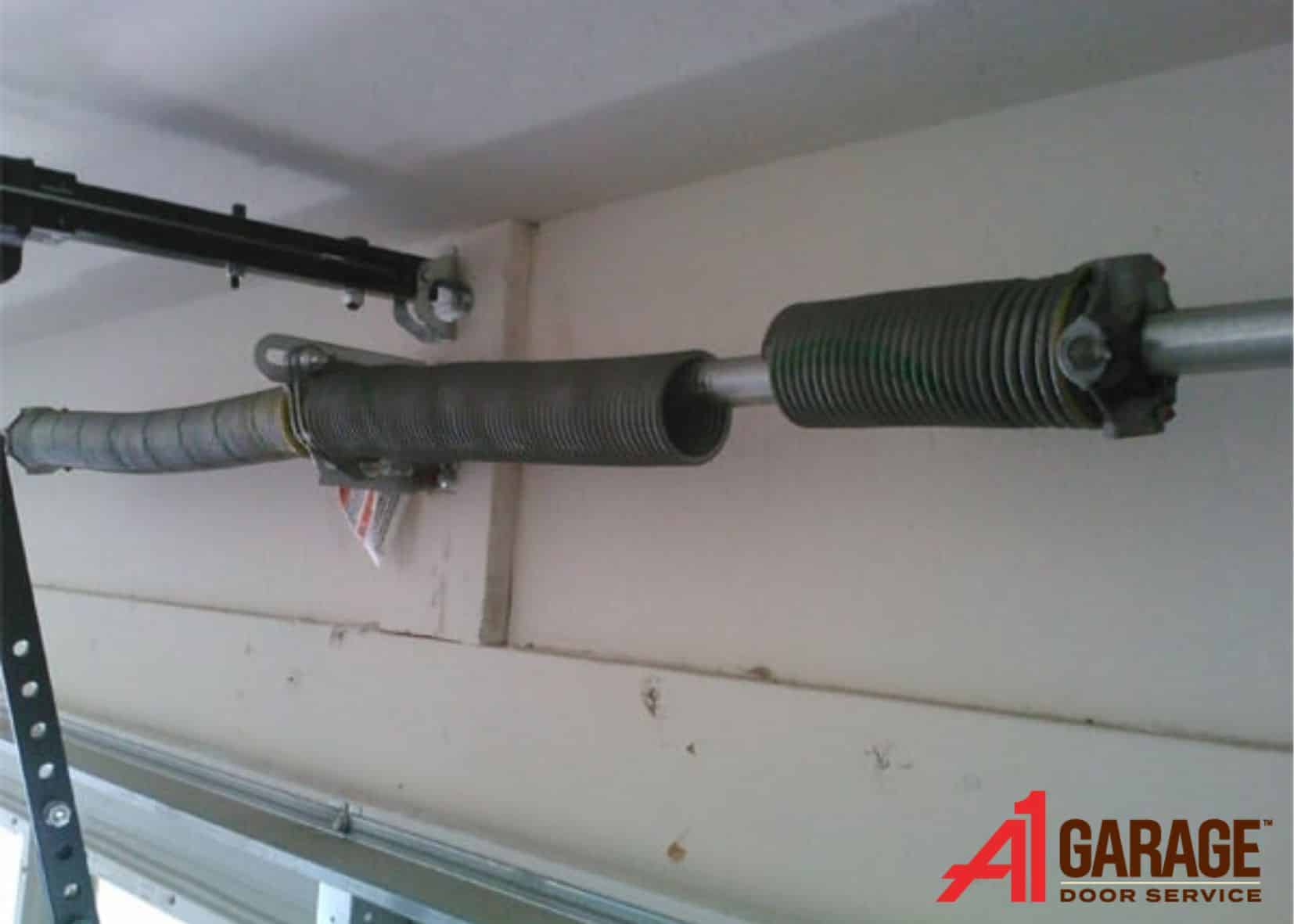
Have you ever woken up to the loud bang of a broken garage door spring, leaving your car trapped inside? It is a stressful situation that disrupts your daily routine and raises immediate concerns about safety and budget. If you are wondering how much does it cost to fix garage door spring, you are not alone; this is one of the most common yet urgent home repair questions homeowners face.
Understanding the costs involved can help you make an informed decision quickly, ensuring your garage door is back in working order without breaking the bank or compromising your safety.
Understanding the Average Cost Breakdown
When a garage door spring breaks, the immediate question is always about the price tag. The cost to repair or replace a garage door spring varies significantly based on the type of spring, your location, and whether you hire a professional or attempt a DIY fix.
On average, homeowners in the United States can expect to pay between $150 and $350 for a professional replacement. However, this range can fluctuate. For a standard single-car garage with one torsion spring, the cost might lean toward the lower end, while double-car garages with high-cycle springs or complex extension systems may cost upwards of $400.
Factors Influencing the Price
Several key factors determine the final bill:
- Type of Spring: Torsion springs (mounted above the door) are generally more expensive than extension springs (located on the sides) due to their complexity and higher tension.
- Number of Springs: Most modern doors use two springs for balance. If one breaks, it is often recommended to replace both, doubling the parts cost but ensuring balanced operation.
- Labor Rates: Professional technicians charge for their expertise and risk. Labor typically accounts for 50–60% of the total cost.
- Geographic Location: Prices in urban areas or regions with a higher cost of living tend to be higher than in rural areas.
- Emergency Service: If you need repair outside of normal business hours, expect to pay a premium, often adding $50–$100 to the bill.
| Cost Component | Estimated Price Range | Notes |
|---|---|---|
| Parts Only (DIY) | $20 – $60 | High risk; requires special tools |
| Professional Labor | $100 – $200 | Includes safety inspection |
| Total Professional Cost | $150 – $350 | Average for single spring |
| Double Spring Replacement | $250 – $450 | Recommended for longevity |
Torsion Springs vs. Extension Springs: Which Is More Expensive?
To understand the cost, you must first identify which type of spring your garage door uses. This distinction is crucial because it affects both the price and the difficulty of the repair.
Torsion Springs
Torsion springs are mounted horizontally above the closed garage door. They work by twisting (torque) to lift the door. These are the most common type in modern homes because they are safer, last longer, and provide smoother operation.
- Cost: Typically $200–$400 for professional replacement.
- Lifespan: 15,000–20,000 cycles (approx. 7–10 years).
- Safety Risk: Extremely high. These springs are under immense tension and can cause severe injury if handled incorrectly.
Extension Springs
Extension springs are located on either side of the door, above the horizontal tracks. They stretch to lift the door. These are more common in older homes or lighter doors.
- Cost: Typically $100–$200 for professional replacement.
- Lifespan: 10,000–15,000 cycles (approx. 5–7 years).
- Safety Risk: Moderate to high. If they break, they can snap violently across the room unless secured with safety cables.
According to industry standards, torsion springs are preferred for their durability and balance, even though they come with a higher upfront cost. For more detailed technical specifications on spring mechanics, you can refer to general engineering principles on Wikipedia.
Why You Should Avoid DIY Garage Door Spring Repair
It is tempting to look up “how to fix garage door spring” on YouTube and save a few hundred dollars. However, garage door springs are among the most dangerous components in a home.
The Dangers of High Tension
A typical garage door spring is wound under hundreds of pounds of tension. When a spring breaks or is released improperly, it can unleash kinetic energy capable of causing:
- Severe lacerations or amputation.
- Broken bones from flying metal fragments.
- Property damage to vehicles or walls.
Specialized Tools Required
Professional technicians use specific winding bars, vice grips, and clamps designed to handle the torque safely. Using makeshift tools like screwdrivers or pry bars is a recipe for disaster. The margin for error is virtually zero.
Expert Insight: “Homeowners should never attempt to replace torsion springs themselves. The risk of serious injury far outweighs the cost savings. Always hire a licensed and insured professional.” — National Association of Garage Door Service Professionals.
Signs Your Garage Door Spring Needs Replacement
Sometimes, the break is obvious—a loud bang and a door that won’t open. Other times, the signs are subtle. Recognizing these early can prevent further damage to your garage door opener or tracks.
- The Door Won’t Open: If the opener motor runs but the door doesn’t move, the spring is likely broken.
- Visible Gap: Look at the torsion spring above the door. A visible gap in the coils indicates a break.
- Uneven Movement: If the door jerks or moves unevenly, one spring may be losing tension.
- Loud Noises: Squeaking, grinding, or popping sounds during operation suggest wear and tear.
- Heavy Door: If the door feels unusually heavy when manually lifted (with the opener disconnected), the springs are no longer providing adequate counterbalance.
How to Extend the Life of Your Garage Door Springs
While springs eventually wear out, proper maintenance can maximize their lifespan and delay the inevitable replacement cost.
- Regular Lubrication: Apply a silicone-based lubricant or white lithium grease to the springs every six months. Avoid WD-40, as it attracts dust and can dry out the metal.
- Balance Test: Disconnect the opener and manually lift the door halfway. If it stays in place, it is balanced. If it falls or rises, the springs are unbalanced and need adjustment.
- Visual Inspections: Check for rust, corrosion, or gaps in the coils monthly.
- Avoid Slamming: Never force the door down or let it slam shut, as this puts unnecessary stress on the springs.
FAQ: Common Questions About Garage Door Spring Costs
Q1: Can I just replace one spring if only one is broken?
A: While it is possible to replace just one spring, it is highly recommended to replace both. Since both springs have endured the same number of cycles, the second one is likely near the end of its life. Replacing both ensures balanced lifting and prevents another service call in the near future.
Q2: How long do garage door springs last?
A: Most standard springs are rated for 10,000 to 20,000 cycles. One cycle equals one opening and one closing. For an average family, this translates to 7–10 years for torsion springs and 5–7 years for extension springs. High-cycle springs can last up to 25,000 cycles.
Q3: Does homeowners insurance cover broken garage door springs?
A: Generally, no. Broken springs are considered wear and tear, which is excluded from most standard homeowners insurance policies. Insurance typically covers sudden, accidental damage from events like storms or vandalism, not mechanical failure due to age.
Q4: How much does it cost to fix a garage door spring myself?
A: The parts cost between $20 and $60. However, you must purchase specialized winding bars ($10–$20) and assume significant personal risk. Given the danger, the small savings are rarely worth the potential medical bills.
Q5: What is the difference between standard and high-cycle springs?
A: Standard springs are rated for 10,000 cycles, while high-cycle springs are rated for 25,000+ cycles. High-cycle springs are made from higher-quality steel and last significantly longer. They cost about 20–30% more upfront but offer better long-term value.
Q6: How quickly can a technician fix a broken spring?
A: A professional technician can typically replace a garage door spring in 30 to 60 minutes. Same-day service is often available, especially if you call in the morning.
Conclusion
Dealing with a broken garage door spring is undeniably inconvenient, but understanding how much does it cost to fix garage door spring empowers you to handle the situation wisely. With average costs ranging from $150 to $350, professional replacement is a reasonable investment for safety and reliability.
Remember, the risks of DIY repair far outweigh the savings. By hiring a certified technician, you ensure the job is done correctly, safely, and with a warranty. Regular maintenance, such as lubrication and balance checks, can also help extend the life of your new springs.
If you found this guide helpful, please share it on social media to help friends and neighbors navigate their garage door repairs safely. Stay safe, and keep your garage door running smoothly!
Leave a Reply