Have you ever woken up to the loud bang of a broken garage door spring, leaving your car trapped inside? It is a frustrating and potentially dangerous situation that many homeowners face unexpectedly. If you are wondering how much to fix a spring on a garage door, you are not alone; understanding the costs and safety implications is crucial for making the right decision quickly.
Understanding the Cost: What Determines the Price?
The cost to repair or replace a garage door spring varies significantly based on several factors. Generally, homeowners can expect to pay between $150 and $350 for a single spring replacement, including labor. However, this price can fluctuate depending on the type of spring, the weight of your door, and your geographic location.
Type of Spring: Torsion vs. Extension
There are two main types of garage door springs, and knowing which one you have is the first step in estimating costs.
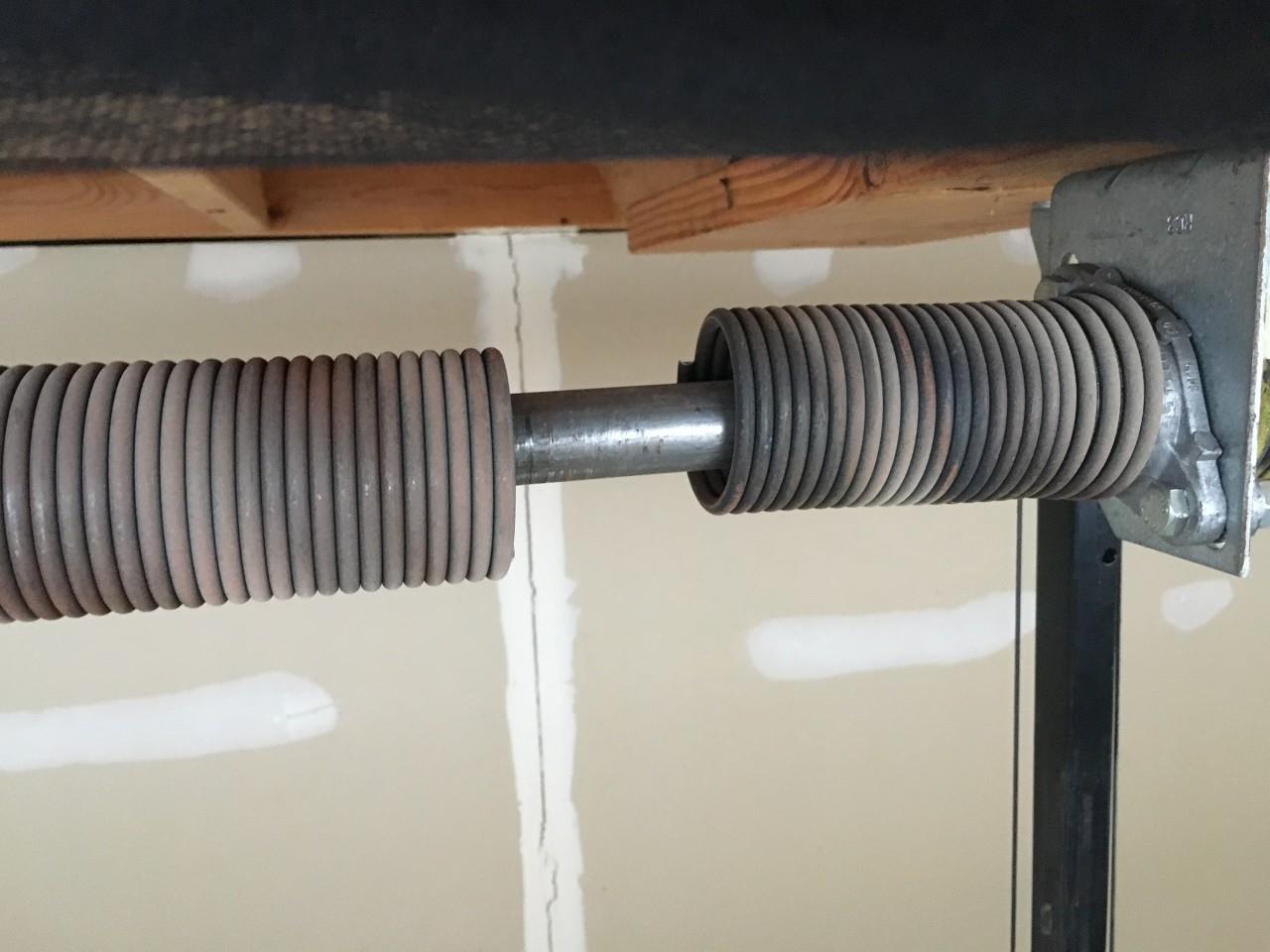
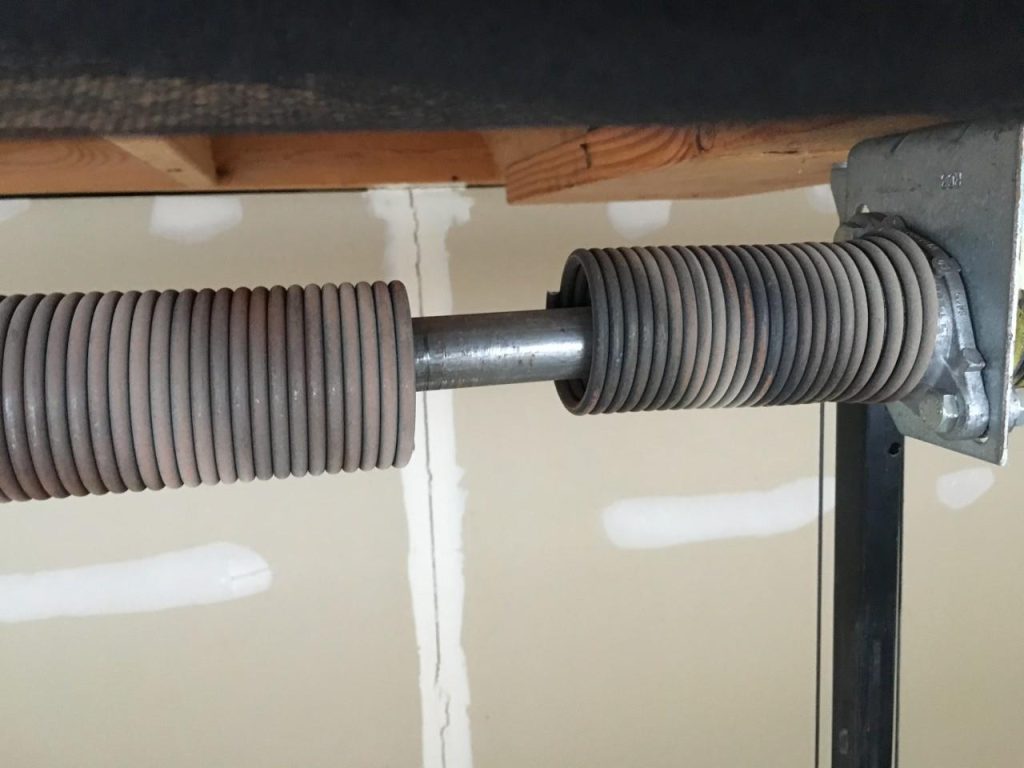
- Torsion Springs: These are mounted horizontally above the garage door opening. They are more common in modern homes because they are safer, last longer, and provide smoother operation. Replacing torsion springs is more complex and requires specialized tools, which often makes them slightly more expensive to fix.
- Extension Springs: These run parallel to the horizontal tracks on both sides of the door. They are typically found in older homes or lighter doors. While the parts themselves are cheaper, they wear out faster and can be more dangerous if they snap unexpectedly.
| Feature | Torsion Springs | Extension Springs |
|---|---|---|
| Location | Above the door | Alongside the tracks |
| Lifespan | 15,000–20,000 cycles | 10,000–15,000 cycles |
| Safety | Safer (contained in tube) | Higher risk if broken |
| Avg. Repair Cost | $200–$350 | $150–$250 |
Labor Costs and Professional Expertise
Labor typically accounts for 50–60% of the total repair bill. Garage door springs are under extreme tension—enough to lift hundreds of pounds. Attempting a DIY repair without proper training and tools can result in severe injury or property damage. According to industry standards, professional technicians charge an hourly rate of $75 to $150, but most spring replacements are billed as a flat-rate service call.
It is essential to hire a licensed and insured professional. You can read more about the mechanical principles of these systems on Wikipedia’s page on garage door openers, which highlights the importance of proper counterbalancing mechanisms.
Signs Your Garage Door Spring Needs Replacement
Before you call a technician, it helps to confirm that the spring is indeed the problem. Here are the most common signs:
- Loud Bang: A sudden, gunshot-like noise from the garage is the most telltale sign of a broken spring.
- Door Won’t Open: If the opener motor runs but the door doesn’t move, or if it only opens a few inches, the spring has likely lost its tension.
- Visible Gap: Look at the torsion spring above the door. If you see a visible gap in the coils, it is broken. For extension springs, look for a snapped cable or a broken coil.
- Uneven Movement: If the door appears crooked or jerky as it moves, one spring may be failing while the other is still intact.
Why You Should Not Attempt DIY Spring Repair
While many home repairs are suitable for DIY enthusiasts, garage door spring replacement is not one of them. The tension stored in these springs is immense. A slipping winding bar or a broken tool can release this energy instantly, causing the metal to whip around with lethal force.
Professional technicians use specific safety tools, such as winding bars and vice grips, and follow strict safety protocols. They also know how to correctly balance the door after replacement. An improperly balanced door can strain the opener, leading to premature failure of other components.
Factors That Influence the Final Bill
Several variables can affect the final quote you receive:
- Single vs. Double Springs: Many modern garage doors use two torsion springs for better balance and longevity. If one breaks, it is often recommended to replace both, as the second spring is likely near the end of its life cycle as well. This will double the parts cost but saves you from another service call in the near future.
- Cycle Rating: Springs are rated by “cycles” (one open and close equals one cycle). Standard springs are rated for 10,000 cycles, while high-cycle springs can last up to 25,000 cycles. High-cycle springs cost more upfront but offer better long-term value.
- Emergency Service Fees: If your door breaks on a weekend, holiday, or late at night, expect to pay an emergency service fee, which can add $50–$100 to the total bill.
- Geographic Location: Labor rates vary by region. Urban areas with a higher cost of living typically have higher service charges than rural areas.
Step-by-Step: What to Expect During a Professional Repair
Understanding the process can help alleviate anxiety when the technician arrives. Here is what a standard professional repair looks like:
- Inspection: The technician will inspect the entire garage door system, including cables, rollers, and hinges, to ensure no other damage occurred when the spring broke.
- Safety Release: They will safely release the tension from the remaining spring (if applicable) using proper winding bars.
- Removal: The broken spring is carefully removed. For torsion springs, this involves loosening the set screws and sliding the spring off the torsion tube.
- Installation: The new spring is installed. It is critical that the new spring matches the exact wire size, inside diameter, and length of the old one.
- Winding: The technician winds the spring to the correct number of turns, which corresponds to the weight of the door. This is the most dangerous part of the job and requires precision.
- Testing: The door is tested manually to ensure it stays in place when halfway open (balanced). Then, the opener is re-engaged and tested for smooth operation.
FAQ Section
How long do garage door springs last?
On average, garage door springs last between 7 to 12 years, depending on usage. A standard spring is rated for 10,000 cycles. If you open and close your door twice a day, a 10,000-cycle spring will last approximately 13 years. However, climate conditions and lack of maintenance can shorten this lifespan.
Can I replace just one spring if I have two?
Technically, yes, but it is highly discouraged. If one spring has broken, the other has undergone the same amount of wear and tear and is likely to fail soon. Replacing both ensures balanced operation and prevents you from paying for a second service call in the near future. Most professionals will only warranty the job if both springs are replaced.
Is it safe to use my garage door if the spring is broken?
No. Do not attempt to open or close the door manually or with the opener. The door is extremely heavy without the counterbalance of the spring. Trying to force it can damage the opener, bend the tracks, or cause the door to fall unexpectedly, posing a serious safety risk to people and pets.
What is the difference between oil-tempered and galvanized springs?
Oil-tempered springs are the industry standard and are coated with a black oxide finish. Galvanized springs have a zinc coating that offers better resistance to rust and corrosion, making them ideal for humid or coastal climates. Galvanized springs may cost slightly more but can last longer in harsh environments.
How can I extend the life of my garage door springs?
Regular maintenance is key. Lubricate the springs with a silicone-based or lithium-based garage door lubricant every six months. Avoid using WD-40, as it attracts dust and can degrade over time. Additionally, keep the tracks clean and ensure the door is properly balanced to reduce unnecessary strain on the springs.
Does homeowners insurance cover broken garage door springs?
In most cases, no. Broken springs are considered a result of normal wear and tear, which is typically excluded from homeowners insurance policies. Insurance usually covers sudden, accidental damage from events like storms or vehicle impacts. However, it is always worth checking your specific policy details.
Conclusion
Knowing how much to fix a spring on a garage door empowers you to budget effectively and avoid being overcharged. With average costs ranging from $150 to $350, this repair is a manageable expense for most homeowners, provided you prioritize safety and professional expertise. Remember, the danger associated with high-tension springs makes DIY attempts risky and potentially costly in the long run.
By choosing a reputable technician and considering high-cycle springs for longer durability, you can ensure your garage door operates smoothly and safely for years to come. Don’t wait until the next bang—schedule regular maintenance to catch issues early.
Found this guide helpful? Share it with your neighbors on social media to help them stay prepared!
Leave a Reply