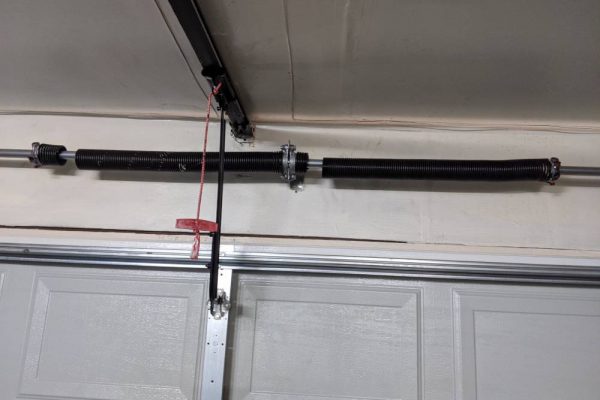
Have you ever walked out to your car in the morning, pressed the remote, and heard a loud bang followed by silence? It is a startling experience that leaves many homeowners stranded and frustrated. If you are currently dealing with this issue, you are likely wondering how much to repair broken spring on garage door and whether it is safe to handle it yourself. This guide breaks down the costs, risks, and solutions to help you get your garage back in working order quickly and safely.
Understanding the Cost: What Determines the Price?
When a garage door spring breaks, the immediate question is always about the financial impact. The cost to repair or replace a broken garage door spring typically ranges between $150 and $350 for a single spring, including labor and parts. However, this price can fluctuate based on several critical factors.
The type of spring is the primary cost driver. There are two main types:
- Torsion Springs: Located above the door opening on a metal shaft. These are more durable, last longer (15,000–20,000 cycles), but are more expensive to replace due to the complexity of installation.
- Extension Springs: Located on both sides of the upper tracks. These are generally cheaper but have a shorter lifespan and require more frequent replacement.
Labor costs also vary significantly by region. In major metropolitan areas in the US, hourly rates for professional technicians can range from $75 to $150 per hour. Additionally, if the breakage has caused secondary damage to cables, rollers, or the opener mechanism, these repairs will add to the total bill.
| Spring Type | Average Part Cost | Average Labor Cost | Total Estimated Cost | Lifespan (Cycles) |
|---|---|---|---|---|
| Torsion Spring | $80 – $150 | $100 – $200 | $180 – $350 | 15,000 – 20,000 |
| Extension Spring | $40 – $80 | $80 – $150 | $120 – $230 | 10,000 – 15,000 |
Note: Prices are estimates for 2026 and may vary by location and service provider.
Is It Safe to Replace a Garage Door Spring Yourself?
This is perhaps the most important question to address before discussing DIY savings. While replacing a light bulb or tightening a loose screw is a simple DIY task, garage door springs are under extreme tension. A standard torsion spring can hold enough energy to lift hundreds of pounds. If handled incorrectly, this stored energy can release violently, causing severe injury or even death.
According to safety guidelines, only experienced individuals with the proper tools—specifically winding bars designed for torsion springs—should attempt this repair. For extension springs, safety cables must be installed to prevent the spring from whipping across the garage if it snaps again.
If you do not have prior experience with high-tension mechanical systems, it is strongly recommended to hire a professional. The risk of personal injury far outweighs the potential savings of $100–$150 in labor costs. Professional technicians carry insurance and have the specialized tools to wind and unwind springs safely.
For more detailed information on garage door mechanisms and safety standards, you can refer to the general overview on Wikipedia.
Signs Your Garage Door Spring Is About to Break
Preventative maintenance can save you from unexpected breakdowns. Often, springs give warning signs before they completely snap. Being aware of these indicators can help you schedule a repair before you are stuck with a closed garage door.
- Visible Gaps: Look at the torsion spring above the door. If you see a noticeable gap in the coils, the spring is stretched out and nearing the end of its life.
- Loud Noises: A loud bang or snap is the most obvious sign, but preceding creaking or grinding noises during operation can indicate wear.
- Door Imbalance: Disconnect the opener using the emergency release cord. Manually lift the door halfway. If it does not stay in place or feels extremely heavy, the springs are not providing adequate counterbalance.
- Rust and Corrosion: Exposure to moisture can weaken the metal. If you see significant rust, the structural integrity of the spring is compromised.
Step-by-Step: What Happens During a Professional Repair?
Understanding the process can help you feel more confident when hiring a technician. Here is what typically happens during a professional spring replacement service:
- Safety Inspection: The technician will first inspect the entire garage door system, including cables, rollers, and hinges, to ensure no other components were damaged by the spring failure.
- Securing the Door: The door is clamped or secured in the open position to prevent it from falling while the old spring is removed.
- Releasing Tension: Using specialized winding bars, the technician carefully unwinds the old torsion spring to release the stored tension. This is the most dangerous part of the job.
- Removal and Replacement: The broken spring is removed, and the new spring is installed. It is crucial that the new spring matches the weight and height specifications of your specific door.
- Winding the New Spring: The technician winds the new spring to the correct number of turns. Each quarter-turn adds specific lifting power. Incorrect winding can lead to premature failure or door imbalance.
- Testing and Lubrication: The door is tested multiple times to ensure smooth operation. Finally, the springs and moving parts are lubricated to reduce friction and extend lifespan.
Why You Should Replace Both Springs Even If Only One Broke
A common question homeowners ask is, “Can I just replace the broken spring?” While technically possible, most professionals recommend replacing both springs if your door uses a dual-spring system.
Here is why:
- Equal Wear: If one spring broke, the other has undergone the same number of cycles and is likely near the end of its life as well.
- Cost Efficiency: You will already be paying for the service call and labor. Replacing the second spring now usually costs only the price of the part, saving you from another service fee in the near future.
- Balanced Performance: Using two new springs ensures balanced lifting force, which reduces strain on the garage door opener and extends the life of the entire system.
Replacing only one spring can lead to uneven tension, causing the door to operate roughly and potentially damaging the tracks or opener motor within months.
How to Extend the Life of Your Garage Door Springs
While springs are wear items and will eventually need replacement, proper maintenance can maximize their lifespan. Follow these tips to keep your garage door functioning smoothly:
- Regular Lubrication: Apply a silicone-based lubricant or garage door-specific spray to the springs every six months. Avoid WD-40 as it attracts dust and can dry out over time.
- Keep Tracks Clean: Ensure the vertical and horizontal tracks are free of debris, dirt, and obstructions. Misaligned tracks put extra stress on the springs.
- Annual Professional Tune-Up: Have a certified technician inspect your garage door system once a year. They can spot early signs of wear and adjust tension as needed.
- Avoid Slamming: Do not let the door slam shut. Use the wall button or remote to control the closing speed gently.
FAQ Section
1. How long do garage door springs typically last?
Most garage door springs are rated for a specific number of “cycles” (one open and one close). Standard springs last between 10,000 and 15,000 cycles. For an average family using the door twice a day, this translates to roughly 7–10 years. High-cycle springs can last up to 20,000 cycles or more.
2. Can I use my garage door if the spring is broken?
No. You should not attempt to operate your garage door if a spring is broken. The springs counterbalance the weight of the door. Without them, the door becomes extremely heavy and can fall rapidly, posing a serious safety hazard to people, pets, and vehicles. It can also damage the garage door opener motor if you try to force it open.
3. Does homeowners insurance cover broken garage door springs?
In most cases, no. Homeowners insurance typically covers sudden and accidental damage from events like storms, fire, or vandalism. Since spring breakage is considered a result of normal wear and tear, it is generally excluded from coverage. However, if the spring broke due to a covered event (like a tree falling on the door), it might be covered. Check with your specific provider.
4. What is the difference between torsion and extension springs?
Torsion springs are mounted horizontally above the garage door opening and work by twisting (torque). They are safer, more durable, and provide smoother operation. Extension springs are mounted vertically along the horizontal tracks and stretch to lift the door. They are less expensive but require safety cables and are more prone to sudden failure.
5. How quickly can a technician fix a broken spring?
A professional technician can typically replace a broken garage door spring in 30 to 60 minutes. However, scheduling the appointment may take longer depending on the company’s availability. Many companies offer emergency same-day service for an additional fee.
Conclusion
Dealing with a broken garage door spring is inconvenient, but understanding how much to repair broken spring on garage door helps you plan effectively. With costs ranging from $150 to $350, investing in professional repair ensures your safety and the longevity of your garage door system. Remember, the risks associated with DIY replacement are significant, and the peace of mind provided by a certified technician is worth the investment.
Don’t let a broken spring disrupt your daily routine. Regular maintenance and timely repairs can keep your garage door operating smoothly for years. If you found this guide helpful, please share it with friends or neighbors who might be facing similar garage door issues!
Leave a Reply