Introduction
There’s nothing quite as frustrating as waking up to find your garage door won’t open, only to discover a broken spring on your garage door. Whether you’re rushing to work or trying to get your car out for an important appointment, this common household problem can bring your entire day to a screeching halt. Learning how to fix a broken spring on garage door systems can save you hundreds of dollars in repair costs, but it’s crucial to understand the risks and proper techniques before attempting any repairs yourself.
Garage door springs are under tremendous tension—often holding 200-400 pounds of force—and improper handling can result in serious injury. This comprehensive guide will walk you through everything you need to know about identifying, repairing, and maintaining your garage door springs safely and effectively.
Understanding Garage Door Springs: Types and Functions
Before diving into repairs, it’s essential to understand what you’re working with. Garage doors typically use one of two spring systems, each with distinct characteristics and repair requirements.
Torsion Springs vs. Extension Springs
| Feature | Torsion Springs | Extension Springs |
|---|---|---|
| Location | Mounted above door opening | Run along horizontal tracks |
| Lifespan | 15,000-20,000 cycles | 10,000-15,000 cycles |
| Difficulty | More complex repair | Easier to replace |
| Safety Risk | Higher tension danger | Moderate risk |
| Cost Range | $150-$350 | $75-$150 |
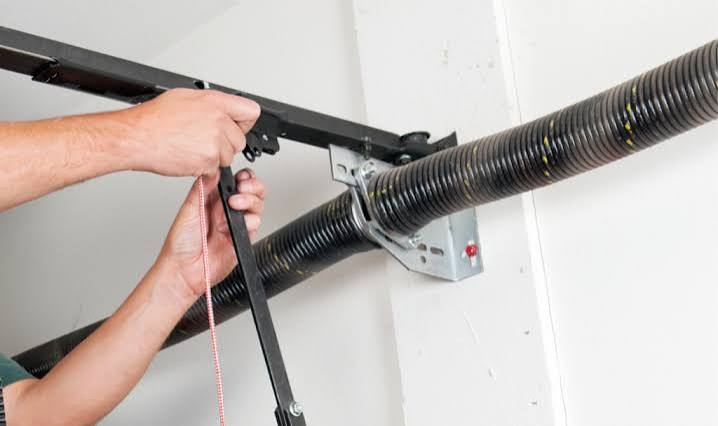
Torsion springs are mounted horizontally above the garage door opening and work by twisting to store energy. They’re more common in modern installations and generally last longer than their counterparts. Extension springs, on the other hand, stretch and contract along the horizontal tracks on either side of the door.
According to the International Door Association, garage door springs account for approximately 85% of all garage door service calls, making them the most commonly replaced component in residential garage door systems.
Warning Signs Your Garage Door Spring Needs Attention
Recognizing the early warning signs can prevent complete spring failure and potential safety hazards. Here are the most common indicators that your garage door spring is failing:
- Loud snapping noise from the garage area
- Door feels heavier than usual when operating manually
- Uneven movement or tilting during operation
- Visible gaps in the spring coils
- Rust or corrosion on spring surfaces
- Door won’t stay open or closes too quickly
If you notice any of these symptoms, it’s time to inspect your springs carefully. Remember, garage door springs typically last 7-12 years with normal use, so age alone can be a significant factor.
Safety First: Essential Precautions Before Repair
This cannot be emphasized enough: garage door springs are extremely dangerous. The tension stored in these springs can cause severe injury or even death if handled improperly. Before attempting any repair, follow these critical safety measures:
Required Safety Equipment
- Safety glasses to protect eyes from flying debris
- Heavy-duty work gloves for hand protection
- Steel-toed boots for foot safety
- Vise grips or C-clamps to secure the door
- Proper winding bars (never use screwdrivers)
Critical Safety Rules
- Never attempt torsion spring repair without proper training
- Always disconnect the garage door opener before working
- Secure the door in the open position using clamps
- Work with a partner whenever possible
- Keep children and pets away from the work area
If you’re uncomfortable with any aspect of the repair, call a professional immediately. No cost savings are worth risking your safety.
Step-by-Step Guide: How to Fix Extension Springs
Extension springs are generally safer and easier to repair than torsion springs. Here’s a detailed walkthrough for replacing broken extension springs:
Step 1: Prepare Your Workspace
Clear the area around your garage door and gather all necessary tools. You’ll need replacement springs that match your current specifications exactly.
Step 2: Secure the Garage Door
Open the door completely and clamp it securely to the tracks using vise grips. This prevents accidental closure during repair.
Step 3: Release Tension Safely
Using proper safety cables, slowly release the tension from the broken spring. Never cut or remove a spring under tension.
Step 4: Remove the Broken Spring
Once tension is fully released, disconnect the spring from its mounting points. Take note of the attachment method for reinstallation.
Step 5: Install the New Spring
Attach the new spring using the same configuration as the old one. Ensure all connections are tight and secure.
Step 6: Test the System
Remove the clamps and test the door operation slowly. The door should move smoothly and stay in place when partially opened.
When to Call a Professional for Torsion Spring Repair
Torsion spring repair requires specialized tools and extensive training. Here are situations where professional help is absolutely necessary:
- Both springs are broken (indicates system-wide issues)
- You lack proper winding bars and safety equipment
- The spring cable is damaged or frayed
- You’re unsure about spring specifications
- Previous DIY attempts have failed
Professional garage door technicians have the expertise and insurance coverage to handle these dangerous repairs safely. The average cost for professional torsion spring replacement ranges from $200-$400, which includes labor and warranty coverage.
Cost Comparison: DIY vs. Professional Repair
Understanding the financial implications can help you make an informed decision about your repair approach.
| Repair Type | DIY Cost | Professional Cost | Time Required |
|---|---|---|---|
| Extension Spring | $50-$100 | $150-$250 | 2-3 hours vs. 1 hour |
| Torsion Spring | $100-$200 | $250-$400 | Not recommended vs. 1-2 hours |
| Both Springs | $150-$300 | $350-$600 | Not recommended vs. 2-3 hours |
While DIY repairs can save money, factor in the value of your time, potential tool purchases, and warranty considerations when making your decision.
Preventive Maintenance Tips
Regular maintenance can extend your garage door spring life significantly and prevent unexpected failures:
- Lubricate springs quarterly with silicone-based lubricant
- Inspect springs monthly for signs of wear or damage
- Test balance semi-annually by disconnecting opener and manually operating door
- Keep tracks clean and properly aligned
- Schedule annual professional inspections for comprehensive evaluation
FAQ Section
Q: How long do garage door springs typically last?
A: Garage door springs generally last 7-12 years or 10,000-20,000 cycles, depending on usage frequency and spring type. Torsion springs typically outlast extension springs.
Q: Can I repair a garage door spring instead of replacing it?
A: No, garage door springs cannot be safely repaired once broken. They must be completely replaced with new springs that match the original specifications exactly.
Q: What happens if I ignore a broken garage door spring?
A: Operating a garage door with a broken spring can damage other components, including the opener, cables, and tracks. It also creates a significant safety hazard and may void your homeowner’s insurance.
Q: How do I know which spring type my garage door uses?
A: Look above your garage door opening. If you see springs mounted horizontally on a metal shaft, you have torsion springs. If springs run parallel to the tracks on either side, you have extension springs.
Q: Is it safe to operate my garage door with one broken spring?
A: No, it’s not safe. Operating a garage door with a broken spring puts excessive strain on remaining components and can cause further damage or injury. Keep the door closed and arrange for immediate repair.
Q: What tools do I need for garage door spring replacement?
A: For extension springs: safety glasses, gloves, vise grips, replacement springs, and safety cables. For torsion springs: additionally require winding bars, socket set, and professional-grade safety equipment.
Conclusion
Learning how to fix a broken spring on garage door systems can be empowering and cost-effective, but safety must always be your top priority. While extension spring replacement is manageable for experienced DIYers, torsion spring repairs should always be left to professionals due to the extreme dangers involved.
Remember, regular maintenance and early detection of warning signs can prevent most spring failures entirely. By following the guidelines outlined in this article and knowing when to call for professional help, you can keep your garage door operating safely and efficiently for years to come.
Found this guide helpful? Share it with friends and family who might benefit from this information. Your share could help someone avoid costly repairs or, more importantly, prevent a dangerous accident. Stay safe and keep those garage doors running smoothly!
Leave a Reply