Introduction
Is your garage door starting to feel heavier than usual, or perhaps making ominous creaking noises every time it opens? You are not alone; millions of homeowners face this issue annually, often unaware that their garage door springs are nearing the end of their lifecycle. Understanding how often do garage door springs need to be replaced is crucial for maintaining home security, ensuring smooth operation, and avoiding costly emergency repairs. In this guide, we will break down the lifespan of different spring types, warning signs of failure, and professional maintenance tips to keep your garage door running safely.
Understanding the Lifespan: Cycles vs. Years
To answer the question of frequency, we must first understand how garage door springs are rated. Unlike many household items measured strictly in years, garage door springs are rated in cycles. One cycle equals one full opening and one full closing of the door.
The Standard Rating
Most standard residential garage door springs are rated for 10,000 cycles. If you open and close your garage door four times a day (twice for leaving, twice for returning), here is the math:
- 4 cycles/day × 365 days = 1,460 cycles per year.
- 10,000 cycles ÷ 1,460 cycles/year ≈ 6.8 years.
However, this is an average. Heavy usage, extreme weather conditions, and lack of lubrication can significantly shorten this lifespan. Conversely, low-use households may see their springs last up to 9 or 10 years.
Torsion Springs vs. Extension Springs
Not all springs are created equal. The type of spring installed on your door plays a massive role in longevity.
| Feature | Torsion Springs | Extension Springs |
|---|---|---|
| Location | Mounted above the door header | Mounted on both sides of the track |
| Average Lifespan | 7–9 years (10k–20k cycles) | 5–7 years (10k cycles) |
| Safety Level | Higher (contained within tube) | Lower (can snap violently) |
| Cost | Higher initial cost | Lower initial cost |
| Maintenance | Requires professional adjustment | Easier to inspect visually |
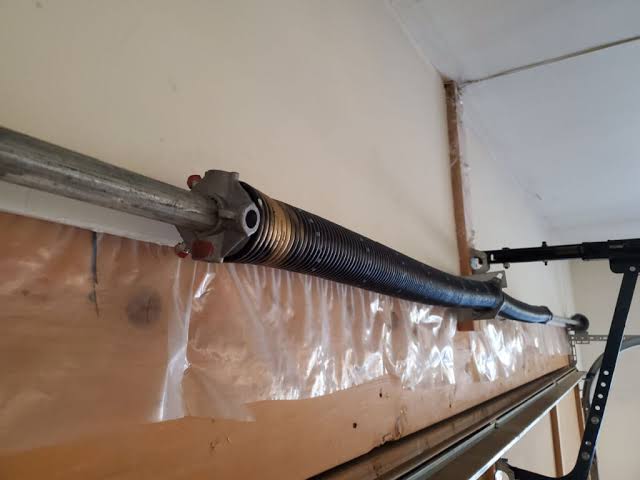
Torsion springs are generally more durable and are found in most modern homes. High-cycle torsion springs can be rated for 25,000 or even 50,000 cycles, potentially lasting 15+ years with proper care. Extension springs, common in older homes or lighter doors, tend to wear out faster and are more prone to sudden failure.
5 Clear Signs Your Garage Door Springs Need Replacement
You do not need to wait for a loud bang to know your springs are failing. Regular inspection can help you predict how often do garage door springs need to be replaced based on their current condition. Look for these five critical warning signs:
1. Visible Gaps in Torsion Springs
If you have torsion springs, look closely at the coils. When new, the coils are tightly wound together. As they wear, a gap begins to form. If you see a noticeable separation between the coils—especially if the gap is larger than a quarter-inch—it is a strong indicator that the metal has stretched beyond its safe limit.
2. Loud Noises During Operation
A healthy garage door operates relatively quietly. If you hear loud bangs, pops, or grinding noises, it could mean a spring is snapping or rubbing against other components. A sudden loud boom usually indicates a complete break, but gradual squeaking suggests friction and wear.
3. The Door Feels Heavy
Try lifting the door manually (with the opener disconnected). It should feel relatively light and stay in place when lifted halfway. If the door feels excessively heavy or slams down quickly, the springs are no longer providing adequate counterbalance. This puts immense strain on your garage door opener, which can lead to motor failure.
4. Uneven Movement
Watch your door as it opens. Does it move smoothly, or does it jerk to one side? If one spring is weaker than the other (in dual-spring systems), the door will tilt. This misalignment can damage the tracks and rollers, leading to more expensive repairs down the line.
5. Rust and Corrosion
Moisture is the enemy of steel springs. If you live in a humid climate or near the coast, inspect your springs for rust. Surface rust can be cleaned, but deep pitting weakens the metal structure, making it prone to sudden fracture.
Factors That Influence Spring Longevity
While the 10,000-cycle rule is a good baseline, several external factors can accelerate wear. Understanding these can help you extend the life of your springs.
Climate and Temperature
Extreme temperatures affect metal elasticity. In very cold climates, steel becomes brittle and more likely to snap. In hot, humid environments, corrosion accelerates. According to industry experts, garage doors in regions with significant temperature fluctuations require more frequent inspections.
Frequency of Use
As mentioned earlier, usage is the primary driver of wear. A family with multiple cars and teenagers coming and going will exhaust spring cycles much faster than a couple who works from home. If you use your garage as a primary entry point, consider upgrading to high-cycle springs during your next replacement.
Lack of Lubrication
Friction generates heat and wear. Without regular lubrication, the coils rub against each other, causing micro-fractures in the metal. A simple maintenance routine can add 1–2 years to the life of your springs.
Expert Tip: “Never use WD-40 on garage door springs. It is a solvent, not a lubricant, and will attract dust and grit. Instead, use a silicone-based lubricant or a dedicated garage door spray.”
Step-by-Step: How to Maintain Your Garage Door Springs
Proper maintenance can delay the need for replacement. Follow these steps every six months to ensure optimal performance.
Safety Warning: Garage door springs are under extreme tension. Never attempt to adjust, wind, or replace torsion springs yourself. One slip can cause severe injury or death. Leave adjustments to certified professionals.
Maintenance Checklist:
- Visual Inspection: Look for gaps, rust, or broken cables. Check if the springs are centered and not rubbing against the bracket.
- Clean the Springs: Wipe down the springs with a clean, dry cloth to remove dirt and old grease buildup.
- Apply Lubricant: Use a silicone-based spray or lithium grease. Apply a thin coat to the entire length of the spring. Rotate the spring slightly (if accessible safely) to ensure coverage between coils.
- Check Hardware: Tighten any loose bolts on the brackets holding the springs. Vibrations from daily use can loosen these over time.
- Test Balance: Disconnect the opener by pulling the release cord. Lift the door halfway. It should stay in place. If it falls or rises, the balance is off, and you need a professional adjustment.
For more detailed information on garage door mechanics and safety standards, you can refer to the general overview on Wikipedia – Garage Door.
FAQ Section
Q1: Can I replace just one garage door spring?
A: It is highly recommended to replace both springs, even if only one is broken. Since both springs were installed at the same time and have undergone the same number of cycles, the second spring is likely near failure as well. Replacing both ensures balanced operation and saves you from another service call in the near future.
Q2: How much does it cost to replace garage door springs?
A: The cost varies based on location, spring type, and door weight. On average, homeowners can expect to pay between $150 and $350 for professional replacement. High-cycle springs or heavy-duty doors may cost more. While DIY kits are cheaper, the risk of injury makes professional installation the safer choice.
Q3: Is it dangerous to use a garage door with a broken spring?
A: Yes, it is extremely dangerous. A broken spring removes the counterbalance mechanism, meaning the full weight of the door (often 200–400 lbs) rests on the opener and tracks. This can cause the door to crash down, damaging property or injuring people. Additionally, forcing the opener to lift the unbalanced door can burn out the motor.
Q4: Do garage door springs come with a warranty?
A: Most professional installers offer a warranty on parts and labor. Standard springs typically come with a 1–3 year warranty, while high-cycle springs may have warranties up to 5–7 years. Always ask for warranty details before hiring a technician.
Q5: Can weather stripping affect spring life?
A: Indirectly, yes. If weather stripping is damaged or missing, moisture and debris can enter the garage environment more easily, accelerating rust and corrosion on the springs. Keeping your garage sealed helps maintain a stable environment for your hardware.
Conclusion
Knowing how often do garage door springs need to be replaced is not just about counting years; it is about understanding usage patterns, recognizing warning signs, and performing regular maintenance. While the average lifespan is 7–9 years, proactive care can extend this, while neglect can shorten it dramatically.
Remember, garage door springs are high-tension components that pose significant safety risks. When in doubt, always consult a licensed professional. By staying vigilant and addressing issues early, you can ensure your garage door remains a reliable and safe entry point for your home.
Did you find this guide helpful? Share it with your neighbors or on social media to help others avoid unexpected garage door failures!
Leave a Reply