Coming home after a long day only to find your garage door stuck is incredibly frustrating. If you are wondering how to open garage door when spring is broken, you are not alone. This guide will walk you through the safest steps to get your door open without causing further damage or injury.
How To Open Garage Door When Spring Is Broken: Immediate Safety Steps
Before you touch anything, you must understand the risks. Garage door springs are under extreme tension. When they snap, the door loses its counterbalance and becomes incredibly heavy.
According to the Door & Access Systems Manufacturers Association (DASMA), a broken spring is the most common garage door issue, affecting millions of US homes every year.
- Clear the area: Keep children and pets at least 10 feet away from the door.
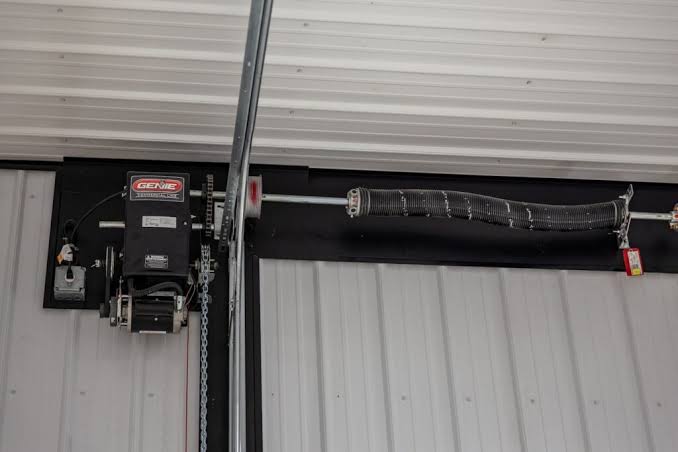
- Identify the spring type: Look above the door for a metal shaft (torsion spring) or springs on the sides (extension spring).
- Do not force the opener: Pressing the remote multiple times can burn out the motor.
There are two main types of springs used in American homes:
- Torsion Springs: Located on a metal shaft above the closed door. They twist to lift the door and are the most common in modern homes.
- Extension Springs: Located parallel to the horizontal tracks on both sides. They stretch to provide lifting force and are common in older homes.
How Do You Manually Release the Garage Door Opener?
To lift the door, you first need to disconnect it from the automatic opener carriage. This prevents the motor from resisting your manual effort.
- Locate the emergency release cord: Look for a bright red cord hanging from the trolley carriage on the metal track.
- Pull the cord firmly: Grasp the red handle and pull it straight down toward the floor at a 45-degree angle.
- Listen for the click: You should hear a distinct clicking sound, which means the trolley has disconnected from the carriage.
- Test the connection: Gently try to lift the door an inch. If it moves independently of the motor chain, you have successfully disengaged it.
Real-Life Case Study: In 2023, a homeowner in Austin, Texas, attempted to force his garage door open using the automatic opener after a spring snapped. The motor strained against the 200-pound dead weight of the door, stripping the plastic gears inside the opener. What could have been a simple $200 spring replacement turned into a $600 repair bill for a completely destroyed motor. Always disengage the opener first!
How to Manually Lift a Heavy Garage Door with a Broken Spring?
Now comes the physical part. Without a functioning spring, a standard double-car garage door can weigh anywhere between 150 to 300 pounds. You are lifting the dead weight of the door.
Step-by-Step Lifting Guide:
- Position yourself correctly: Stand in the exact center of the door, close to the bottom handle.
- Use proper lifting form: Bend your knees, keep your back straight, and grip the handle firmly with both hands.
- Lift smoothly: Push upward with your legs, not your back. Lift the door in small, manageable increments.
- Secure the door halfway: Once the door is about three feet off the ground, pause.
- Lock it in place: Take two locking pliers or heavy-duty C-clamps. Clamp them securely onto the vertical metal tracks just directly below the bottom rollers on both sides.
- Finish lifting: Remove the clamps, lift the door to the fully open position, and immediately re-clamp the tracks to prevent a catastrophic slam.
Manual Lifting vs. Professional Repair: Pros and Cons
When your spring breaks, you essentially have two choices: battle the dead weight of the door manually every single day, or pay a professional to fix it. Many homeowners try the manual route to save money, but they quickly realize the physical toll it takes.
Let us break down the reality of both options.
| Method | Pros | Cons |
|---|---|---|
| Manual Lifting | Immediate access to your garage; completely free. | High risk of severe injury; extremely heavy; wears out the opener carriage. |
| Professional Repair | Safe execution; fixes the root problem; includes warranty. | Costs between $150–$300; requires scheduling an appointment. |
Expert Insight: “Trying to operate a garage door with a broken spring manually for more than a few days can bend the tracks and ruin the rollers,” warns certified technician Mark Davidson. “It is a temporary fix, not a permanent solution.”
Why Do Garage Door Springs Break and How to Prevent It?
Understanding why your spring broke can help you prepare for the future. A standard torsion spring is rated for about 10,000 cycles. One cycle equals one full open and close.
If you use your garage door four times a day, a 10,000-cycle spring will last roughly seven years. Factors that accelerate wear and tear include:
- Lack of lubrication: Friction destroys metal over time.
- Rust and corrosion: Especially common in humid or coastal US states.
- Poor maintenance: Ignoring strange noises or slow movements.
Pro Maintenance Tips to Extend Spring Life:
- Lubricate regularly: Every six months, apply a dedicated garage door silicone spray or white lithium grease to the springs. Never use standard WD-40, as it is a degreaser, not a lubricant.
- Check the cables: Look for fraying on the lifting cables. A frayed cable puts uneven stress on the spring.
- Balance test: Disconnect the opener and lift the door halfway. If it stays in place, your springs are balanced. If it falls or rises, your springs need adjustment.
To learn more about the mechanical components and structural design of these systems, you can visit the comprehensive Wikipedia page on Garage doors.
Frequently Asked Questions About Broken Garage Door Springs
1. Can I open my garage door with a broken spring manually? Yes, you can open it manually by pulling the red emergency release cord and lifting the door by hand. However, because the door loses its counterbalance, it will be extremely heavy and dangerous to lift without assistance.
2. How much does it cost to fix a broken garage door spring? On average, professional garage door spring replacement in the US costs between $150 and $350. The price depends on the type of spring (torsion vs. extension), the size of your door, and local labor rates.
3. Is it dangerous to lift a garage door with a broken spring? Yes, it is highly dangerous. A standard double-car door can weigh up to 300 pounds without the spring’s support. If the door slips from your hands, it can cause severe crush injuries or even be fatal. Always use locking clamps to secure the door.
4. How long do garage door springs usually last? Most standard torsion springs last between 7 to 10 years, depending on usage. If you use your door frequently, you can purchase high-cycle springs rated for 20,000 to 100,000 cycles, which can last up to 20 years.
5. Should I replace both springs if only one is broken? Absolutely. If you have a dual-spring system and one breaks, the other has endured the exact same amount of wear. Replacing only one will lead to the second spring breaking shortly after, costing you more in labor fees.
6. Can I replace a broken garage door spring myself? While it is technically possible, it is highly discouraged for beginners. Torsion springs require specialized winding bars and precise measurements. A slip of the winding bar can release thousands of pounds of torque instantly, which can cause severe lacerations or broken bones. For the vast majority of homeowners, hiring a certified professional is the only safe choice.
Conclusion
Dealing with a snapped spring is stressful, but knowing how to open garage door when spring is broken safely gives you peace of mind. Remember to always prioritize your physical safety, use the emergency release cord correctly, and secure the door with clamps.
While manual lifting gets you into your garage temporarily, calling a licensed professional for a spring replacement is the only way to restore your door’s safety and functionality.
Did you find this guide helpful? Please share this article on your social media to help your friends and family handle their garage door emergencies safely!
Leave a Reply