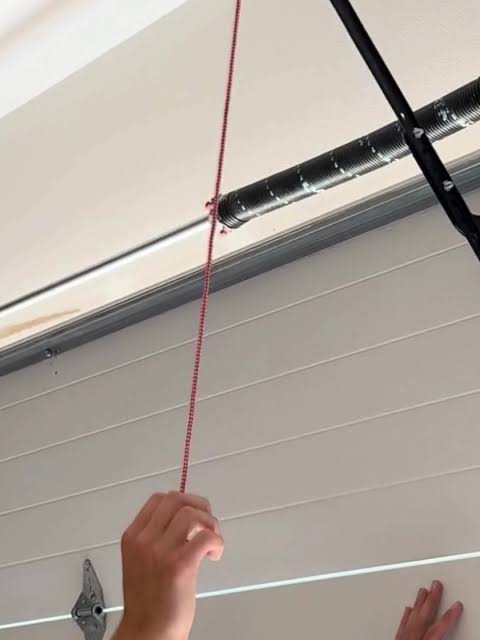
Have you ever pulled the red emergency release cord on your garage door and now find yourself stuck, unable to operate it with your remote or wall button? You’re not alone—this is one of the most common homeowner dilemmas, especially after a power outage or accidental tug. Knowing how to reconnect garage door after pulling red cord can save you time, money, and frustration. In this comprehensive guide, we’ll walk you through the exact steps to get your garage door back online safely and efficiently.
Why Does Pulling the Red Cord Disconnect Your Garage Door?
Before diving into the reconnection process, it’s essential to understand why pulling that red cord causes disconnection in the first place. The red cord, officially known as the emergency release mechanism, serves a critical safety function. When pulled, it physically disconnects the garage door from the motorized opener carriage, allowing you to manually open and close the door during emergencies such as power outages or mechanical failures.
According to the International Door Association (IDA), over 60% of garage door service calls involve issues related to improper use or misunderstanding of the emergency release system. This statistic highlights how crucial it is for homeowners to understand both the purpose and proper handling of this feature.
The mechanism works by releasing a trolley that connects your door to the opener’s drive system. Once disengaged, the door operates independently from the motor, which is why your remote control stops working. While this feature is designed for safety, many people accidentally pull it without realizing the consequences, leading to confusion about how to restore normal operation.
For more detailed information about garage door safety standards, you can visit Wikipedia’s page on garage doors.
Step-by-Step Guide: How To Reconnect Garage Door After Pulling Red Cord
Reconnecting your garage door is simpler than most people think. Follow these precise steps to restore functionality:
Step 1: Ensure the Door Is Fully Closed
Before attempting any reconnection, make sure your garage door is completely closed. This is crucial because:
- It prevents potential injury from a falling door
- It ensures proper alignment of the trolley mechanism
- It reduces strain on the opener motor during reconnection
If the door is partially open, carefully lower it by hand until it rests securely on the ground.
Step 2: Locate the Emergency Release Handle
Find the red cord hanging from the trolley assembly on the rail above your garage door. The handle is typically bright red for visibility and may have a tag reading “Emergency Release” or similar wording.
Step 3: Position Yourself Safely
Stand on a sturdy ladder or step stool if needed, ensuring you have clear access to the trolley mechanism. Never attempt this while standing on an unstable surface or reaching awkwardly.
Step 4: Pull the Release Handle Toward the Motor
Here’s the key action: pull the red handle toward the garage door opener motor unit (not away from it). You should hear a distinct click sound when the trolley re-engages with the opener carriage.
This clicking sound confirms that the mechanical connection has been restored. If you don’t hear it, try again with a firmer pull toward the motor.
Step 5: Test the Connection
Once you’ve pulled the handle toward the motor:
- Use your wall button to operate the door
- Listen for the motor engaging normally
- Watch the door move smoothly up and down
If the door responds to the wall button, you’ve successfully reconnected it. Try using your remote control as well to ensure full functionality.
Step 6: Verify Proper Operation
Run the door through two complete cycles (open and close) to confirm everything works correctly. Pay attention to:
- Smooth movement without jerking
- No unusual noises
- Proper stopping at fully open and closed positions
Common Mistakes People Make When Reconnecting
Understanding what not to do is just as important as knowing the correct procedure. Here are frequent errors homeowners make:
| Mistake | Consequence | Solution |
|---|---|---|
| Pulling cord away from motor | Keeps door disconnected | Always pull toward motor unit |
| Attempting reconnection with door open | Misalignment and damage | Close door completely first |
| Forcing the mechanism | Broken components | Use gentle, firm pressure only |
| Not testing after reconnection | Undetected issues | Always run test cycles |
Troubleshooting: What If It Still Doesn’t Work?
Sometimes, even after following the steps correctly, your garage door may not reconnect properly. Here’s what to check:
Check the Trolley Position: Inspect whether the trolley has properly seated into the carriage. You should see it locked in place with no visible gap.
Inspect for Obstructions: Look for debris, rust, or damaged parts along the rail that might prevent proper engagement. Clean the rail with a dry cloth if necessary.
Examine the Release Mechanism: The red cord assembly itself might be damaged or worn. If the plastic components appear cracked or broken, replacement may be necessary.
Test the Opener Motor: Ensure your garage door opener is receiving power and functioning correctly. Check the circuit breaker and try operating it without the door connected first.
If problems persist after checking these items, it’s advisable to contact a professional garage door technician. According to industry experts, attempting complex repairs without proper knowledge can void warranties and create safety hazards.
Preventing Accidental Disconnection in the Future
Now that you know how to reconnect garage door after pulling red cord, let’s discuss prevention strategies:
Install a Protective Cover: Many hardware stores sell plastic guards that fit over the emergency release handle, preventing accidental pulls while still allowing access during genuine emergencies.
Educate Household Members: Make sure everyone in your home understands the purpose of the red cord and knows not to pull it unless absolutely necessary.
Regular Maintenance Checks: Include the emergency release mechanism in your semi-annual garage door maintenance routine. Lubricate moving parts and inspect for wear.
Consider Smart Openers: Modern garage door openers often include features that alert you if the emergency release has been activated, helping you address the issue promptly.
FAQ Section
Q: Can pulling the red cord damage my garage door opener?
A: No, pulling the emergency release cord is designed to be safe and won’t damage your opener when used correctly. The mechanism simply disengages the door from the motor. However, repeatedly pulling it unnecessarily or forcing the reconnection can cause wear over time.
Q: How do I know if my garage door is properly reconnected?
A: You’ll hear a distinct click when pulling the handle toward the motor, and the door should respond immediately to your wall button or remote. Additionally, visually confirm that the trolley is locked into the carriage assembly with no visible separation.
Q: Is it safe to reconnect the garage door myself?
A: Yes, reconnecting your garage door after pulling the red cord is generally safe for homeowners to perform. The process doesn’t involve electrical work or complex mechanical adjustments. However, always ensure the door is fully closed before attempting reconnection, and never stand directly under the door during the process.
Q: What should I do if the red cord keeps coming loose?
A: If the emergency release mechanism frequently disengages on its own, there may be an underlying issue with the trolley assembly or rail alignment. This could indicate worn components or improper installation. In such cases, consult a professional technician to diagnose and repair the problem rather than repeatedly reconnecting it yourself.
Q: Can I disable the emergency release feature permanently?
A: While some homeowners consider disabling the emergency release, this is strongly discouraged and may violate local building codes and safety regulations. The emergency release is a critical safety feature required by law in most jurisdictions. Instead of disabling it, install a protective cover to prevent accidental activation.
Q: How often should I test my garage door’s emergency release?
A: Industry professionals recommend testing the emergency release mechanism every six months as part of regular garage door maintenance. This ensures it functions properly when needed and helps you practice the reconnection process so you’re prepared if an actual emergency occurs.
Conclusion
Learning how to reconnect garage door after pulling red cord is an essential skill every homeowner should master. By following the simple steps outlined in this guide—closing the door completely, pulling the release handle toward the motor, and testing the connection—you can quickly restore your garage door’s functionality without professional help.
Remember, the emergency release cord exists for your safety, but understanding how it works prevents unnecessary panic and inconvenience. Share this guide with family members and neighbors who might benefit from this knowledge. Together, we can make home maintenance less stressful and more empowering!
Did you find this guide helpful? Share it on social media to help others solve their garage door dilemmas!
Leave a Reply