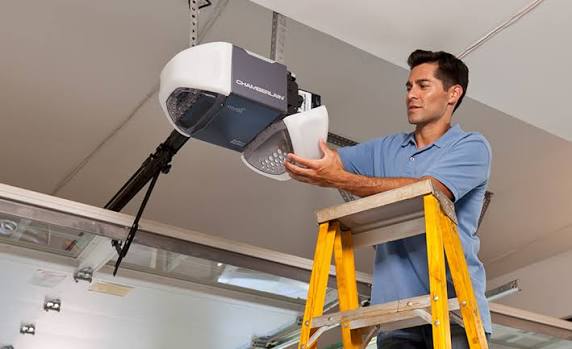
Have you ever stood in your driveway, pressing the remote button repeatedly, only to watch your garage door remain stubbornly closed? It is a frustrating experience that disrupts your daily routine and leaves you wondering about the reliability of your home’s most used entry point. If you are asking yourself, “Why does my garage door opener sometimes not work,” you are not alone. This intermittent issue is one of the most common complaints among homeowners, but the good news is that most causes are simple to diagnose and fix without calling a professional.
Understanding the Intermittent Nature of Garage Door Failures
Before diving into specific fixes, it is important to understand that “sometimes” not working is a key clue. Unlike a complete system failure where the door never moves, intermittent issues usually point to specific components that are on the verge of failure or are being interfered with by external factors.
According to industry data, nearly 60% of garage door service calls are related to minor issues that homeowners could resolve themselves with basic troubleshooting. By understanding the root cause, you can save time, money, and the inconvenience of being locked out of your own garage.
1. Are the Remote Control Batteries Dying?
The most frequent culprit behind an unresponsive garage door is surprisingly simple: weak or dead batteries in your remote control.
When batteries begin to lose charge, they may still have enough power to send a signal occasionally, leading to that “sometimes works, sometimes doesn’t” behavior. This is especially common if you live in an area with temperature fluctuations, as cold weather can significantly reduce battery efficiency.
How to Fix It:
- Replace the batteries: Use fresh, high-quality alkaline batteries. Avoid mixing old and new batteries.
- Check the contacts: Ensure the battery terminals inside the remote are clean and free of corrosion.
- Test the range: Stand closer to the garage door. If it works up close but not from your car, it is likely a battery or signal interference issue.
2. Is Something Blocking the Safety Sensors?
Modern garage doors are equipped with safety sensors (also known as photo-eyes) located near the bottom of the door tracks. These sensors emit an invisible beam; if the beam is broken, the door will refuse to close to prevent injury or damage.
If your door opens but refuses to close, or if it reverses immediately after touching the floor, the sensors are likely the issue. Dirt, spider webs, or even direct sunlight hitting the sensor lens can interrupt the beam intermittently.
Quick Diagnostic Steps:
- Look for the LED lights: Most sensors have a small LED light. One should be solid green (power), and the other should be solid amber or red (alignment). If either is blinking or off, there is a problem.
- Clean the lenses: Wipe them gently with a soft, dry cloth.
- Check alignment: Ensure both sensors are facing each other directly. Even a slight misalignment can cause intermittent failures.
3. Could Signal Interference Be the Problem?
Garage door openers operate on radio frequencies, typically 315 MHz or 390 MHz. These frequencies can sometimes clash with other devices in your neighborhood or home.
Common sources of interference include:
- LED light bulbs (especially non-dimmable ones used in garage fixtures)
- Nearby radio towers or airports
- Other wireless devices operating on similar frequencies
A study by the Consumer Product Safety Commission highlights that improper installation of aftermarket LED bulbs in garage door opener units can cause significant signal disruption. If you recently changed the light bulb in your garage door motor unit, try switching back to the original incandescent bulb to see if the problem resolves.
4. Are the Track and Rollers Obstructed?
Physical obstructions in the track can cause the door to jam or move unevenly. Over time, dirt, debris, and even small stones can find their way into the tracks. Additionally, rollers can become worn out or misaligned, causing the door to bind intermittently.
Maintenance Checklist:
- Inspect the tracks: Look for dents, bends, or debris. Clean them with a damp cloth.
- Lubricate moving parts: Use a silicone-based lubricant or white lithium grease on the rollers, hinges, and tracks. Avoid WD-40, as it attracts dust and can gum up the mechanism over time.
- Check roller condition: If rollers are cracked or chipped, replace them immediately.
5. Is the Lock Feature Accidentally Engaged?
Many garage door openers have a “lock” or “vacation mode” feature that disables the remote control while still allowing operation via the wall switch. This is designed for security when you are away from home for extended periods.
If your remote stops working suddenly but the wall switch still operates the door, check your opener’s manual to see if this feature was accidentally activated. On many models, holding down the lock button for a few seconds will toggle this mode on or off.
6. Are the Springs Worn Out or Broken?
Garage door springs bear the weight of the door. If a spring is beginning to fail, the opener may struggle to lift the door, causing it to stop midway or reverse. You might hear a loud bang if a spring breaks completely.
Warning: Spring replacement is dangerous and should never be attempted as a DIY project. The tension in these springs is extremely high and can cause serious injury. If you suspect spring issues, contact a licensed garage door technician immediately.
7. Is the Opener Unit Itself Failing?
Like any mechanical device, garage door openers have a lifespan. Most residential units last between 10 to 15 years. If your opener is older, internal components such as capacitors or gears may be wearing out, leading to inconsistent performance.
Signs that your opener needs replacement include:
- Unusual grinding or screeching noises
- The motor runs but the door does not move
- Frequent need for repairs
For more detailed information on garage door opener mechanics and safety standards, you can refer to this Wikipedia article on garage door openers.
Comparison: DIY Fixes vs. Professional Help
| Issue | DIY Friendly? | Estimated Cost | Time Required |
|---|---|---|---|
| Dead Remote Batteries | ✅ Yes | $5–$10 | 5 minutes |
| Dirty/Misaligned Sensors | ✅ Yes | $0 | 10 minutes |
| Track Cleaning/Lubrication | ✅ Yes | $10–$15 | 30 minutes |
| Signal Interference (LEDs) | ✅ Yes | $5–$10 | 15 minutes |
| Broken Springs | ❌ No | $150–$350 | Professional |
| Motor/Gear Failure | ❌ No | $300–$600+ | Professional |
FAQ Section
Q: Why does my garage door opener work with the wall switch but not the remote?
A: This usually indicates an issue with the remote itself, such as dead batteries, a need for reprogramming, or signal interference. It rarely points to a problem with the main opener unit.
Q: How often should I lubricate my garage door?
A: Experts recommend lubricating the moving parts of your garage door twice a year, ideally in the spring and fall. This prevents wear and tear and ensures smooth operation.
Q: Can rain or humidity affect my garage door opener?
A: Yes. High humidity can cause electrical shorts in older units, and rain can interfere with safety sensors if they are not properly sealed. Ensure all outdoor components are weather-resistant.
Q: What should I do if my garage door reverses before hitting the floor?
A: First, check the safety sensors for alignment and cleanliness. If they are fine, adjust the “down limit” setting on your opener unit according to the manufacturer’s instructions. If the problem persists, the force settings may need adjustment.
Q: Is it safe to use my garage door if it makes strange noises?
A: No. Unusual noises like grinding, squeaking, or popping can indicate serious mechanical issues. Stop using the door and inspect it visually. If you cannot identify the source, call a professional to prevent further damage or injury.
Conclusion
Dealing with a garage door that sometimes does not work can be incredibly annoying, but it is rarely a catastrophic failure. In most cases, the issue stems from simple causes like dead batteries, dirty sensors, or minor obstructions in the tracks. By following the troubleshooting steps outlined above, you can often resolve the problem quickly and avoid costly service calls.
Remember, regular maintenance is the key to longevity. A few minutes of cleaning and lubrication twice a year can keep your garage door running smoothly for years. If you found this guide helpful, please share it with your friends and neighbors on social media. You never know who else might be standing in their driveway, frustrated with a stubborn garage door!
Leave a Reply